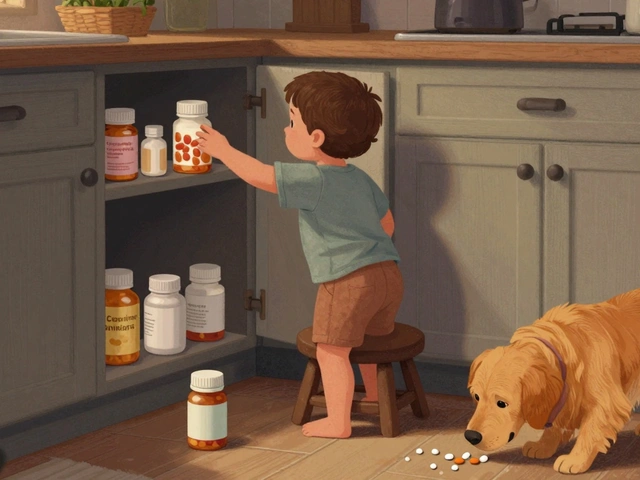
Safe Drug Disposal: How to Get Rid of Old Medications Without Risk
When you have leftover pills, expired prescriptions, or unused patches, safe drug disposal, the proper way to discard medications to prevent harm to people, pets, and the environment. Also known as medication disposal, it’s not just about cleaning out your medicine cabinet—it’s about stopping drugs from ending up in water supplies, landfills, or the hands of someone who shouldn’t have them. Many people still flush pills down the toilet or toss them in the trash, not realizing how dangerous that can be. The EPA and FDA both warn that improper disposal contributes to water contamination and increases the risk of accidental poisoning, especially in kids and pets.
One of the safest and easiest ways to handle old meds is through drug take-back programs, official collection events or drop-off locations run by pharmacies, law enforcement, or health agencies. These programs collect unused drugs and destroy them in controlled, environmentally safe ways. You can find a nearby drop-off site using the DEA’s website or by calling your local pharmacy—many chain pharmacies like CVS and Walgreens have permanent collection bins. If no take-back option is available, the next best step is to mix pills with something unappetizing like coffee grounds or cat litter, seal them in a container, and throw them in the trash. Never crush pills unless instructed, and always remove personal info from prescription labels.
Not all medications are the same when it comes to disposal. Some, like certain opioids or controlled substances, come with special disposal instructions because of their high abuse potential. The FDA maintains a Flush List of drugs that should be flushed immediately if a take-back program isn’t accessible—this is rare, but it exists for good reason. For everything else, trash is the default if you can’t get to a collection point. And don’t forget about patches, liquids, and inhalers—each has its own rules. Patches should be folded in half with the sticky sides together before disposal. Liquids can be poured into a sealable container with absorbent material. Inhalers should never be punctured or thrown into a fire.
Why does this matter? Because every year, thousands of accidental poisonings happen because kids find old meds in unlocked cabinets. Every year, fish and wildlife are exposed to hormones and antibiotics from flushed drugs. And every year, people misuse leftover painkillers because they’re easy to grab. pharmaceutical waste, unused or expired medications that enter the environment through improper disposal isn’t just a nuisance—it’s a public health issue. That’s why places like Canada and parts of Europe have mandatory take-back laws. The U.S. is catching up, but until then, the responsibility falls on you.
Think of safe drug disposal like recycling: it’s not optional if you care about your community. It’s simple, it’s free in most cases, and it stops problems before they start. You don’t need to be a pharmacist or a scientist to do it right—just follow the basic steps. Check your medicine cabinet twice a year. Get rid of anything you haven’t used in six months. Ask your pharmacist if you’re unsure. And if you ever find yourself wondering, "Should I keep this?"—the answer is probably no.
Below, you’ll find real-world guides on how to handle different types of medications, what to do when take-back programs aren’t nearby, and how to protect your family from accidental exposure. These aren’t theoretical tips—they’re based on what works for people who’ve been there.
3
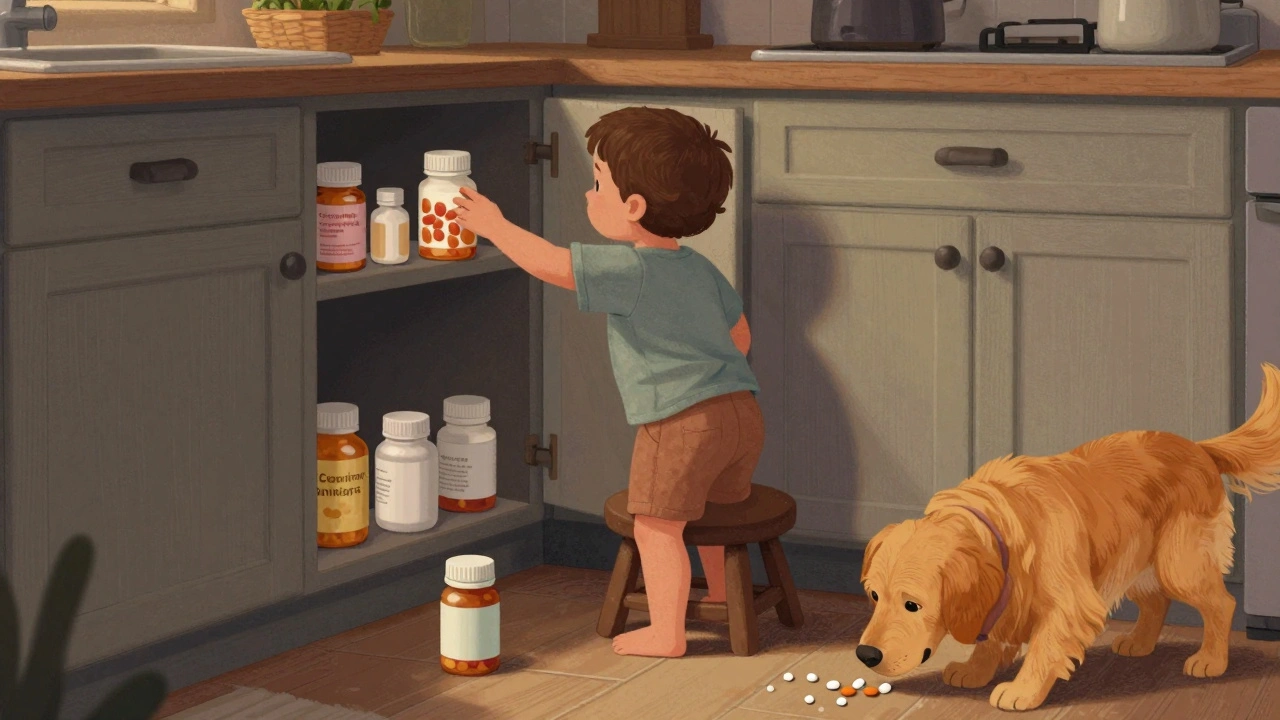
How to Keep Medications Safe from Children and Pets at Home
Learn how to safely store and dispose of medications to protect children and pets from accidental poisoning. Simple steps can prevent emergencies and save lives.
22
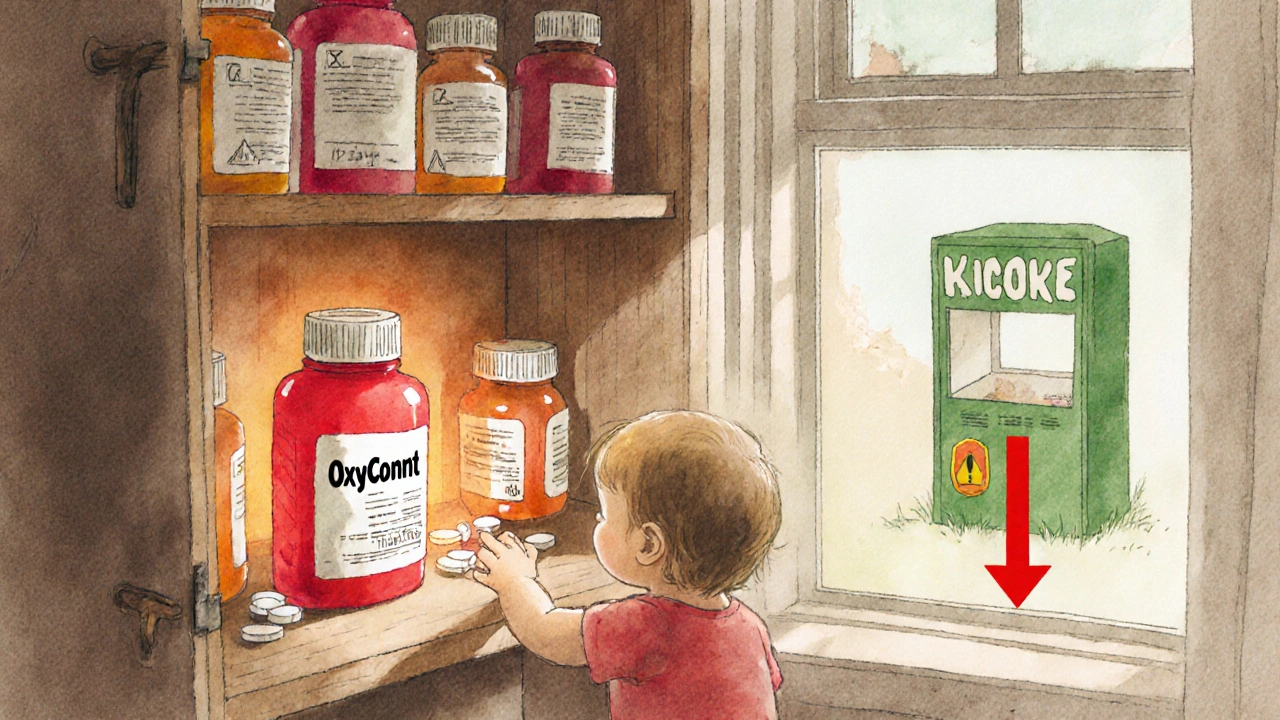
How to Safely Dispose of Expired Medications: FDA Take-Back Guidelines and Best Practices
Learn the FDA’s safe disposal guidelines for expired medications. Find out where to drop off pills, which drugs can be flushed, and how to dispose of them at home without risking health or the environment.