6
Questions to Ask About Your Prescription Label at the Pharmacy
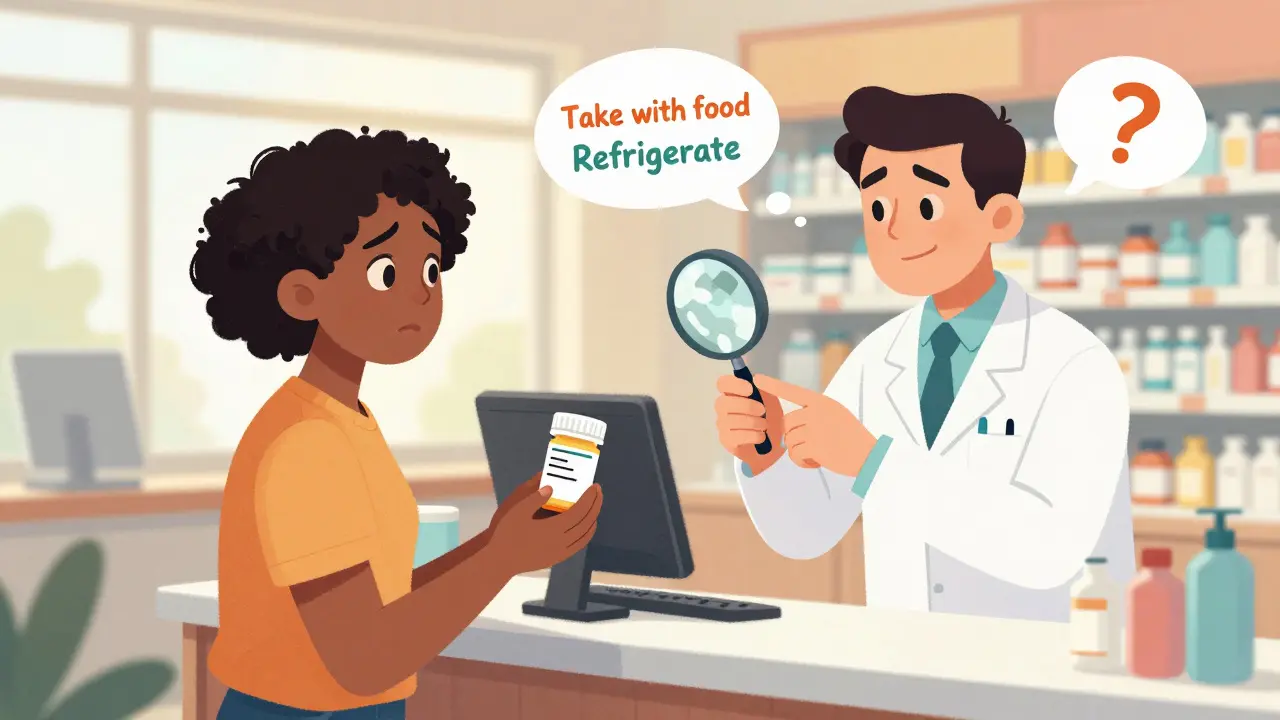
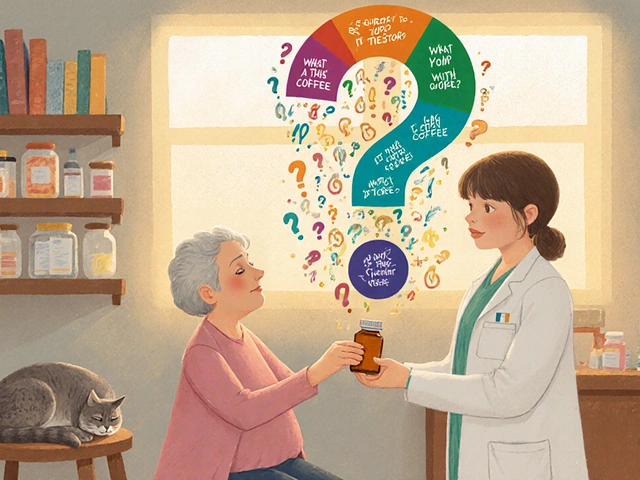
Every time you pick up a prescription, you’re holding a document that could mean the difference between healing and harm. Prescription labels aren’t just small pieces of paper with text - they’re your personal safety checklist. But most people glance at them, nod, and walk away. That’s risky. According to the FDA, over 1.3 million medication errors happen in the U.S. every year. Nearly a quarter of those come from misunderstandings on the label itself. If you’ve ever been confused about when to take your medicine, why it looks different from last time, or whether it needs to be kept in the fridge, you’re not alone. And you don’t have to guess anymore. Here’s what you need to ask before you leave the pharmacy.
Is this really my medicine?
The first thing to check: Does the name on the label match what your doctor told you? It sounds obvious, but brand names and generic names are often mixed up. For example, your doctor might say “Lipitor,” but the label says “atorvastatin.” That’s fine - it’s the same drug. But if you were told you’re getting hydrochlorothiazide and the label says “furosemide,” that’s a red flag. Ask the pharmacist: “Is this the exact medicine my doctor prescribed?” Some states, like Alabama, require generic names unless the doctor specifies otherwise. Others, like California, add language translations. Don’t assume it’s right. Verify.What’s the right dose and how often should I take it?
Dosage errors are the most common cause of serious medication mistakes. The Institute for Safe Medication Practices calls this the “5 Rights” - Right Patient, Right Medicine, Right Amount, Right Way, Right Time. You’re already checking the first two. Now confirm the rest. Look at the label: does it say “take 10 mg once daily” or “take 1 tablet by mouth every morning”? Sometimes it’s written as “q.d.” or “BID.” Those are Latin abbreviations - and they’re confusing. Ask: “Can you explain what ‘BID’ or ‘q6h’ means in plain English?” A 2023 study found that 37% of patients who asked for clarification avoided mistakes. If the label says “take with food,” ask whether that means right after eating or just during a meal. Some medications, like certain antibiotics, lose effectiveness if taken with dairy. A simple question can prevent a failed treatment.Does this look right?
Medications change shape, color, or size between refills - especially generics. If your last bottle had a small blue capsule and this one’s a large white tablet, that’s normal if it’s a different manufacturer. But if you’ve never seen this pill before, ask: “Is this the same medicine I got last time?” Pharmacists see this every day. They’ll pull up your history and show you the difference. One Reddit user shared that they took a new pill for three days because they didn’t question the change - until they started feeling dizzy. Turns out, the label had a typo in the strength. Always compare the pill to the last one. If you’re unsure, ask for a visual check.How should I store this?
Not all medicines belong in your bathroom cabinet. A 2022 survey found that 15% of prescription drugs need refrigeration. That includes insulin, some antibiotics, and certain hormone treatments. If the label says “refrigerate,” keep it between 36°F and 46°F. If it says “store at room temperature,” keep it between 68°F and 77°F. A 2023 Consumer Reports survey found a patient who left a blood pressure medication at room temperature for two weeks because the storage note was printed in tiny font on the back of the label. Ask: “Does this need to be kept cold?” If yes, ask if it’s safe to carry it in a purse or bag for hours. Some drugs can lose potency if exposed to heat or sunlight. A simple question could save your treatment.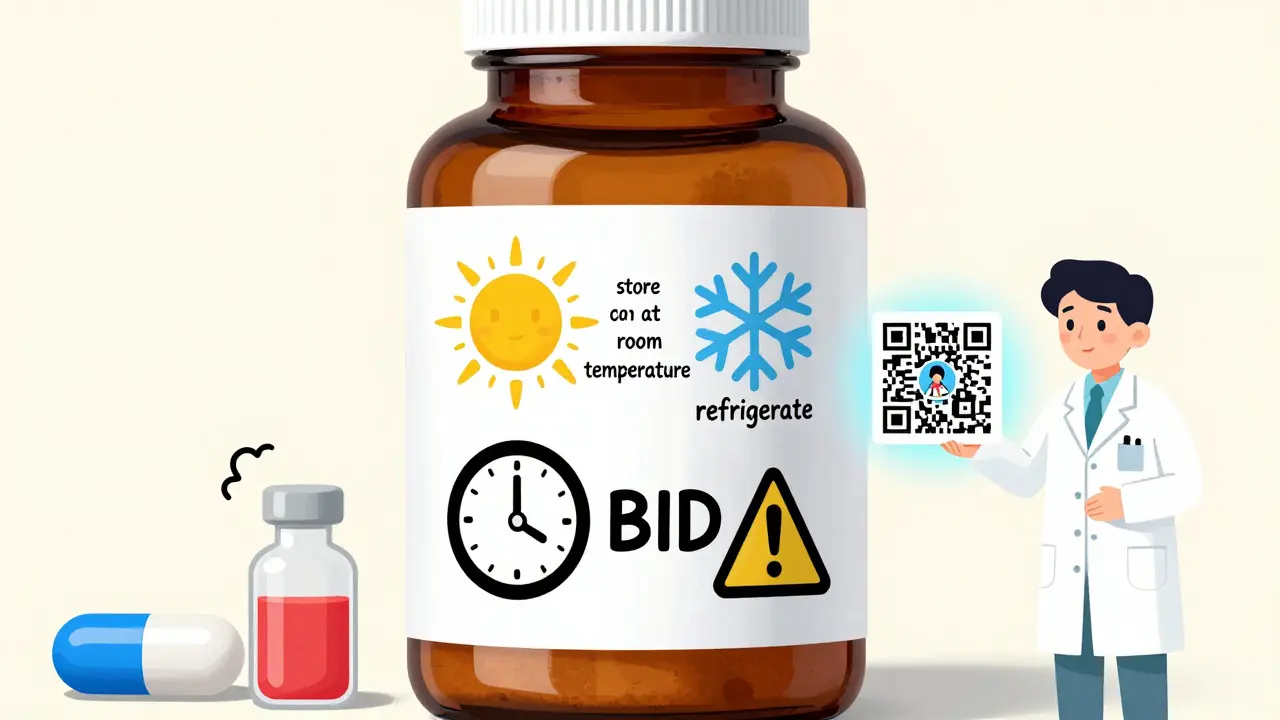
When does this expire?
Expiration dates aren’t just for show. The FDA requires that medications remain effective and safe until that date - if stored properly. But many people don’t check. A 2023 FDA report showed that 18% of expired medications still contained active ingredients, but others degraded into harmful compounds. Ask: “When does this expire?” and “Is it still good if I haven’t opened it?” Some drugs, like eye drops, become unsafe 28 days after opening, even if the bottle says “expires 2027.” Also, ask if the expiration date matches what’s on the box. Sometimes the pharmacy re-packages pills into blister packs, and the date on the box might be different. Always confirm.How many refills do I have left?
This is easy to miss. The label says “Refills: 3” - but you’ve already used two. You think you have one left. Then you show up next month and they say “no refills.” That’s frustrating. Ask: “How many refills remain?” and “Do I need a new prescription after these?” Some states require pharmacies to notify you when refills are running low. But not all do. If you’re on a long-term medication, like blood pressure or thyroid medicine, write down your refill count. Or ask if they can text or email you when you’re due for a refill. Independent pharmacies often offer this. Chain pharmacies? Less likely. Don’t wait until you’re out.What are the side effects I should watch for?
The label lists side effects - but it’s a wall of small text. Most people skip it. But you don’t have to. Ask: “What are the most common side effects I should expect?” and “Which ones mean I should call you or go to the ER?” For example, if you’re on an opioid, drowsiness is normal. But trouble breathing isn’t. If you’re on blood thinners, minor bruising is expected. Major bleeding isn’t. The FDA requires Medication Guides for 107 high-risk drugs - including opioids, blood thinners, and diabetes meds. Ask for one. If they don’t give it to you, ask why. You have a right to it. A 2023 study showed patients who asked about side effects were 47% less likely to have an adverse event.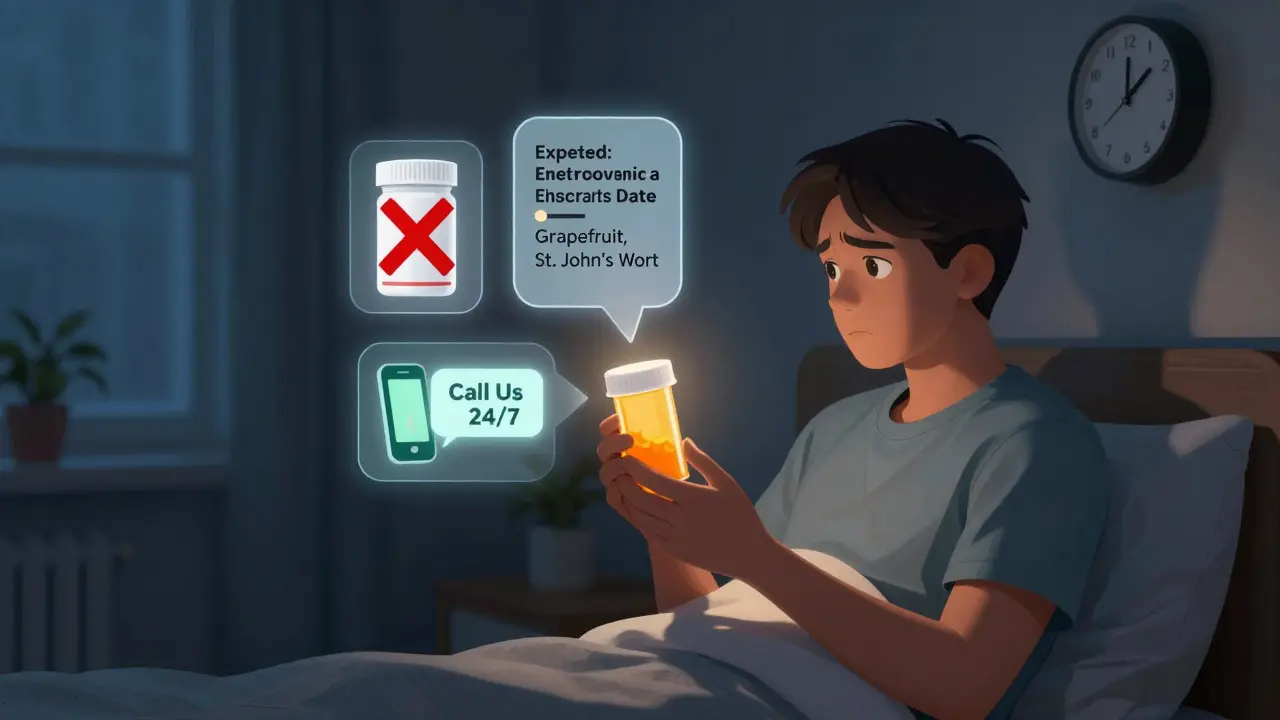
Can I take this with my other medicines or supplements?
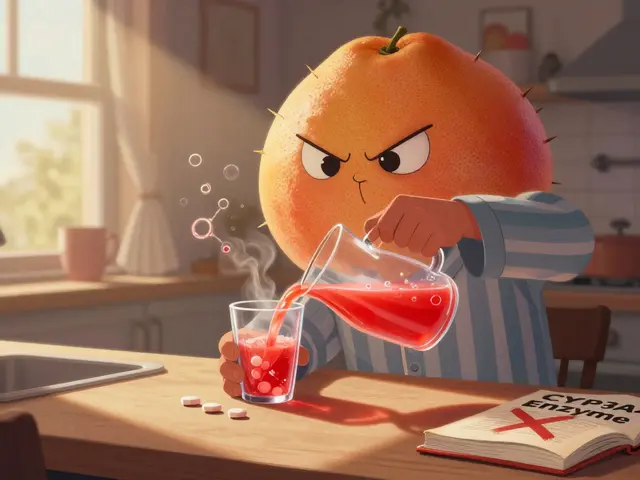
Drug interactions are sneaky. You might be on five medications. The pharmacist sees them all. You don’t. Ask: “Could this interact with my other pills, vitamins, or herbal supplements?” Even something as simple as grapefruit juice can interfere with cholesterol drugs. St. John’s Wort can make birth control fail. Calcium supplements can block thyroid medicine. If you’re taking anything - even over-the-counter painkillers or CBD oil - tell them. Bring a list. Pharmacies now use AI systems that flag interactions in real time. But they can’t read your mind. You have to speak up.Is there a simpler way to understand this?
If the label feels overwhelming, ask: “Can you explain this in simpler terms?” or “Do you have a large-print version?” or “Can you show me a video?” In 2023, 57% of U.S. pharmacies offered QR codes that link to short video instructions. Some even have augmented reality features - point your phone at the bottle and see how to take the pill. The FDA’s 2023 Draft Guidance says this should be standard by 2026. But right now, it’s still optional. If your pharmacy doesn’t offer it, ask them to. You’re not being difficult. You’re protecting your health. A 2022 study found that patients who used video instructions made 31% fewer mistakes.Can I get help if I don’t speak English well?
The Affordable Care Act requires pharmacies that receive federal funding to offer free translation services. That means, if you need help in Spanish, Mandarin, Arabic, or any of the 350 languages spoken in U.S. homes, you have the right to ask. Don’t be shy. Say: “I need help understanding this in my language.” Many pharmacies have phone interpreters or printed labels in multiple languages. Independent pharmacies are more likely to have bilingual staff. Chain pharmacies? Ask for the pharmacist - not the technician. Pharmacists are trained to handle this. If they say no, ask to speak to the manager. You’re not asking for a favor. You’re exercising your legal right.What if I still have questions after I leave?
Pharmacies don’t just hand out pills and vanish. They’re part of your care team. Ask: “What’s the best way to reach you if I have questions later?” Write down the phone number. Ask if they have a patient portal or text service. Some pharmacies offer free 24/7 medication counseling lines. Others have email support. If you forget something, or your condition changes, or you start feeling weird - call them. Don’t wait. The Institute for Safe Medication Practices says the #1 safety tip is to ask questions. And the best time to ask is before you walk out the door.What if the prescription label looks different from last time?
If the pill looks different - different color, shape, or size - it’s likely a different manufacturer. Generic drugs can look different but work the same. Still, always ask the pharmacist: “Is this the same medicine I got before?” They can check your history and confirm it’s correct. Never assume it’s safe just because it’s the same name.
Do I need to read every word on the label?
You don’t need to memorize every line, but you should read the key parts: your name, drug name, dosage, directions, expiration, and refill count. If anything is unclear, ask for clarification. The rest - like side effect lists - is useful if you’re concerned about symptoms. Don’t skip the storage instructions. They matter more than you think.
Can I ask for a larger print label?
Yes. Nearly 92% of U.S. pharmacies offer large-print labels at no extra cost. Just ask. This is especially important if you have vision issues or are over 65. Some pharmacies also offer labels in braille or audio formats. You have the right to access your medication information clearly.
Why do some labels have QR codes?
QR codes link to video instructions, safety tips, or interactive guides. They’re designed to help people who struggle with reading or understanding medical terms. A 2022 study showed they reduced medication errors by 31%. By 2026, the FDA plans to require QR codes on all high-risk medications. Even now, if your label has one, scan it. It might explain how to take the pill in under a minute.
What should I do if I realize I took the wrong dose?
Call your pharmacist immediately. Don’t wait. They can tell you if it’s dangerous, whether you need to go to the ER, or if you should just wait and monitor. Most pharmacies have a 24-hour hotline for exactly this kind of question. Keep the label handy - they’ll need to see it. Never assume it’s “not a big deal.” Even small mistakes can have big consequences.

Ferdinand Aton
March 7, 2026 AT 22:58William Minks
March 9, 2026 AT 03:47Jeff Mirisola
March 10, 2026 AT 21:32Susan Purney Mark
March 11, 2026 AT 01:19Ian Kiplagat
March 11, 2026 AT 21:01Amina Aminkhuslen
March 13, 2026 AT 06:06amber carrillo
March 14, 2026 AT 21:05Tim Hnatko
March 15, 2026 AT 08:20Aaron Pace
March 16, 2026 AT 02:22Joey Pearson
March 16, 2026 AT 05:08Roland Silber
March 17, 2026 AT 10:27Patrick Jackson
March 18, 2026 AT 07:22Adebayo Muhammad
March 20, 2026 AT 04:43