17
Understanding the Beers Criteria: A Guide to Safe Medications for Seniors
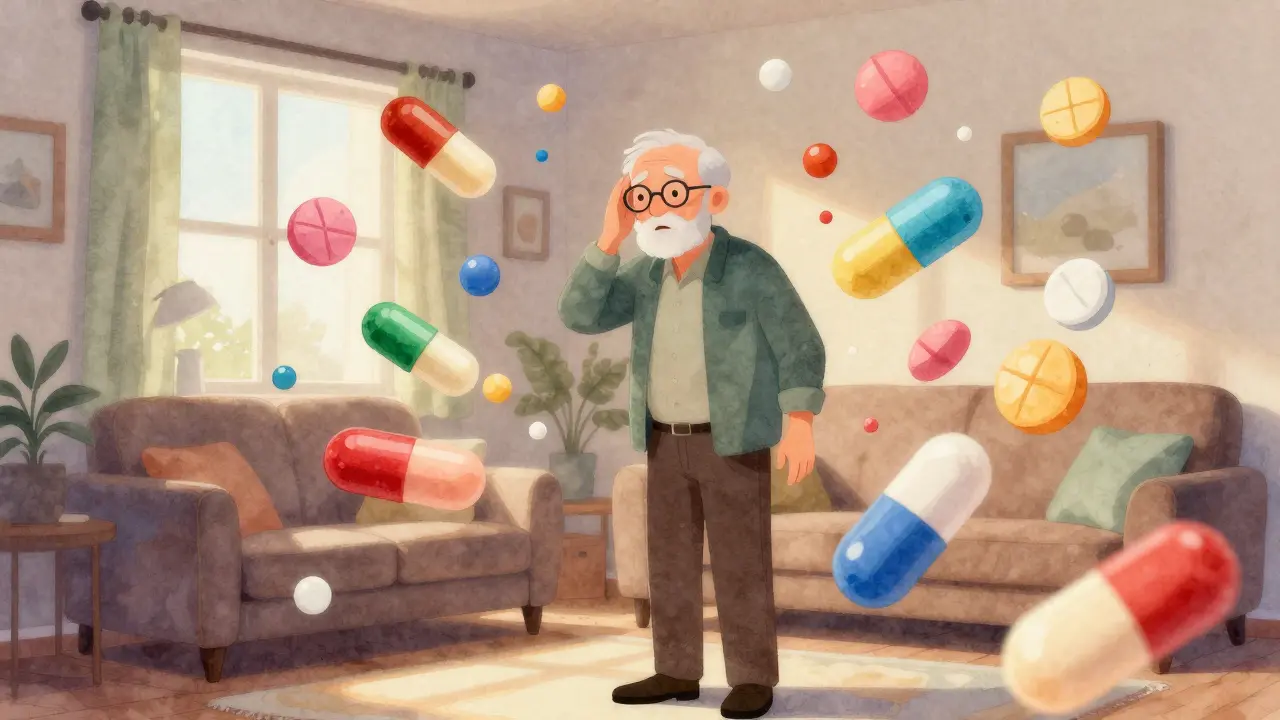
Imagine a 75-year-old man taking ten different pills a day. He’s dizzy, confused, and keeps falling. Is it just "old age," or is it the chemistry in his cabinet? For many seniors, the problem isn't just one drug, but a combination of medications that worked great for a 40-year-old but are dangerous for someone in their 80s. This is where the Beers Criteria is a clinical guideline system used to identify medications that carry risks that often outweigh their benefits for adults aged 65 and older. It’s essentially a safety red-flag system for doctors and pharmacists to prevent avoidable hospital trips and severe side effects.
If you're caring for an aging parent or managing your own health, you might notice that some medications-like a simple over-the-counter sleep aid-can actually cause more harm than good. The goal isn't to scare you away from necessary medicine, but to ensure that the treatment doesn't become a bigger problem than the illness itself.
What exactly are the Beers Criteria?
Originally started by Dr. Mark Beers in 1991, these guidelines have evolved from a simple list for nursing homes into a massive evidence-based framework. The American Geriatrics Society (AGS) now manages the list, updating it every few years. In the most recent 2023 update, experts pored over more than 7,000 research studies to determine which drugs are truly risky for older adults.
Why does this matter? Because the way our bodies process drugs changes as we age. Kidneys slow down, the liver doesn't metabolize chemicals as quickly, and the brain becomes more sensitive to certain compounds. While seniors make up about 13.5% of the U.S. population, they use a whopping 34% of all prescription drugs. This "polypharmacy"-taking multiple medications-creates a perfect storm for dangerous interactions.
The Five Red Flags: How the List is Organized
The Beers Criteria doesn't just provide one giant list; it categorizes risks so doctors can make better decisions. Understanding these categories helps you ask the right questions during a doctor's visit.
- Generally Potentially Inappropriate: These are drugs that should be avoided by almost all seniors. For example, First-generation Antihistamines like diphenhydramine (found in many Benadryl products) are flagged because they can cause severe confusion and dry mouth in older adults.
- Risky for Specific Conditions: Some drugs are fine for most people but dangerous if you have a specific illness. A classic example is NSAIDs (like ibuprofen) for people with heart failure, as they can make the condition much worse.
- Use With Caution: These aren't banned, but they require a very careful eye. Certain Anticoagulants (blood thinners) like dabigatran are flagged for caution in those over 75 due to a higher risk of stomach bleeding.
- Harmful Drug-Drug Interactions: This is about the "cocktail effect." Combining certain medications, such as opioids with anticholinergics, can lead to severe constipation or a mental "fog" that looks like dementia.
- Renal Impairment Adjustments: Since kidney function drops with age, drugs like gabapentin often need a lower dose to prevent them from building up to toxic levels in the bloodstream.
| Medication Class | Example Drug | Primary Risk for Seniors | Common Alternative |
|---|---|---|---|
| Benzodiazepines | Alprazolam | Falls, cognitive impairment | CBT-I (Therapy for Insomnia) |
| Anticholinergics | Diphenhydramine | Confusion, urinary retention | Non-drug sleep hygiene |
| NSAIDs | Naproxen | GI bleeding, kidney stress | Acetaminophen |
| Sulfonylureas | Glyburide | Severe low blood sugar (Hypoglycemia) | DPP-4 inhibitors |
Beers vs. STOPP/START: Which is Better?
You might hear doctors mention the STOPP/START criteria. If the Beers Criteria is the gold standard in the U.S., STOPP/START is the equivalent in Europe. While both aim to reduce medication errors, they work differently. Beers focuses heavily on the drug itself-"Don't use X"-whereas STOPP/START looks more at the patient's specific condition and whether they are missing a beneficial medication they should be taking.
In the U.S., the Beers Criteria is deeply integrated into the healthcare system. About 87% of U.S. health systems have it built into their electronic records. It's even linked to Medicare Part D, where reviews are often mandated for seniors taking eight or more medications. However, it isn't perfect. Because it focuses on the drug, it can sometimes flag a medication that is actually necessary for a very specific, high-risk patient, leading to what doctors call "alert fatigue."
Real-World Impact and the "Alternative" Movement
Does this list actually save lives? The data says yes. When doctors strictly follow these guidelines, adverse drug events can drop by as much as 28%. One geriatrician reported a 43% drop in benzodiazepine use for insomnia after integrating these alerts into their practice. That's a lot fewer falls and broken hips.
The biggest shift happened in 2025 with the release of the "Alternative Treatments" guide. For years, doctors knew what to stop, but they weren't always sure what to start. Now, there are 147 evidence-based alternatives. Instead of reaching for a sleeping pill that causes confusion, a doctor might suggest Cognitive Behavioral Therapy for Insomnia (CBT-I), which treats the root cause without the chemical side effects.
Challenges in the Real World
Despite the benefits, applying these rules isn't always a straight line. One major hurdle is the "cost gap." Some safer alternatives are more expensive, and for a senior on a tight budget, a cheaper but "potentially inappropriate" drug might be the only option they can afford. This is a critical gap that the criteria don't currently solve.
There's also the issue of palliative care. When a patient is in the final stages of life, the goal shifts from long-term safety to immediate comfort. In these cases, a medication that is normally "inappropriate"-like a strong sedative-might be exactly what's needed to manage pain or anxiety. This is why the Beers Criteria is a tool, not a law; clinical judgment always comes first.

How to Use This Information for Your Family
You don't need to be a doctor to help improve a senior's medication safety. The best way to use the Beers Criteria is as a conversation starter. Start by making a complete list of everything being taken-including vitamins and herbal supplements, which often interact with prescriptions.
- The Brown Bag Review: Put all medications in a bag and take them to the doctor. Ask, "Are any of these on the Beers list?"
- Question the "Old Way": If a parent has been taking a drug for 20 years, it might have been right then, but is it right now? Ask, "Is this still the safest option for their current age and kidney function?"
- Look for Alternatives: If a drug is flagged, ask about non-drug options first. Can a change in diet or a physical therapy routine replace a pill?
- Monitor Changes: Keep a log of new symptoms. If a senior suddenly becomes more confused or dizzy after a dose change, it could be a sign of an inappropriate medication reaction.
Can I stop taking a medication immediately if I find it's on the Beers list?
Absolutely not. Never stop or change a prescription medication without consulting your doctor. Some medications, especially those for blood pressure or mental health, can cause dangerous withdrawal symptoms or "rebound" effects if stopped abruptly. Use the list to start a conversation with your provider about tapering off safely.
Are over-the-counter (OTC) meds included in the Beers Criteria?
Yes. Many people assume OTC meds are safe because they don't require a prescription. However, the Beers Criteria flags several, such as certain sleep aids and decongestants, because they can trigger confusion or high blood pressure in seniors.
Why are some medications only "potentially" inappropriate?
Because medicine is not one-size-fits-all. A drug might be risky for 90% of seniors, but for the other 10%, it may be the only thing that works for a life-threatening condition. The word "potentially" reminds doctors to weigh the risk against the specific benefit for that individual patient.
How often is the Beers list updated?
The American Geriatrics Society typically updates the criteria every three years. The most recent major update was in May 2023, with supplementary guidance on alternative treatments released in 2025.
What is the most dangerous category of drugs for seniors?
While all flagged drugs have risks, anticholinergics and benzodiazepines are often cited as high-risk because they directly impact cognitive function, leading to delirium, memory loss, and a significantly higher risk of falls and fractures.
Next Steps for Caregivers
If you're managing medications for a loved one, your first step should be a comprehensive medication review. If your primary doctor seems rushed, consider asking for a referral to a Geriatrician-a doctor who specializes specifically in the complex needs of older adults. They are often much more proficient in applying the Beers Criteria and can help simplify a regimen to reduce the burden on the patient.
For those using digital health tools, check if your pharmacy or health insurance provider offers a Medication Therapy Management (MTM) program. These programs are often designed around the Beers Criteria and can provide a professional pharmacist's review of all current prescriptions to catch dangerous interactions before they happen.