Expired Medication Disposal: Safe Ways to Get Rid of Old Pills and Avoid Harm
When you find that bottle of leftover antibiotics or painkillers sitting in your medicine cabinet, it’s easy to ignore it—until you realize it’s been sitting there for years. Expired medication disposal, the safe and legal process of getting rid of outdated or unused drugs. Also known as drug disposal, it’s not just about cleaning out clutter—it’s about preventing accidental poisonings, environmental damage, and misuse. The FDA estimates that over 90% of households keep unused medications, and most of them end up flushed, tossed, or hoarded. That’s dangerous. Kids, pets, and even teens looking for a quick high can find those pills. Water systems are picking up traces of drugs from improper disposal. And if you’re still taking something past its expiration date, you might not be getting the full dose—or worse, you could be risking side effects from degraded chemicals.
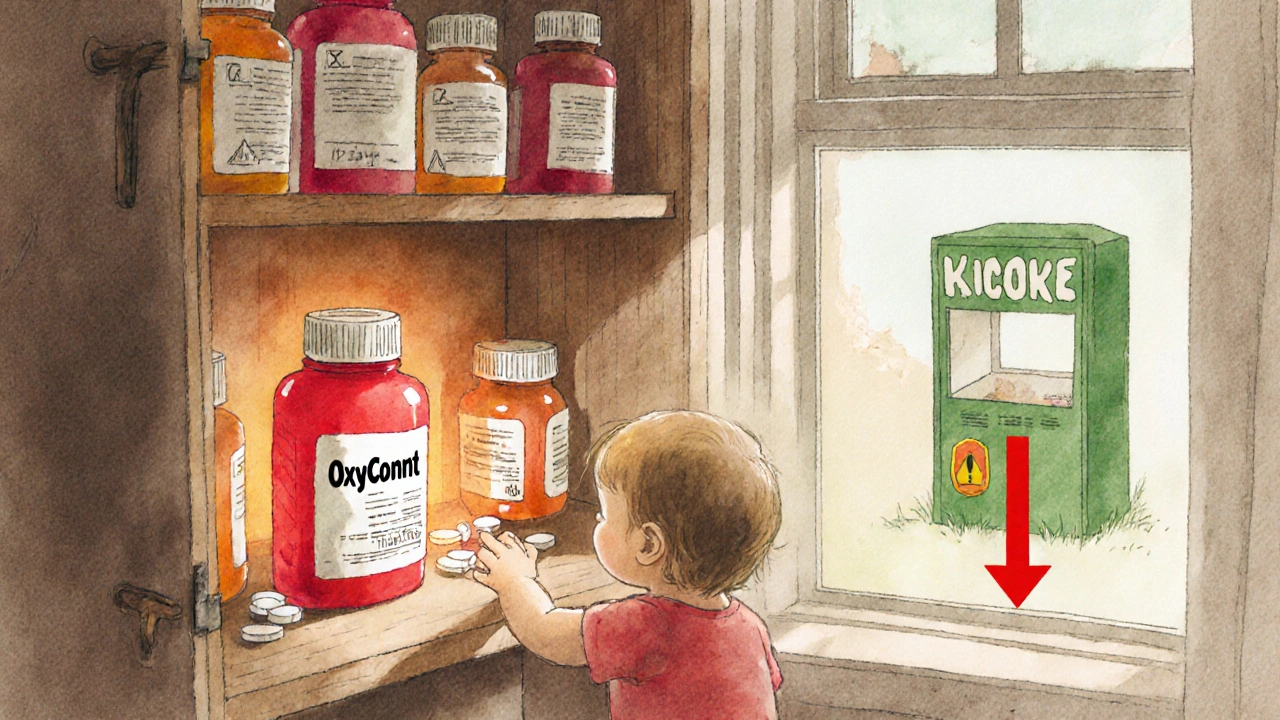
So what do you do? First, check if your pharmacy or local government runs a drug take-back program, a secure collection system where law enforcement or pharmacies accept unused medications. These are the gold standard. Many pharmacies, hospitals, and even police stations have drop boxes. No ID needed. No questions asked. If that’s not available, the next best option is mixing pills with something unappealing—like coffee grounds or cat litter—and sealing them in a container before tossing them in the trash. Never crush pills unless instructed. And for goodness sake, don’t flush them unless the label says to. Only a few drugs, like certain opioids, are safe to flush because of their high risk of abuse. For everything else, flushing pollutes waterways and harms aquatic life.
There’s also the issue of pharmaceutical waste, the leftover drugs that end up in landfills, sewers, or incinerators. It’s not just your old ibuprofen—it’s the antibiotics, antidepressants, and heart meds that get thrown out every day. Communities that run take-back programs help reduce this burden. And if you’re managing multiple prescriptions, consider using a medication reminder app, a tool that helps track what you’re taking and when to refill or discard to avoid stockpiling. You’ll cut down on waste and stay safer.
Some people think expiration dates are just a marketing trick. They’re not. While some drugs may stay stable past their date, others—like insulin, nitroglycerin, or liquid antibiotics—can break down fast and become ineffective or even harmful. The date is there for a reason. And if you’re unsure whether a pill is still good, don’t guess. Take it to a pharmacy. They’ll know.
Proper disposal isn’t just smart—it’s responsible. It keeps your home safer, protects the environment, and helps prevent drug abuse. You wouldn’t leave a loaded gun lying around. Don’t leave old pills sitting out either. The tools and systems to dispose of them safely are already out there. You just need to use them.
Below, you’ll find real-world guides on how to handle old medications, avoid dangerous interactions, and keep your medicine cabinet under control—no guesswork, no fluff, just clear steps you can follow today.
22
How to Safely Dispose of Expired Medications: FDA Take-Back Guidelines and Best Practices
Learn the FDA’s safe disposal guidelines for expired medications. Find out where to drop off pills, which drugs can be flushed, and how to dispose of them at home without risking health or the environment.