21
Migraine Headaches: Common Triggers, Preventive Medications, and How to Treat an Attack
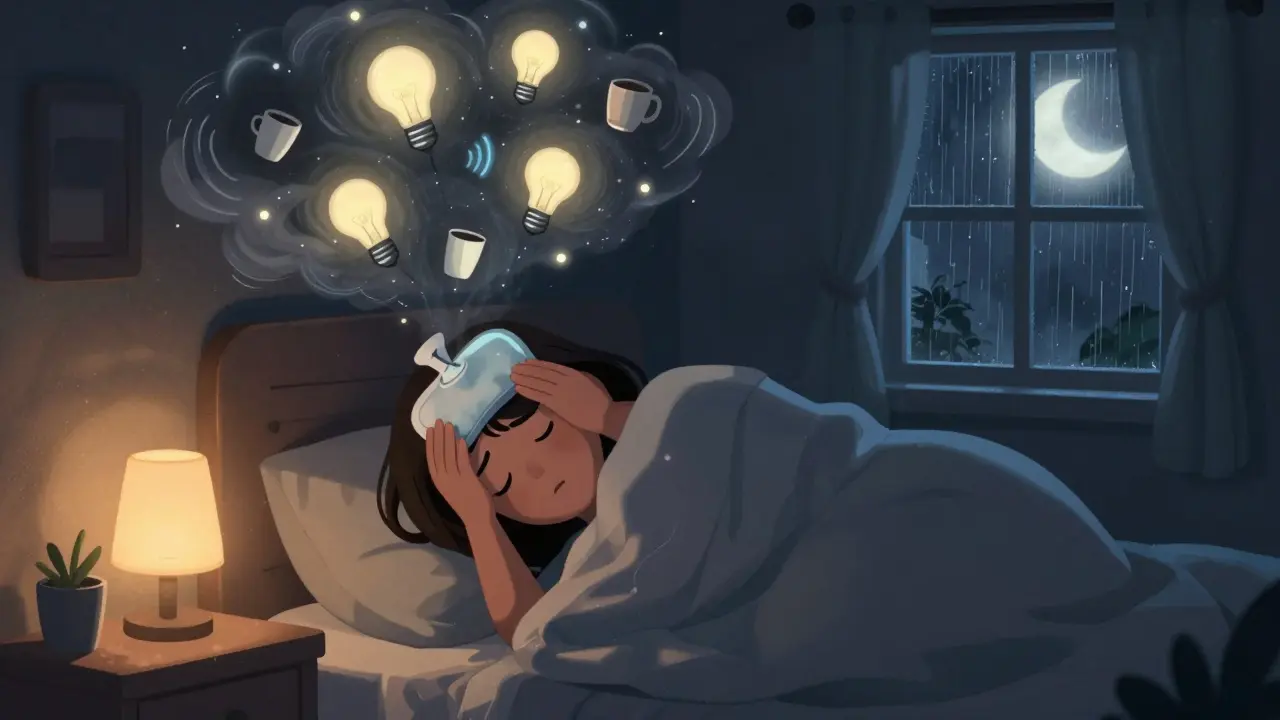
If you’ve ever been hit by a migraine, you know it’s not just a bad headache. It’s a full-body storm-pounding pain, nausea, light so bright it feels like needles in your eyes, sounds that shred your nerves. And when it’s over, you’re drained, like you’ve run a marathon in your sleep. Migraines don’t pick who they hit. They affect about 12% of people in the U.S., and women are three times more likely to get them than men. But here’s the thing: no two migraines are the same. What sets one person off might do nothing for another. That’s why understanding your triggers, knowing what meds actually work, and having a clear plan for when an attack hits is the only way to take back control.
What Really Sets Off a Migraine?
Migraines aren’t caused by one single thing. They’re the result of a chain reaction in your brain-nerves firing, blood vessels swelling, chemicals flooding your system. But something has to start that chain. For most people, that’s a trigger. And triggers? They’re personal. Some folks swear by chocolate. Others never touch it and still get attacks. The key isn’t to avoid every possible trigger-it’s to find yours.Stress is the biggest offender. Around 70% of people with migraines say stress sets them off. But here’s the twist: it’s often not the stress itself-it’s what happens after. That’s called a ‘let-down migraine.’ You’ve been running nonstop for days, juggling work, kids, deadlines. Then Saturday comes. You finally relax. And boom-your head explodes. That’s your brain catching up. The same thing can happen after a long trip, a big event, or even a good night’s sleep after weeks of poor rest.
Sleep is another major player. Not enough? Too much? Both can trigger attacks. Nearly half of all migraines happen between 4 a.m. and 9 a.m., which tells you your body’s internal clock is deeply involved. If you’re a weekend sleeper-in, or you’re up late scrolling on your phone, your brain notices. Consistency matters more than you think. Go to bed and wake up around the same time-even on weekends.
For women, hormones are a silent force. Fluctuations in estrogen-before your period, during ovulation, even when you’re pregnant or on birth control-can flip the migraine switch. About 65% of women with migraines link their attacks to their cycle. That doesn’t mean you need to stop your hormones. It means you need to track them. If you notice a pattern, talk to your doctor. There are ways to manage it.
Dietary triggers are messy. People blame cheese, wine, chocolate, caffeine. And yes, some of those can be culprits. But here’s the catch: it’s not the food itself-it’s the change. Skipping meals? That’s a bigger trigger than the cheese on your pizza. Caffeine is especially tricky. Too much can set you off. Too little-like when you skip your morning coffee-can do the same. Some people even use a small cup of coffee to stop a migraine in its tracks. That’s because caffeine can help certain pain meds work better. But if you’re using it daily to fight headaches, you might be setting yourself up for rebound attacks.
Weather changes? They’re real. Barometric pressure drops before a storm, humidity spikes, or you fly across time zones-your brain picks up on it. About 53% of migraine sufferers say weather shifts trigger their attacks. You can’t control the weather, but you can prepare. If you know a front’s coming, take your preventive med early. Stay hydrated. Avoid other known triggers that day.
Sensory triggers are sneaky. Bright lights-sun glare, flickering fluorescents, phone screens-can light up your brain like a strobe. Loud noises, especially sudden ones, can be unbearable. Even smells-perfume, cigarette smoke, strong cooking odors-can push you over the edge. And here’s the kicker: it’s rarely just one. Two or three small triggers together-like a skipped meal, a bright room, and a stressful meeting-can be enough to start an attack. That’s called the threshold effect. Your tolerance shifts. Some days, you’re fine. Other days, even a gentle breeze feels like too much.
Preventive Medications: Stopping Migraines Before They Start
If you’re having more than four migraine days a month, or your attacks are so bad they knock you out for a day or two, it’s time to think about prevention. This isn’t about taking a pill every time you feel a twinge. It’s about lowering your overall sensitivity so attacks happen less often-or not at all.There are several classes of meds used for prevention, each working in different ways. Beta-blockers like propranolol and timolol were originally made for high blood pressure, but they calm overactive nerves in the brain. They’re often the first choice because they’re well-studied and affordable.
Anticonvulsants like topiramate and valproate stabilize electrical activity in the brain. Topiramate can help with weight loss, which some people like. But it can also cause brain fog, tingling, or taste changes-so it’s not for everyone.
Tricyclic antidepressants like amitriptyline aren’t just for depression. At low doses, they help regulate pain signals and improve sleep, which is huge for migraine sufferers. Many people report fewer attacks and better rest after starting amitriptyline-even if they’re not depressed.
The newest players are the CGRP inhibitors-meds like erenumab and fremanezumab. These are injectables given once a month. They block a protein called CGRP, which is involved in migraine pain. They’re expensive, but for people who haven’t responded to other meds, they can be life-changing. Some users go from 15 headache days a month to just two or three.
None of these work overnight. It takes weeks-sometimes months-to see results. And you might need to try a few before you find the right one. That’s normal. The goal isn’t perfection. It’s reducing the frequency and severity enough that you can live your life without constantly waiting for the next attack.
What to Do When a Migraine Hits
When the pain starts, time is your enemy. The sooner you act, the better your chances of stopping it before it takes over. This is acute care-treating the attack as it happens.For mild to moderate attacks, over-the-counter painkillers like ibuprofen or naproxen can help-especially if you take them at the very first sign. But don’t use them more than two or three days a week. Overuse can lead to rebound headaches, which make things worse.
For moderate to severe migraines, triptans are the gold standard. Medications like sumatriptan and rizatriptan work by narrowing blood vessels in the brain and blocking pain pathways. They come as pills, nasal sprays, or injections. If one doesn’t work, try another. Not all triptans are the same. Some act faster. Some last longer. Your doctor can help you pick the right one.
Newer options called gepants-like ubrogepant and rimegepant-are gaining popularity. They don’t narrow blood vessels, so they’re safer for people with heart problems. They’re also effective for nausea and light sensitivity. Rimegepant even comes as a dissolving tablet you can take once a day for prevention-or as needed for attacks. That’s rare.
Don’t underestimate the power of environment. When an attack hits, get into a dark, quiet room. Put a cold pack on your neck or forehead. Silence your phone. Close the curtains. Even a short nap can help. If you have a trusted med, take it early-not when you’re already doubled over. And hydrate. Dehydration makes migraines worse.
Tracking Your Triggers: The Most Powerful Tool You Have
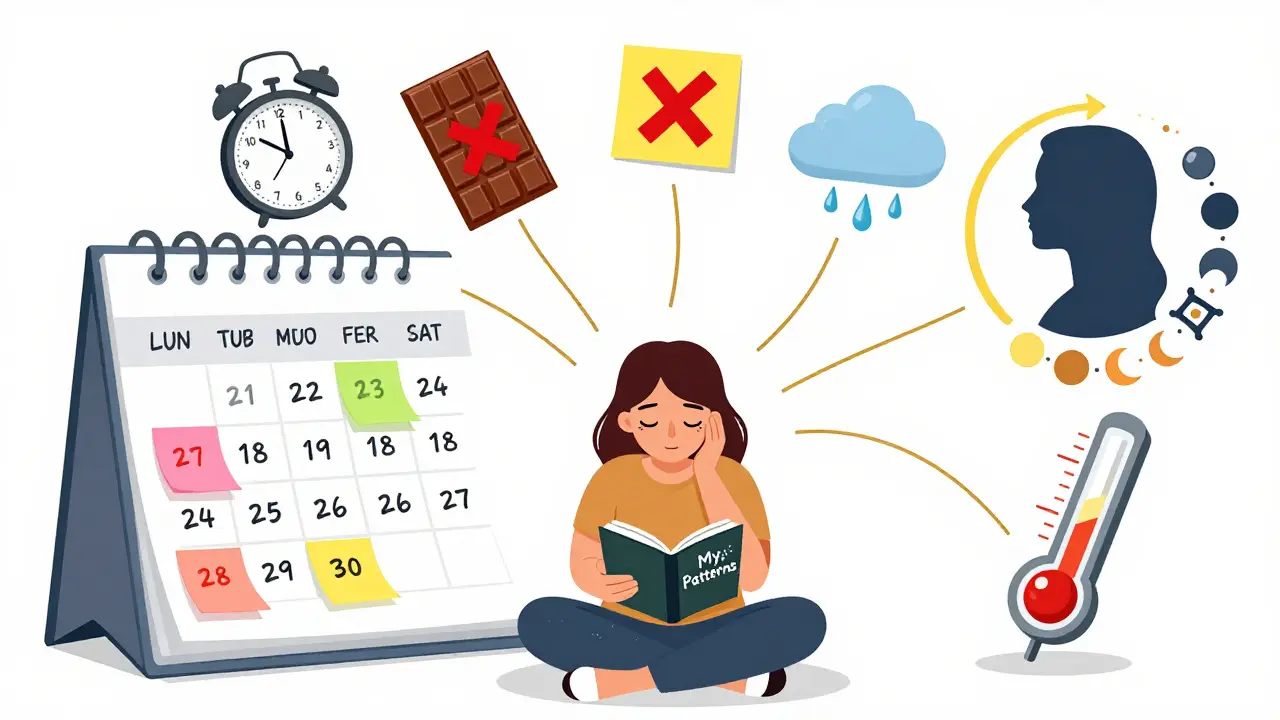
No app, no pill, no diet will work if you don’t know what’s triggering your attacks. That’s why keeping a migraine diary is the single most effective thing you can do.Write down: when the attack started, how bad it was (on a scale of 1 to 10), what you ate or drank in the last 24 hours, how much sleep you got, your stress level, your period (if applicable), and the weather. Do this for at least two months. Then look for patterns. Do you always get headaches after Friday dinners? After flying? On days you skip breakfast?
Apps like Migraine Buddy or Headache Log make this easier. But a simple notebook works too. The goal isn’t to be perfect. It’s to spot the trends. Once you see them, you can start making small changes. Skip the wine on weekends. Set a bedtime alarm. Take your preventive med before a big trip. These aren’t big lifestyle overhauls. They’re smart adjustments.
And remember: not every migraine has a trigger. Sometimes, your brain just misfires. That’s okay. Don’t blame yourself. You’re not failing. You’re learning.
When to See a Doctor
You don’t need to suffer in silence. If your migraines are getting worse, happening more often, or if over-the-counter meds aren’t helping anymore, it’s time to talk to a doctor. Same if you’re having new symptoms-like vision loss, weakness on one side, or confusion. These aren’t typical migraine signs. They need checking.A neurologist who specializes in headaches can help you sort through meds, adjust doses, and rule out other conditions. They can also help you understand if you’re eligible for newer treatments like CGRP inhibitors. Don’t wait until you’re desperate. Early intervention makes a huge difference.
Living With Migraines: It’s Not Perfect, But It’s Manageable
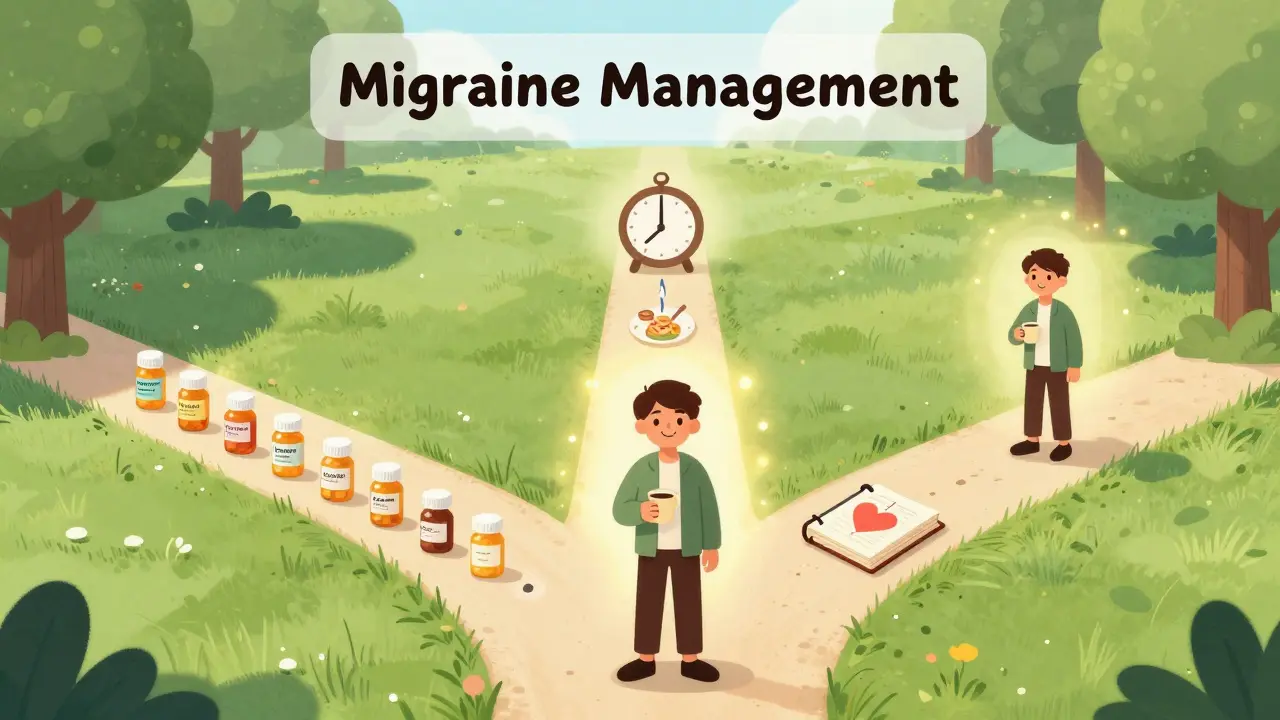
Migraines don’t go away. But they can get better. Not because you’re perfect. Because you’re consistent. You sleep at the same time. You eat regularly. You track your triggers. You take your meds as prescribed. You give yourself permission to rest when you need to.You’ll have bad days. You’ll have attacks that surprise you. That’s part of it. But you don’t have to let them run your life. The goal isn’t to be migraine-free. It’s to be migraine-managed. To have enough good days that you can plan a weekend, go to work, spend time with friends, and not live in fear of the next one.
You’ve already taken the first step by reading this. Now take the next one: start tracking. Talk to your doctor. Try one new strategy this week. Your brain is powerful. And with the right tools, it can learn to stop screaming.
Can caffeine help or hurt with migraines?
Caffeine has a dual role. For some people, a cup of coffee can stop a migraine early-especially when combined with pain relievers like aspirin or acetaminophen. But for others, too much caffeine or suddenly skipping it (like on weekends) can trigger an attack. The key is consistency. If you use caffeine to treat migraines, stick to the same amount every day. Avoid using it more than two or three times a week to prevent rebound headaches.
Are migraine triggers the same for everyone?
No. While stress, sleep changes, and weather are common triggers, what sets one person off might do nothing to another. Some people react to red wine; others drink it daily with no issues. That’s why tracking your own patterns is critical. Your triggers are unique to you, and that’s why personalized management works better than generic advice.
Do I need to take preventive medication forever?
Not necessarily. Many people take preventive meds for 6 to 12 months, then work with their doctor to slowly reduce the dose if their attacks have improved. Some stay on them longer if their triggers are hard to avoid-like hormonal changes or chronic stress. Others stop and return to tracking and lifestyle changes. It’s not permanent unless your doctor says so. Regular check-ins are key.
Can lifestyle changes really prevent migraines?
Yes-especially when combined with medication. Regular sleep, consistent meals, hydration, stress management, and avoiding known triggers can reduce migraine frequency by 30% to 50% in many people. You don’t need to overhaul your life. Small, steady changes-like going to bed at the same time every night-make the biggest difference over time.
What should I do if my migraine meds stop working?
If your current treatment isn’t helping anymore, don’t just increase the dose or take more. Talk to your doctor. You might need a different medication, a new combination, or a newer option like a gepant or CGRP inhibitor. Sometimes, the reason meds stop working is because your triggers have changed-maybe you’re sleeping less, under more stress, or your hormones have shifted. Re-evaluating your triggers and treatment plan together is the best next step.
If you’re reading this because you’re tired of being sidelined by migraines, know this: you’re not alone. And you don’t have to wait until the next attack to make a change. Start with one small step today-track your next headache. That’s how recovery begins.






Hilary Miller
January 22, 2026 AT 17:18Margaret Khaemba
January 23, 2026 AT 11:06Malik Ronquillo
January 25, 2026 AT 09:12Brenda King
January 26, 2026 AT 20:54Daphne Mallari - Tolentino
January 27, 2026 AT 15:43Philip House
January 27, 2026 AT 17:54Mike P
January 27, 2026 AT 23:29Jasmine Bryant
January 28, 2026 AT 01:41Liberty C
January 28, 2026 AT 19:01shivani acharya
January 29, 2026 AT 15:20Sarvesh CK
January 31, 2026 AT 13:51Keith Helm
February 1, 2026 AT 09:10Neil Ellis
February 2, 2026 AT 19:48Alec Amiri
February 3, 2026 AT 17:45