Anaphylaxis Treatment: What Works, What to Avoid, and When to Act
When your body overreacts to something harmless—like peanuts, bee stings, or certain medicines—it can trigger a life-threatening response called anaphylaxis, a severe, whole-body allergic reaction that shuts down breathing and circulation. Also known as anaphylactic shock, it doesn’t wait for permission to happen—it strikes fast, and every second counts. This isn’t just a bad rash or a stuffy nose. Anaphylaxis means your airway is swelling, your blood pressure is crashing, and your heart is struggling to keep up. If you’ve ever seen someone turn pale, gasp for air, or collapse after eating or being stung, you’ve seen anaphylaxis in action.
There’s only one medication that stops this chain reaction before it kills: epinephrine auto-injector, a handheld device that delivers a life-saving dose of adrenaline directly into the muscle. It’s not optional. It’s not a backup. It’s the first and only step that matters. Antihistamines like Benadryl? They help with itching or hives—but they do nothing to open your airway or raise your blood pressure. Relying on them alone is like trying to put out a house fire with a water bottle. The truth is, most people who die from anaphylaxis didn’t get epinephrine in time. Some didn’t have it on hand. Others were told to "wait and see"—a deadly mistake. Even if symptoms seem mild at first, they can spiral in minutes. That’s why carrying your auto-injector at all times isn’t just smart—it’s non-negotiable.
And it’s not just about the shot. Knowing what comes after matters too. After using epinephrine, you still need to call 911. The reaction can come back—sometimes worse—hours later. Hospitals have the tools to monitor you, give more medicine, and keep you safe. Skipping the ER after using your injector is like turning off a smoke alarm after hearing one beep. You might think it’s fine, but you’re risking everything.
You also need to know what triggers it. For some, it’s food—peanuts, shellfish, milk. For others, it’s medicines like penicillin or NSAIDs, or even latex or insect venom. And sometimes, it’s exercise, heat, or stress combined with something else. That’s why tracking your reactions and talking to your doctor isn’t just good advice—it’s survival planning. If you’ve had even one episode, you need a written emergency plan, a medical alert bracelet, and people around you who know how to use your injector.
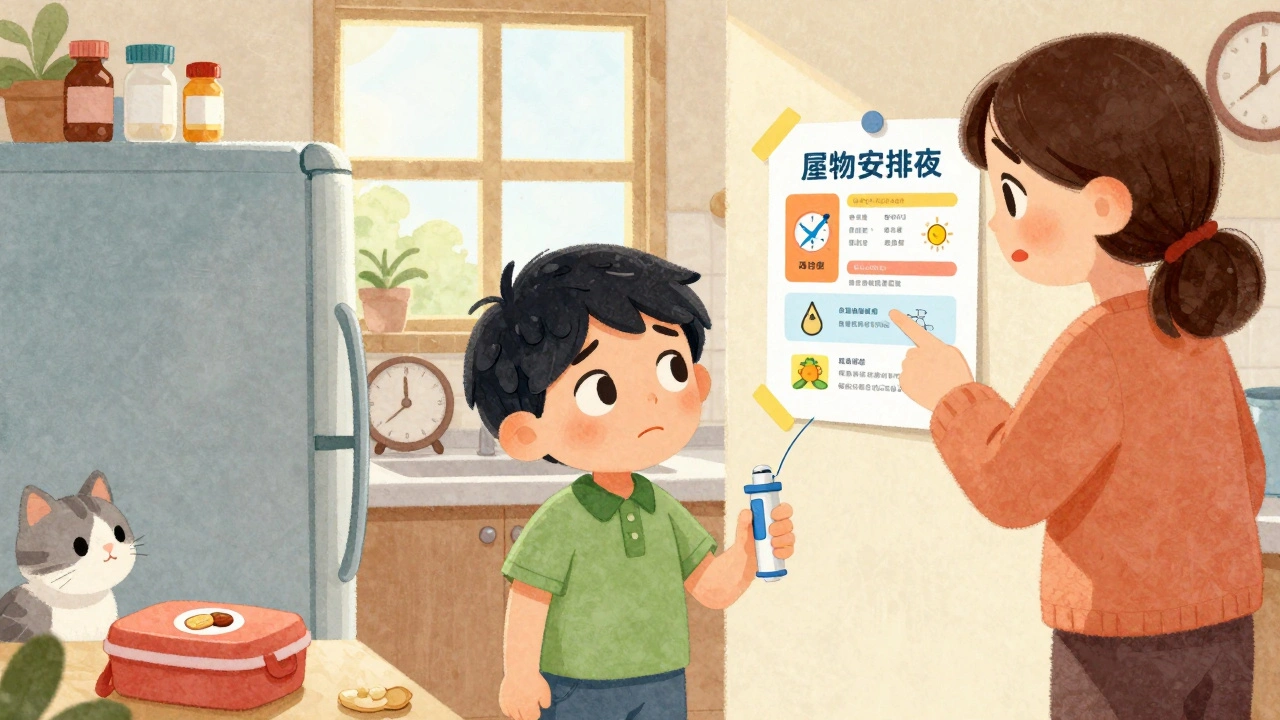
There are no magic pills, no home remedies, no "natural" fixes for anaphylaxis. Only science-backed, time-tested actions work. And the science is clear: epinephrine first, emergency care second, prevention always. The posts below cover real stories, pharmacist tips on avoiding hidden triggers, how to teach kids to use their injector, and why some people miss the signs until it’s too late. You won’t find fluff here—just what you need to know before the next reaction hits.
4
Allergy Action Plan: Essential Medications to Carry and When to Use Them
An allergy action plan saves lives by clearly stating which medications to carry and when to use them. Epinephrine is the only treatment for anaphylaxis-know the signs, doses, and when to act.