Epinephrine for Allergies: What It Does, When It’s Needed, and How to Use It Safely
When a severe allergic reaction strikes, epinephrine, a hormone and medication that rapidly reverses life-threatening symptoms like swelling, low blood pressure, and breathing trouble. Also known as adrenaline, it’s the first and only treatment that can stop anaphylaxis before it kills. Every minute counts — epinephrine works in seconds to open airways, raise blood pressure, and calm the body’s runaway immune response. Without it, even mild allergies can turn deadly in minutes.
People with known food, insect, or medication allergies often carry an epinephrine auto-injector, a pre-filled, easy-to-use device like an EpiPen or generic equivalent that delivers a measured dose with a single jab. These aren’t just for kids with peanut allergies — adults with shellfish, latex, or antibiotic reactions rely on them too. But using one isn’t enough. You still need to call 911 after injecting, because symptoms can return hours later. Many don’t realize epinephrine doesn’t cure the reaction — it buys time until emergency care arrives.
Knowing when to use it matters more than having it. If you’re wheezing, your throat is closing, your lips are swelling, or you feel dizzy after exposure to an allergen — don’t wait. Don’t reach for antihistamines first. They help with rashes or sneezing, but they won’t stop anaphylaxis. Epinephrine is the only thing that can. And if you’ve used it once, you need a new one. Auto-injectors expire, and heat, light, or shaking can break them down. Keep two on hand, store them at room temperature, and check the liquid inside — if it’s brown or cloudy, replace it.
Some people avoid using epinephrine because they’re scared of the side effects — a racing heart, shaking, or feeling panicked. Those aren’t dangers; they’re signs it’s working. The real danger is doing nothing. Studies show over half of fatal anaphylaxis cases happen because epinephrine was delayed or not given at all. Your body doesn’t care if you’re nervous — it only cares if you act fast.
Epinephrine for allergies isn’t just a drug — it’s a lifeline. And knowing how to use it, when to use it, and what to do after can mean the difference between walking away and losing someone you love. Below, you’ll find real-world advice from people who’ve lived through this, guides on storing your injector, and what pharmacists wish you knew about generic versions and backup plans.
4
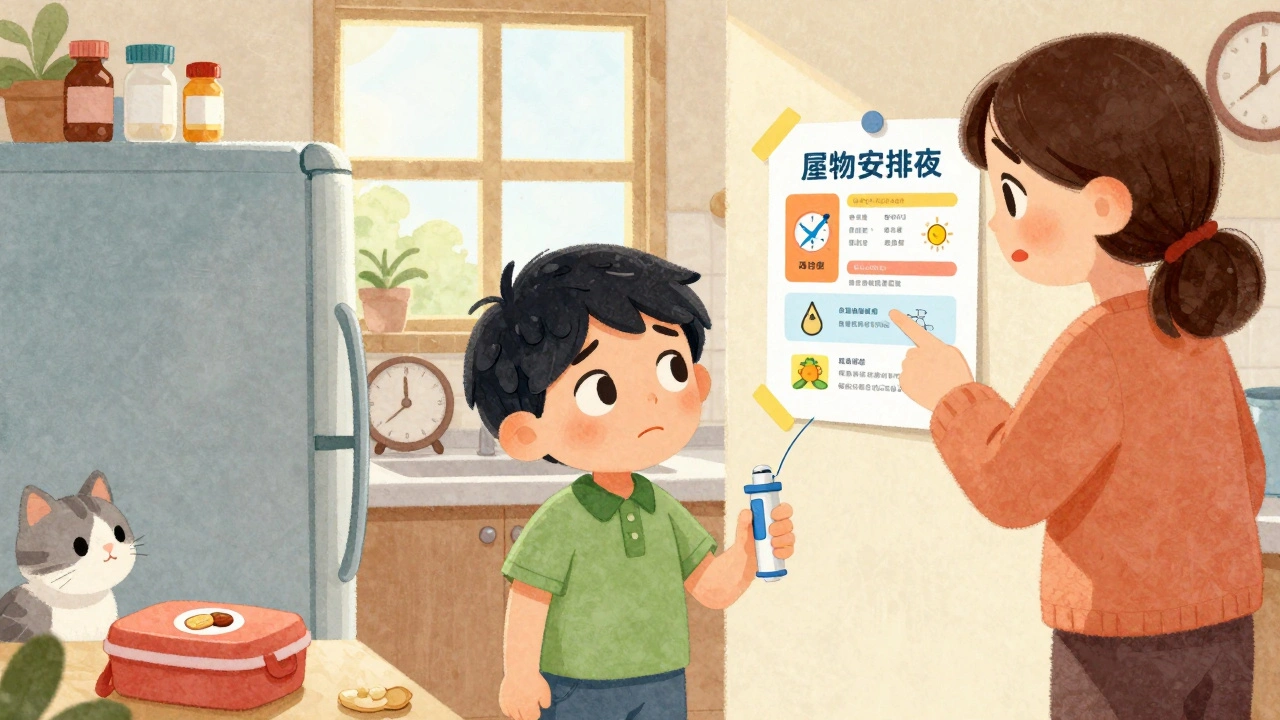
Allergy Action Plan: Essential Medications to Carry and When to Use Them
An allergy action plan saves lives by clearly stating which medications to carry and when to use them. Epinephrine is the only treatment for anaphylaxis-know the signs, doses, and when to act.