Rifampin and Birth Control: Does Rifampin Reduce Birth Control Effectiveness?
When you take rifampin, a powerful antibiotic used to treat tuberculosis and other bacterial infections, it doesn’t just kill bacteria—it can also mess with how your body handles hormones. This is especially important if you’re using birth control, hormonal methods like pills, patches, or rings designed to prevent pregnancy. Many people assume all antibiotics are safe with birth control, but rifampin is one of the few that actually lowers its effectiveness. It speeds up how your liver breaks down estrogen and progestin, leaving you with less of the hormones you need to prevent ovulation.
This isn’t just a theory—it’s backed by real cases of unintended pregnancies in people using rifampin while on hormonal contraception. The drug interaction, a well-documented effect where one medication changes how another works in the body happens because rifampin activates liver enzymes that metabolize hormones faster than normal. Even if you take your pill at the same time every day, the hormone levels drop too low to work. The same goes for patches and rings. And here’s the catch: this effect lasts for weeks after you stop taking rifampin. So even if you’ve finished your course, you’re still at risk for a few weeks. That’s why you can’t just rely on your regular birth control during and right after treatment.
What do you do instead? Talk to your doctor. They’ll likely recommend switching to a non-hormonal method during this time—like condoms, a copper IUD, or a diaphragm. These aren’t affected by rifampin. If you’re on a long-term rifampin regimen, like for TB, your doctor might suggest a higher-dose hormonal option, but even that’s not guaranteed to work. The safest bet is always a backup method. And don’t forget to keep using protection for at least four weeks after your last rifampin dose. This isn’t something to guess about. A missed pill might be inconvenient, but an unplanned pregnancy when you’re already managing a serious infection is a whole different problem.
You’ll find real stories and practical advice in the posts below—from people who’ve dealt with this interaction, to guides on how to track your cycle safely, to comparisons of contraceptive options that won’t clash with your meds. Whether you’re on rifampin now or just planning to start, this collection gives you the tools to make smart, informed choices about your body and your health.
21
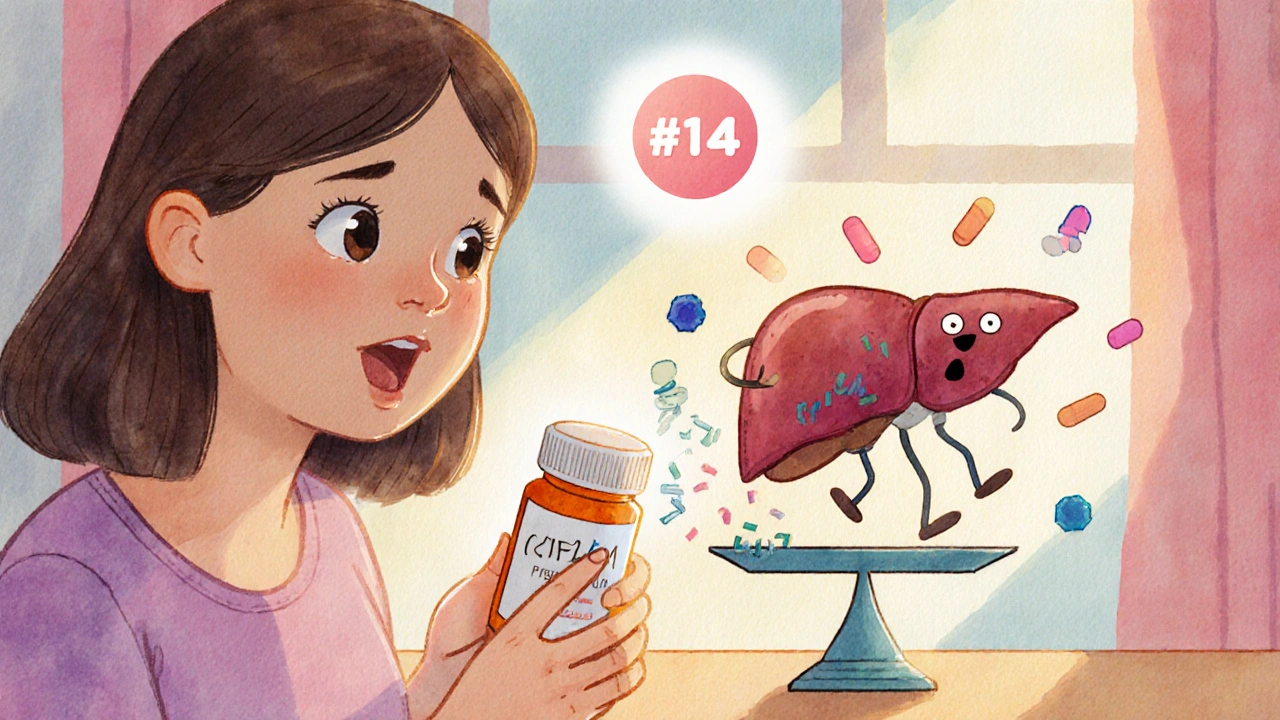
Rifampin and Birth Control: What You Need to Know About Contraceptive Failure Risks
Rifampin can make birth control pills ineffective by speeding up hormone breakdown. Learn why only rifampin causes this risk, how long to use backup contraception, and what alternatives actually work.