13
Accidental Pediatric Medication Overdose: How to Prevent It and What to Do If It Happens
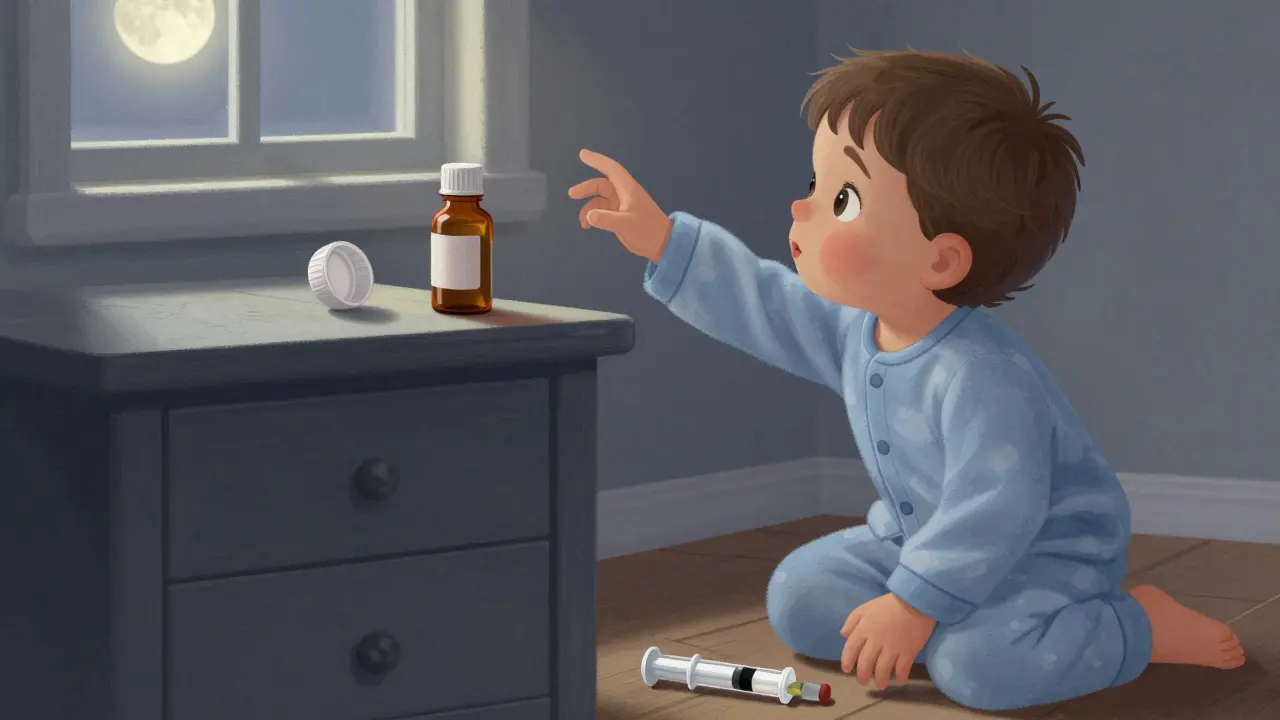
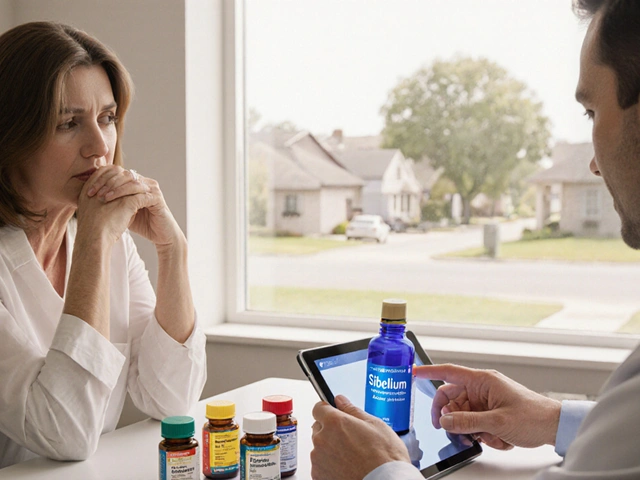
Every year, thousands of young children end up in emergency rooms because they got into medicine they weren’t supposed to. It’s not because parents are careless-it’s because the risks are hidden in plain sight. A bottle left on the nightstand. A teaspoon used instead of the dosing cup. A child-resistant cap that didn’t click shut. These aren’t rare mistakes. They’re common, preventable, and often deadly.
Why Kids Under 5 Are Most at Risk
Children under five are natural explorers. They put things in their mouths to learn about the world. That curiosity becomes dangerous when medicine is within reach. According to CDC data, emergency visits for accidental medication overdoses in this age group peaked at 76,000 in 2010. While numbers have dropped since then, the problem hasn’t gone away. Liquid medications like acetaminophen and diphenhydramine are the most common culprits, making up over 40% of all cases.Here’s the hard truth: child-resistant doesn’t mean child-proof. The Consumer Product Safety Commission found that 10% of kids can open those caps by age 3.5. That’s why relying on packaging alone is like locking your front door but leaving the window wide open.
The Three-Part Solution: Packaging, Dosing, and Education
A national effort called the PROTECT Initiative-led by the CDC-has been working since 2008 to cut these numbers. Their approach isn’t just one fix. It’s three.- Packaging improvements: Caps that require a twist-and-push motion until you hear a click. Flow restrictors in liquid bottles that slow the pour. These aren’t optional anymore. The FDA now requires them on most pediatric liquids.
- Standardized dosing: No more teaspoons or tablespoons. All labels must use milliliters (mL). The dosing device that comes with the medicine is the only one you should use. Kitchen spoons vary in size-some hold 3 mL, others 15 mL. That’s the difference between a safe dose and a dangerous overdose.
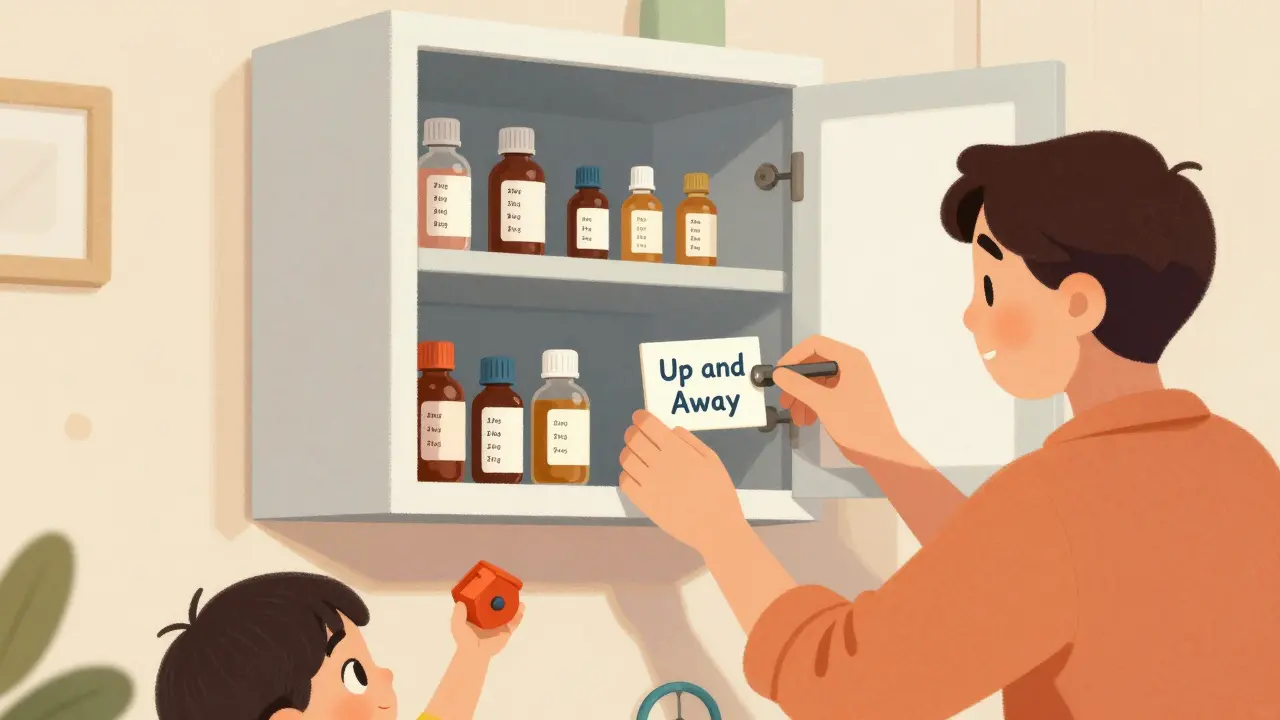
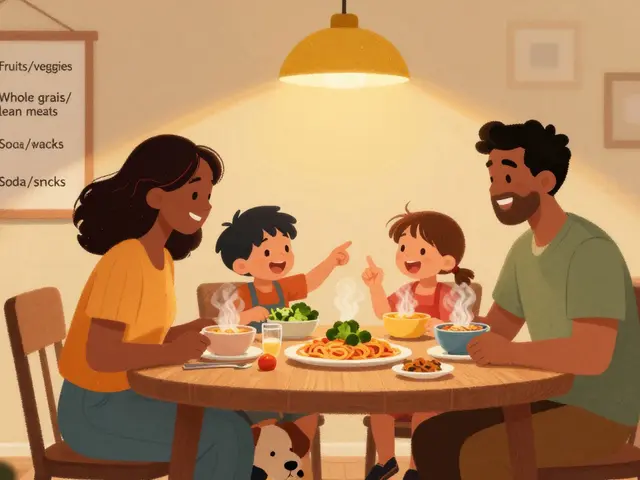
- Education: The Up and Away and Out of Sight campaign teaches parents to store medicine at least 4 feet off the ground, in a locked cabinet. Not on the counter. Not in the purse. Not in the nightstand.
These steps work together. Alone, child-resistant caps reduce access by about half. Add standardized dosing and proper storage, and you cut emergency visits by 25% since 2010. That’s tens of thousands of kids who didn’t need an ambulance.
Where Things Still Go Wrong
Even with better packaging, mistakes happen. Here’s why:- Confusing concentrations: Infant acetaminophen is 160 mg/5 mL. Children’s acetaminophen is 160 mg/5 mL too-but some older bottles still say 80 mg/5 mL. Parents mix them up. A 2023 study found 42.6% of dosing errors came from this exact confusion.
- Kitchen spoons: Over 78% of cases reported to poison control involved using a regular spoon. People think a tablespoon is a tablespoon. It’s not. A soup spoon holds more than a dosing spoon. A coffee spoon holds less.
- Storage shortcuts: Only 32% of households store medicine in a locked cabinet. The rest leave it where kids can reach it-on the bathroom counter, in the kitchen drawer, even in a diaper bag.
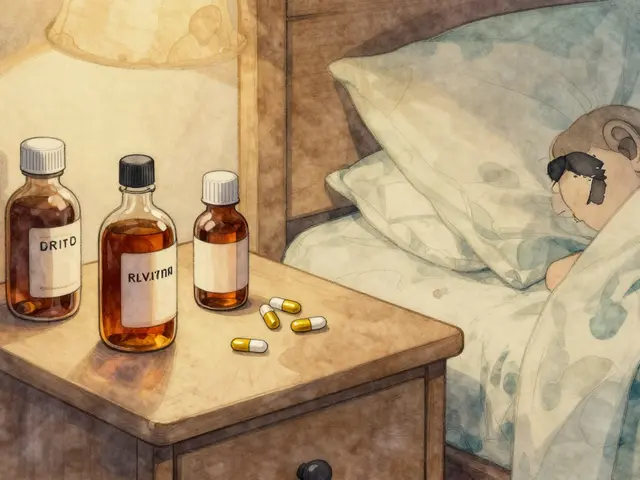
One parent on Reddit shared how their 2-year-old got into blood pressure pills because they were left on the nightstand after a doctor’s visit. That child survived. Many don’t.
How to Store Medicine Safely
You don’t need a safe. You just need a habit.- Keep all medicines-prescription, OTC, vitamins-in their original containers. The label has the dose, the expiration date, and the warning.
- Use child-resistant caps correctly. Twist down until you hear a click. Don’t assume it’s locked if it doesn’t click.
- Store them in a locked cabinet, drawer, or box. At least 4 feet off the ground. High enough so a toddler can’t reach it, even if they climb on a chair.
- Put medicine away immediately after each use. Don’t leave it out while you’re feeding the child or changing a diaper.
- Dispose of unused medicine. Many pharmacies offer take-back programs. If not, mix pills with coffee grounds or cat litter, seal them in a bag, and throw them in the trash. Don’t flush them.
What to Do If Your Child Gets Into Medicine
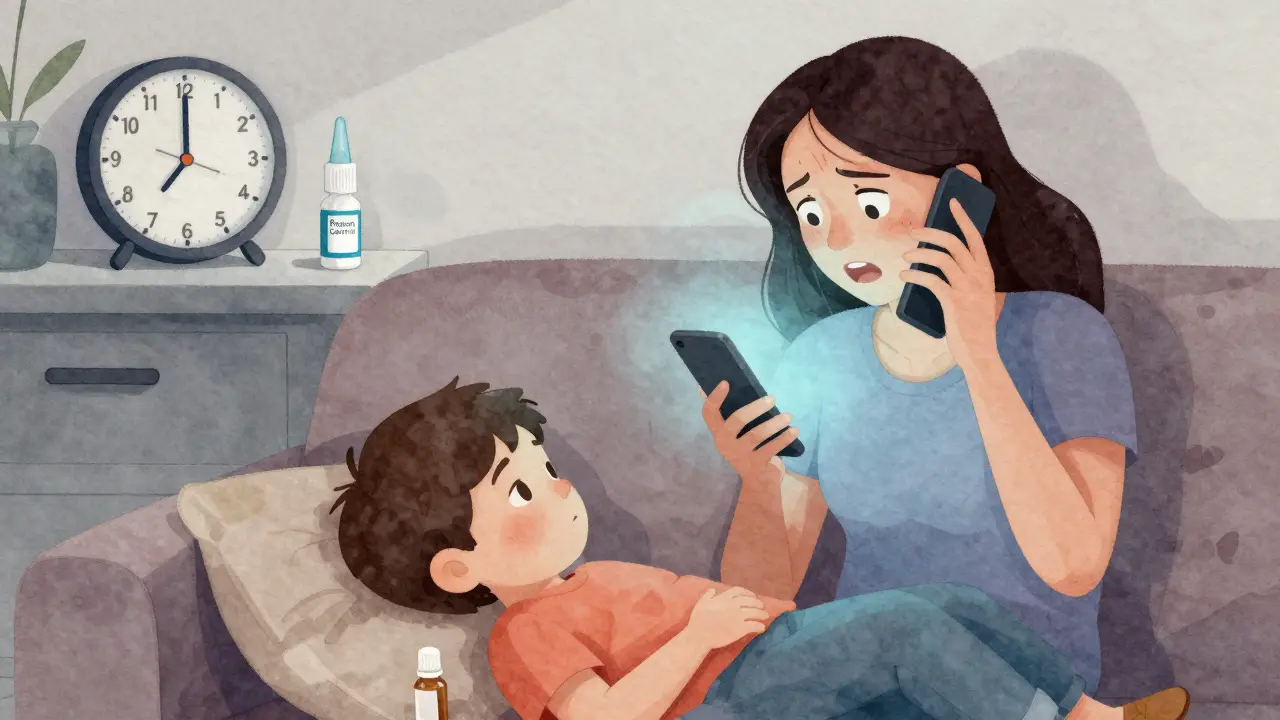
Time matters. Don’t wait for symptoms. Don’t try to make them vomit. Don’t give them milk or water unless told to.- Call Poison Control right away: 1-800-222-1222 in the U.S. This line is free, confidential, and staffed 24/7 by nurses and pharmacists trained in poison emergencies.
- Have the medicine container ready. The operator will ask for the name, dose, and time of exposure. Don’t guess-bring the bottle.
- If you suspect an opioid overdose (slowed breathing, blue lips, unresponsiveness), give naloxone if you have it. The CDC now recommends keeping naloxone in homes where opioids are used. It’s safe, easy to use, and can save a life.
- Call 911 if your child is unconscious, having trouble breathing, or seizing. Even if they seem fine, get them checked. Some overdoses take hours to show up.
What’s Changing in 2025 and Beyond
The system is getting better. By 2025, all liquid opioid medications will have standardized flow restrictors. The CDC is expanding the Up and Away campaign into 12 new languages by 2026. The American Society of Health-System Pharmacists will release its first-ever Pediatric Medication Safety Guide in late 2024.But progress depends on you. Only 58% of households use child-resistant caps correctly. Only 32% store medicine locked away. If you’re reading this, you’re already ahead of most parents. Now, make it stick.
Real Stories, Real Lessons
One grandmother in Ohio credits the Up and Away campaign with saving her granddaughter. The girl tried to twist open a bottle of liquid medicine. The cap wouldn’t budge. The grandmother heard the struggle, rushed in, and found her granddaughter holding the bottle. "I thought I’d done everything right," she said. "Then I realized I hadn’t locked the cabinet. That day, I bought a lock. I won’t forget again."Another parent in Texas shared how her 18-month-old swallowed half a bottle of children’s diphenhydramine. She called Poison Control immediately. They told her to watch for drowsiness, not to induce vomiting, and to bring the child in. The child recovered fully. "I didn’t know what to do," she said. "But I knew to call. That’s what saved us."
What should I do if my child swallows medicine they weren’t supposed to?
Call Poison Control immediately at 1-800-222-1222. Have the medicine container ready so you can give the name, dose, and time of exposure. Do not try to make your child vomit. Do not give them food or drink unless instructed. If your child is unconscious, having trouble breathing, or seizing, call 911 right away.
Is child-resistant packaging enough to keep kids safe?
No. Child-resistant caps are designed to slow access, not stop it. Studies show 10% of children can open them by age 3.5. That’s why storage matters just as much. Always keep medicine locked away, out of sight and reach-even if the cap is on.
Can I use a kitchen spoon to measure medicine?
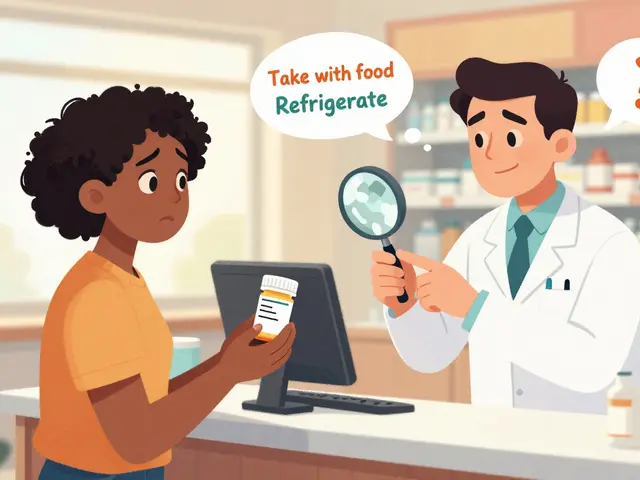
Never. Kitchen spoons vary in size and can deliver too much or too little. Always use the dosing device that came with the medicine-usually a syringe, dropper, or cup marked in milliliters (mL). If you lose it, ask your pharmacist for a replacement. They’re free.
Why do some medicines have different concentrations?
Some older formulations of medications like acetaminophen had different strengths-for example, infant drops (80 mg/5 mL) vs. children’s liquid (160 mg/5 mL). Even though the FDA now requires all new products to use 160 mg/5 mL, older bottles may still be in homes. Always check the label. If you’re unsure, ask your pharmacist to confirm the correct dose.
Should I keep naloxone at home if my child takes opioids?
Yes-if your child is prescribed an opioid, your doctor should also give you naloxone. It’s safe, easy to use (nasal spray or injection), and can reverse an overdose. Even if you think your child won’t take it, others might. Keep it in a locked cabinet with the medicine, and make sure caregivers know where it is and how to use it.
How do I dispose of unused medicine safely?
Use a drug take-back program if one is available-many pharmacies and police stations offer them. If not, mix pills with cat litter or coffee grounds, put them in a sealed plastic bag, and throw them in the trash. Don’t flush them unless the label says to. For liquid medicine, pour it into a sealed container with absorbent material like sawdust before tossing it.
Next Steps: Make It Stick
Start today. Walk through your home. Check every drawer, cabinet, purse, nightstand, and diaper bag. Are there any medicines within reach of a child? If yes, lock them up. If you’re unsure about a dose, call your pharmacist. If you’re worried about a child who may have taken medicine, call Poison Control-no judgment, no delay. Every second counts.Medicine saves lives. But when it’s not stored right, it can take them. You don’t need to be perfect. You just need to be consistent. Lock it. Measure it. Know what to do. That’s how you protect the ones you love.


Rob Turner
February 14, 2026 AT 23:59Man, I never thought about how a simple teaspoon could be a death trap. 😅 I used to measure my kid's medicine with a spoon 'cause it was easier. Now I keep the dosing syringe taped to the fridge. Learned the hard way after my nephew almost took a whole bottle of Benadryl. Don't be like me. Lock it up. 🚫💊
Luke Trouten
February 16, 2026 AT 21:57The data here is sobering, and the three-part solution is elegantly pragmatic. Packaging improvements, standardized dosing, and education aren't just policy fixes-they're cultural shifts. What's striking is how often we mistake 'child-resistant' for 'child-proof.' The linguistic precision of 'resistant' versus 'proof' reveals a deeper societal blind spot: we optimize for convenience, not containment. We must reframe safety not as a product feature, but as a behavioral ritual.
Gabriella Adams
February 18, 2026 AT 00:55As a pediatric nurse, I’ve seen too many cases where parents thought, 'It’s just one time.' One time is all it takes. I always tell families: if it’s medicine, it’s a hazard. Store it like you store your gun or your bleach. Locked. High. Out of sight. And yes-I carry a spare dosing syringe in my purse. Free at any pharmacy. Just ask. No shame. Just safety.
Rachidi Toupé GAGNON
February 18, 2026 AT 22:23My 3-year-old cracked a child-resistant cap like it was a TikTok challenge. 🤯 I thought I was doing everything right-until I watched him twist it open in 2 seconds. Now? Locked cabinet. With a padlock. And I keep the syringe in my pocket. No more 'I’ll put it back later.' That’s how accidents happen. Stay sharp, folks. 🛡️
Jim Johnson
February 20, 2026 AT 18:48Y'all are killin' it with this thread. Seriously. I used to leave my wife's blood pressure pills on the nightstand 'cause I forgot. Then my son climbed up and grabbed 'em. Scared the crap outta me. Now I got a lockbox in the closet. Took me 2 weeks to make it a habit. But now? I don't even think about it. Just lock it. Measure it. Know what to do. That's the mantra. You got this.
Vamsi Krishna
February 22, 2026 AT 07:30Actually, you're all missing the point. It's not about packaging or storage-it's about parental negligence. If you can't keep medicine away from a toddler, maybe you shouldn't have kids. I've seen parents leave entire bottles on coffee tables while they scroll on their phones. This isn't an accident-it's a failure of basic responsibility. The CDC should publish names. No more 'oops'-it's child endangerment. End of story.
Brad Ralph
February 23, 2026 AT 13:18So we're now treating medicine like it's nuclear waste? 🤦♂️ I get it. But let’s not turn every parent into a paranoid lab tech. My kid’s never opened a bottle. And if he did? He’d probably just spit it out. We’re so scared of every possible outcome that we forget kids are resilient. Also-why are we still using mL? Who even measures in mL? It’s like forcing people to use metric in a country that still uses feet. 😅
christian jon
February 24, 2026 AT 05:58THIS IS A NATIONAL EMERGENCY. 🚨 I’ve been saying this for YEARS. I saw a 17-month-old in the ER with a 20mL overdose of Tylenol because her mom 'thought a teaspoon was 5mL.' SHE WASN’T EVEN A NURSE. SHE WAS A BARISTA. WHAT IS THIS WORLD?!! We need mandatory parenting classes before you can adopt, give birth, or even buy a crib. And those child-resistant caps? They’re a JOKE. I’ve seen toddlers open them with a butter knife. 🔪 The system is BROKEN. And you? You’re lucky you’re not on trial right now.