Supplement Safety: What You Need to Know Before Taking Anything Daily
When you pick up a supplement, a product taken to add nutrients or support health, often sold without a prescription. Also known as dietary supplement, it's not medicine—but that doesn’t mean it’s harmless. Millions take them daily, thinking they’re safe because they’re "natural." But "natural" doesn’t mean risk-free. Some supplements interact with your prescriptions, others contain hidden drugs, and a few have been linked to liver damage or heart problems. The FDA doesn’t approve supplements before they hit shelves. That means you’re often the first line of defense.
That’s why supplement interactions, how a supplement changes how your body handles other drugs or nutrients matter more than you think. For example, St. John’s Wort can make birth control, blood thinners, or antidepressants stop working. Calcium and iron can block thyroid meds. Even something as simple as vitamin K can undo the effect of warfarin. And then there’s supplement regulation, the loose oversight system that lets companies sell products without proving they’re safe or effective. The FDA only steps in after something goes wrong—after people get sick, after reports pile up. That’s backward. You can’t trust every label. Some products have been found to contain steroids, stimulants, or even prescription drugs not listed anywhere.
supplement side effects, unwanted reactions that can range from mild nausea to serious organ damage aren’t always obvious. They don’t show up right away. A liver injury from a weight-loss supplement might take weeks. A spike in blood pressure from a pre-workout blend might feel like just a caffeine rush. And if you’re over 65 or on multiple meds, your body handles these substances differently. Older adults are at higher risk because metabolism slows down, and kidneys don’t filter as well. Even a common vitamin like B6 can cause nerve damage if taken too long at high doses.
There’s no magic checklist, but there are smart moves. Always talk to your pharmacist before starting a new supplement—they see what doctors don’t. Check if your meds are on the FDA’s list of known interactions. Look for third-party seals like USP or NSF, which test for contaminants. Avoid anything promising "miracle" results or claiming to cure diseases. And never assume more is better. A daily multivitamin might be fine. A stack of 10 pills with 500% of your daily value? That’s asking for trouble.
The posts below don’t just list risks—they show you real cases, hidden dangers, and how to protect yourself. You’ll find what to ask your pharmacist, how to spot fake labels, which supplements actually have science behind them, and which ones you should skip. This isn’t about fear. It’s about control. You deserve to know what’s in your body—and why it matters.
10
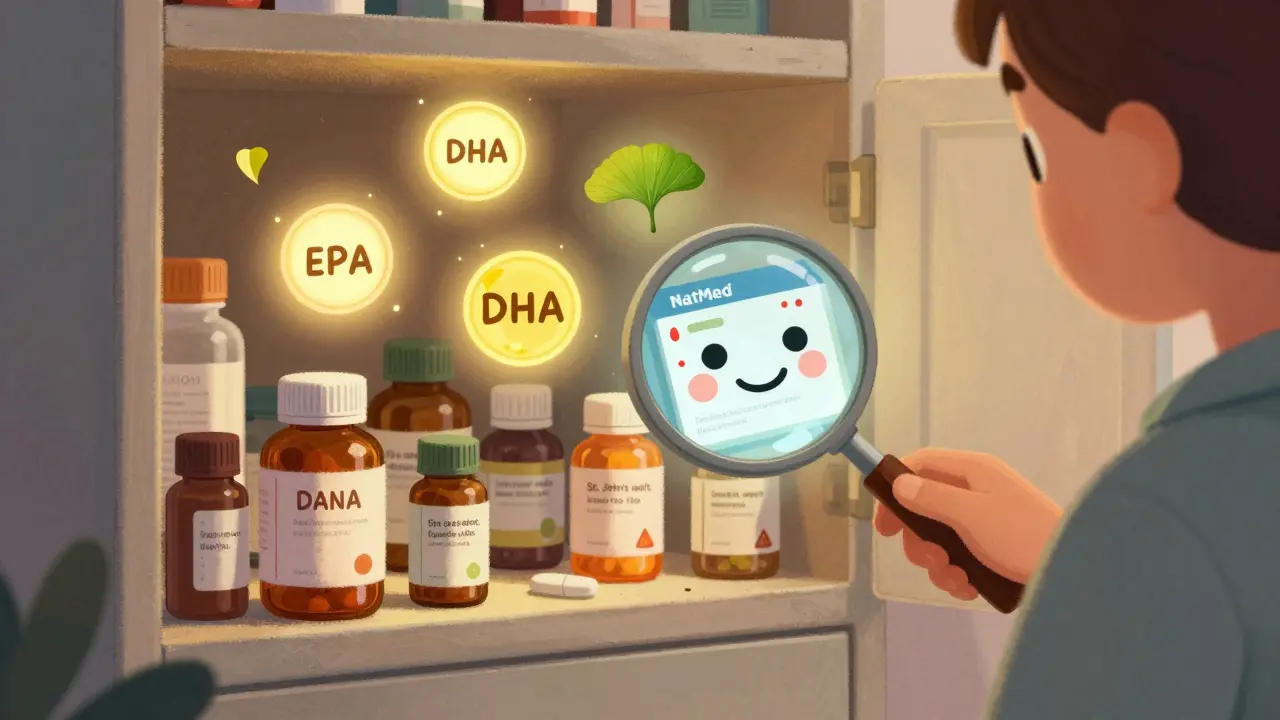
How to Check Supplement Interactions with Drug Databases: A Step-by-Step Guide
Learn how to safely check supplement-drug interactions using clinical databases like NatMed. Step-by-step guide for patients and caregivers to prevent dangerous side effects and ER visits.
25
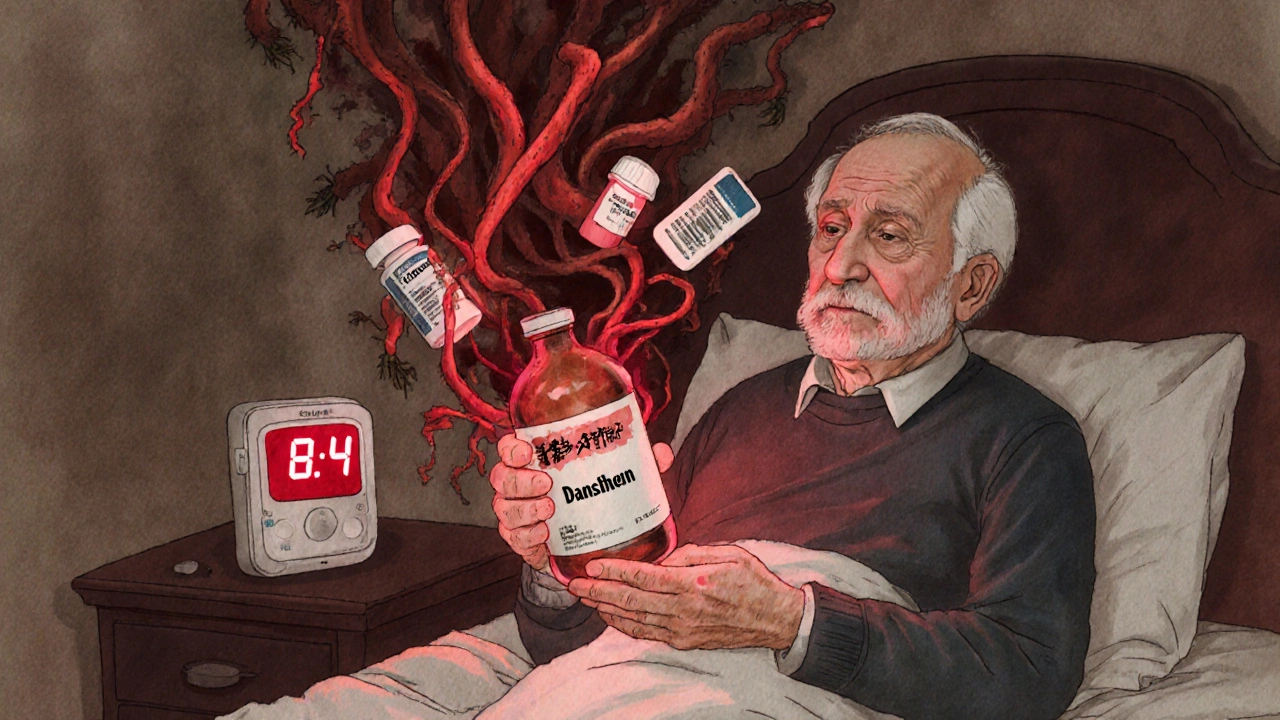
Danshen and Heart Medications: Serious Interaction Risks You Can't Ignore
Danshen, a popular herbal supplement for heart health, can dangerously interact with blood thinners like warfarin and rivaroxaban, causing life-threatening bleeding. Learn why this interaction is so risky and what to do if you're taking both.