20
Five Essential Rules for Taking Medication Safely
Every year, over a million people in the U.S. end up in the emergency room because of medication mistakes. Many of these aren’t accidents - they’re preventable. Whether you’re taking one pill a day or five, getting it right isn’t just about following instructions. It’s about understanding what you’re taking, why, and how to avoid hidden risks. The foundation of safe medication use isn’t complicated. It’s built on five clear, proven rules - the same ones hospitals use to keep patients alive.
Rule 1: Know the Right Patient - That’s You
It sounds obvious, but mixing up names or dosages happens more than you think. In hospitals, nurses check two identifiers: your full name and date of birth. At home? You need to do the same. Never assume the bottle in your cabinet is yours just because it looks familiar. Pills can look identical - one might be for blood pressure, another for anxiety. Always double-check the label before you take anything. If you share medications with a partner or live with someone who takes similar drugs, keep them in separate, clearly labeled containers. Don’t rely on memory. Write it down. Keep a simple list: drug name, purpose, dose, and time. Update it every time your doctor changes something. A 2022 Kaiser Family Foundation survey found that 61% of adults over 65 had at least one moment of confusion about their meds in the past year. Don’t be one of them.Rule 2: Confirm the Right Drug - Name, Shape, Color
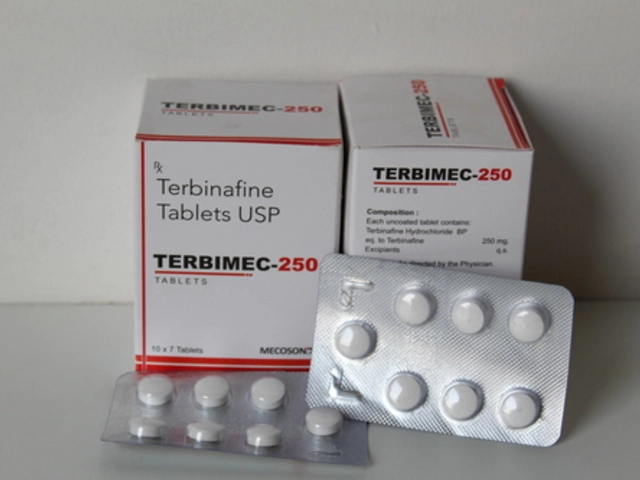
Look-alike, sound-alike drugs are a silent killer. Think of hydroxyzine (an allergy drug) and hydromorphone (a powerful opioid). One sounds like the other. One calms your skin. The other can stop your breathing. The Institute for Safe Medication Practices says 25% of medication errors involve these kinds of mix-ups. At the pharmacy, ask: "Is this the right drug?" Then check it yourself. Does the pill match what you’ve taken before? Is the color right? The shape? The imprint? If it looks different, don’t take it. Call your pharmacist. They’ve seen thousands of pills - they’ll know if something’s off. Also, never assume a refill is the same. Manufacturers change pill designs all the time. Your new bottle might look totally different but still be the correct medicine. But if it looks wrong and no one explained why - pause. Ask.Rule 3: Get the Right Dose - Weight, Age, Kidneys Matter
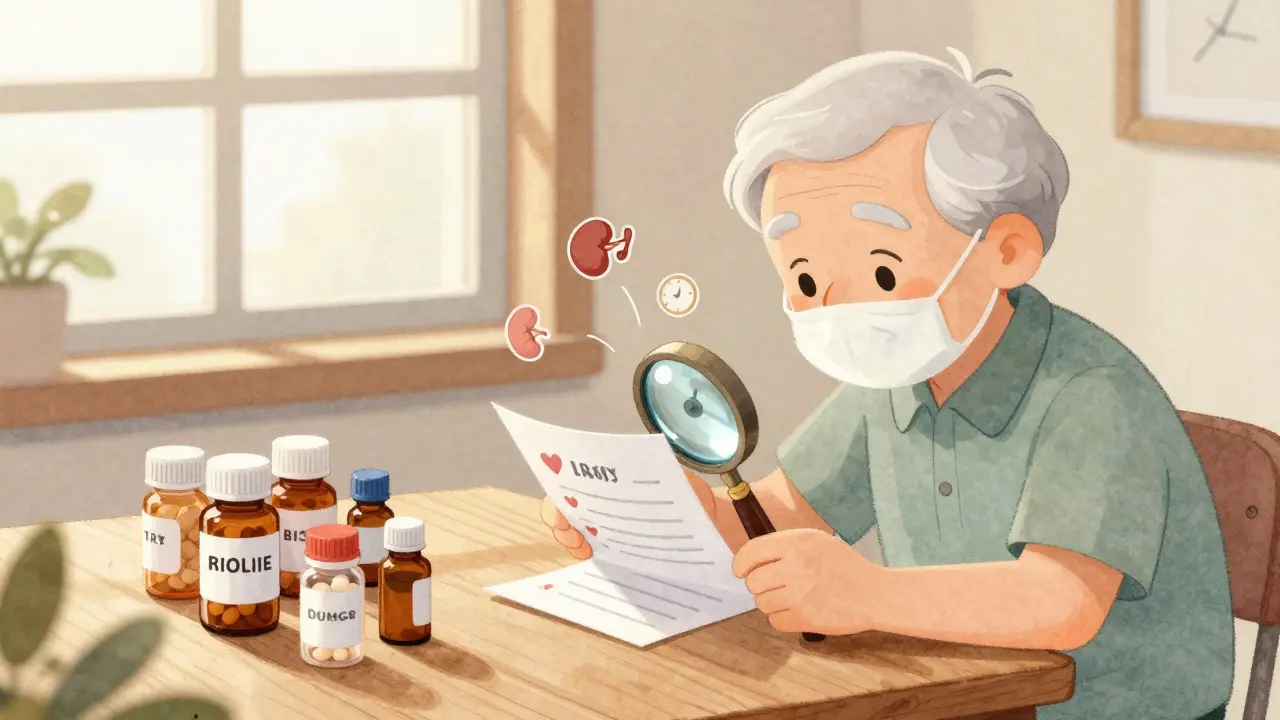
A 10 mg dose for a 70-year-old with kidney problems isn’t the same as for a 30-year-old. Dosing isn’t one-size-fits-all. Many drugs, especially insulin, blood thinners, and seizure meds, need to be adjusted based on your body weight, kidney function, or liver health. A 2023 CDC report found that 15% of dosing errors happen in children - but adults aren’t safe either. If you’re over 65 or have kidney disease, your body clears drugs slower. That means even a "normal" dose can build up and become toxic. Always tell your doctor or pharmacist about other health conditions. And if you’re taking multiple drugs, ask: "Could any of these change how my body handles this pill?" High-alert medications - like insulin, warfarin, or opioids - should always be double-checked. Keep a log of your dose and when you took it. If you miss a dose, don’t just double up. Check the label or call your pharmacist. They’ll tell you what to do.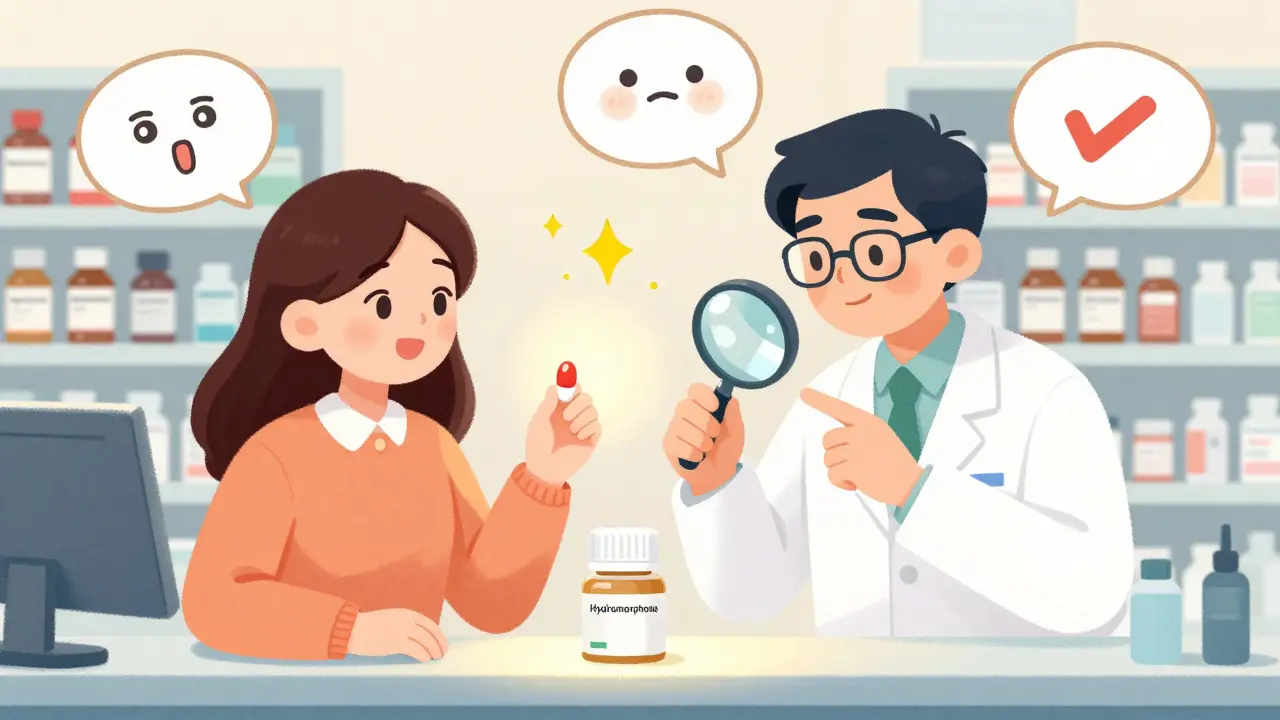
Rule 4: Use the Right Route - Don’t Chew, Crush, or Inject
How you take a drug matters as much as how much you take. Some pills are meant to dissolve slowly. If you crush them, you risk an overdose. Others are designed to be absorbed under the tongue - swallowing them defeats the purpose. A 2021 Agency for Healthcare Research and Quality study found that 16% of medication errors involve the wrong route. This isn’t just about injections. It’s about swallowing pills whole, using inhalers correctly, or applying creams to the right skin area. If a pill says "extended-release," don’t break it. If a patch says "apply to clean, dry skin," don’t put it on a hairy arm. If you can’t swallow a pill, ask if there’s a liquid form. Never mix pills into food unless the label says it’s safe. And never, ever inject a pill meant for oral use - it can cause tissue death or fatal infection. If you’re unsure how to use an inhaler, nasal spray, or eye drop, ask your pharmacist to show you. Watch a video on the drug’s official website. Better to spend five minutes learning than risk harm.Rule 5: Take It at the Right Time - Consistency Saves Lives
Timing isn’t just about "take with food" or "before bed." For some drugs, being 30 minutes late can make them less effective. For others, like antibiotics or blood thinners, being off by even 15 minutes can increase the risk of clots or infection. The CDC recommends taking time-critical meds within 30 minutes of the scheduled time. But if you’re on a complex regimen - say, five pills at different times - it gets messy. Use a pill organizer with alarms. Set reminders on your phone. Don’t rely on your memory. A 2023 study on cancer patients found that those trying to hit exact 24-hour intervals for oral chemo while working full-time often skipped doses. That’s not laziness - it’s system failure. If your schedule changes - you travel, you work nights - talk to your doctor. Adjust the timing, don’t guess. Also, never stop a medication just because you feel fine. Blood pressure pills don’t make you feel better. They prevent heart attacks. Antibiotics must finish the full course. Skipping doses breeds drug-resistant bugs. And if you’re taking more than five medications, schedule a "brown bag" review with your pharmacist every three months. Bring all your pills - vitamins, supplements, over-the-counter stuff - and let them check for dangerous interactions.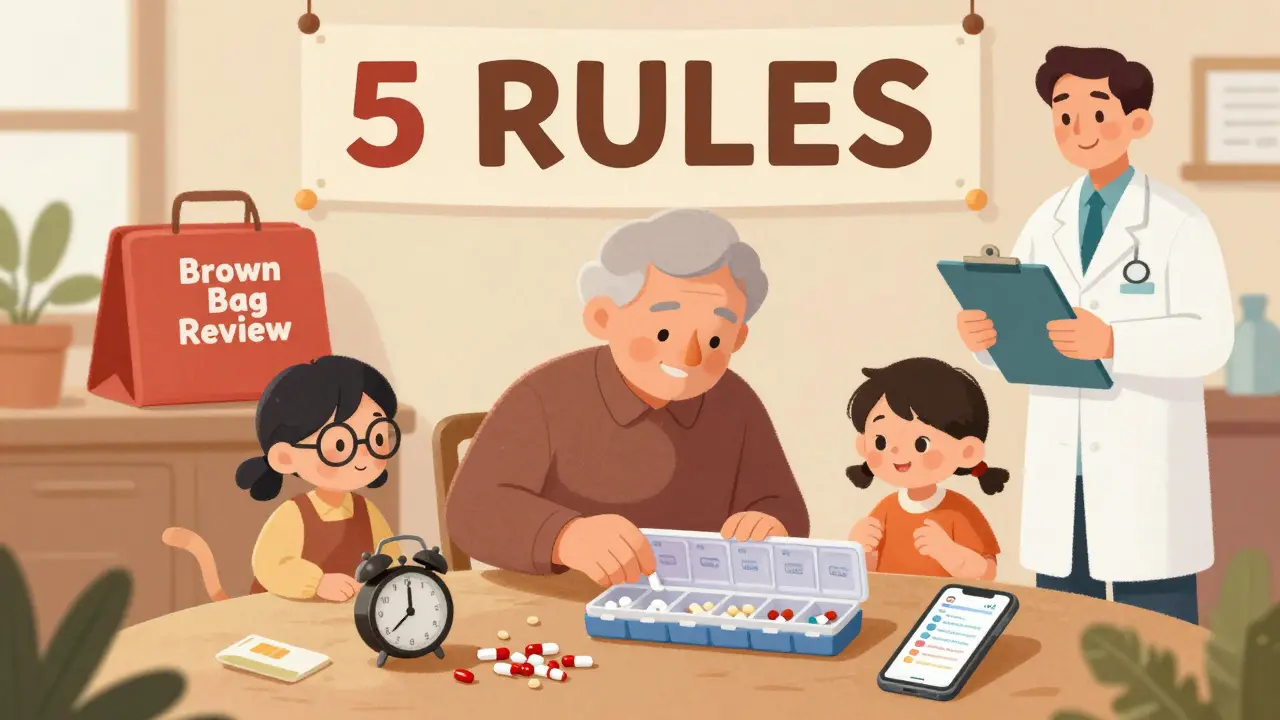
Beyond the Five: What Hospitals Do That You Should Too
Hospitals don’t stop at five rules. They add more. Right documentation. Right reason. Right response. You can do the same. Keep a written list of all your meds - including doses and why you take them. Update it every time your doctor changes something. Ask: "Why am I taking this?" If you can’t explain it in one sentence, you don’t fully understand it. Also, monitor your body. If you feel dizzy, nauseous, or unusually tired after starting a new drug, write it down. Call your doctor. Don’t wait. Many side effects show up in the first week. And if you’re on multiple drugs, ask about interactions. The FDA now requires standardized medication guides for over 200 high-risk drugs. Read them. They’re written in plain language. If your pharmacy doesn’t give you one, ask for it. Use tools like the WHO’s free mobile app for checking drug interactions. It’s available in 47 countries and used by over 1.2 million people.What to Do If You’re Still Confused
You’re not alone. Over 40% of adults need three or more strategies to manage their meds safely. Use a pill box. Set phone alarms. Ask a family member to help. Use a medication app like Medisafe or MyTherapy. Schedule a yearly medication review with your pharmacist - it’s free and often covered by insurance. If you’re over 65 or on five or more drugs, ask your doctor about deprescribing - safely reducing unnecessary pills. Many seniors take drugs that no longer help or even cause harm. A 2023 National Center for Health Statistics report found that 41% of older adults take medications that could be safely reduced. Don’t be afraid to ask: "Is this still necessary?"What should I do if I take the wrong dose?
Don’t panic. Call your pharmacist or doctor immediately. If you took too much, especially of a high-risk drug like insulin, warfarin, or an opioid, go to the ER. If you took too little, don’t double up next time. Ask what to do - it depends on the drug. Keep the medicine bottle and packaging handy when you call.
Can I skip a dose if I feel fine?
Only if your doctor or pharmacist says it’s okay. For antibiotics, blood pressure meds, or seizure drugs, skipping doses can make the condition worse or cause resistance. Even if you feel fine, the drug is still working. Never stop a prescription without talking to your provider.
Is it safe to take meds with alcohol?
Many drugs interact dangerously with alcohol. Painkillers like acetaminophen can damage your liver. Antidepressants can increase drowsiness. Blood thinners can raise bleeding risk. Always check the label or ask your pharmacist. If it says "avoid alcohol," don’t drink. Even one drink can be risky.
How do I know if a pill is expired?
Check the expiration date on the bottle or box. Most pills are safe for 1-2 years after that date if stored properly, but some - like insulin, nitroglycerin, or eye drops - lose effectiveness fast. If a pill looks discolored, crumbly, or smells odd, throw it out. Don’t risk it.
Why do I need to know my kidney function?
Your kidneys clear most drugs from your body. If they’re not working well, drugs build up and can become toxic. This is especially true for painkillers, diabetes meds, and antibiotics. Ask your doctor for a simple blood test (creatinine or eGFR) if you’re over 65 or have high blood pressure or diabetes. Knowing your kidney number helps your doctor choose the right dose.
If you’re managing medications at home, you’re your own best safety net. The five rules aren’t just hospital jargon - they’re practical tools anyone can use. Know your meds. Check every time. Ask questions. And don’t be afraid to speak up. Your life depends on it.