11
GLP-1 Side Effects: How to Manage Nausea, Dosing, and Realistic Expectations
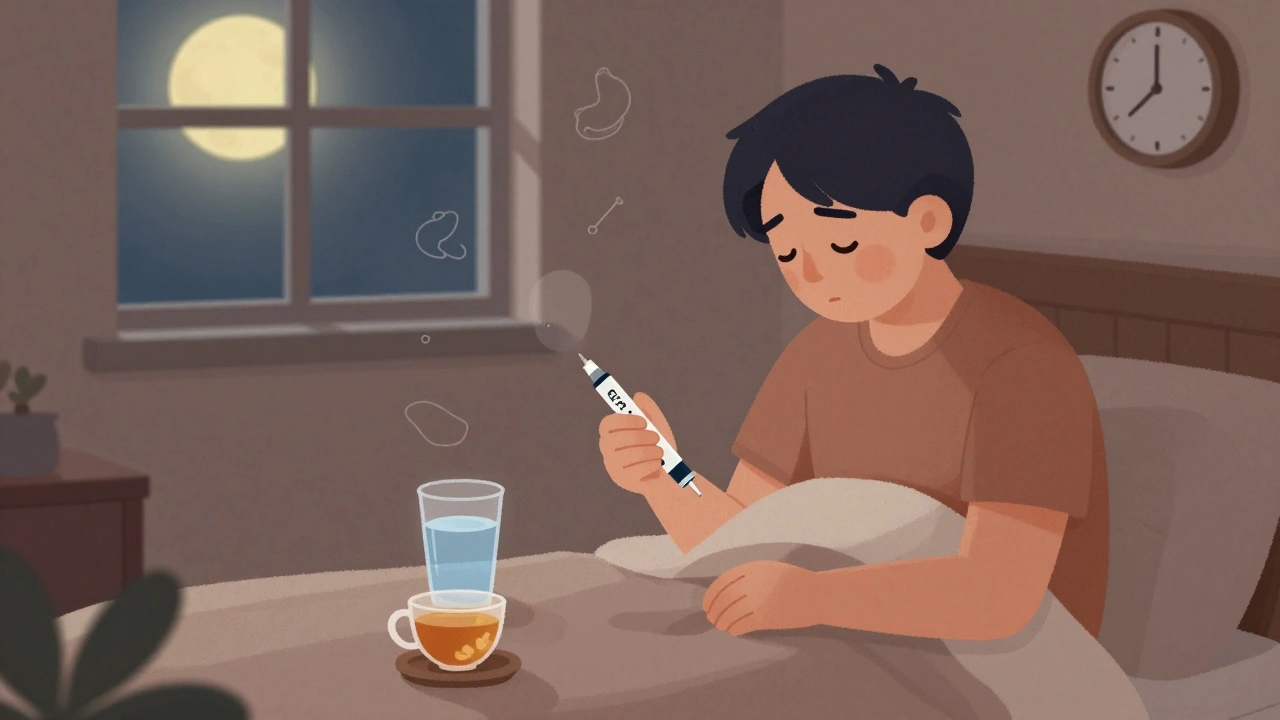
When you start a GLP-1 medication like Wegovy or Ozempic for weight loss, the first thing you’ll likely hear from your doctor is: "Nausea is common, but it usually gets better." That’s true-but it doesn’t make the first few weeks any easier. If you’ve been researching these drugs because you’re tired of yo-yo dieting, you’re not alone. Millions are trying them. But many quit before they ever see real results-not because the medicine doesn’t work, but because they weren’t prepared for how their body reacts.
Why GLP-1 Medications Cause Nausea
GLP-1 medications work by slowing down how fast your stomach empties. That’s not a bug-it’s the whole point. Slower digestion means you feel full longer, eat less, and your blood sugar stays steadier. But that same effect also means food sits in your stomach longer, which triggers nausea in a lot of people. It’s not random. Clinical trials show 20-30% of people get nausea at the starting dose, and that jumps to 30-45% when you reach the full dose. In real-world surveys, over 60% of users report nausea during the first month. The good news? Most of those people say it fades after 2-4 weeks at each dose level. The bad news? If you stop because of nausea, you’ll never get to the dose where the real weight loss happens.Dosing Schedules: Why Slow and Steady Wins
These drugs aren’t meant to be started at full strength. Every major GLP-1 has a carefully planned ramp-up schedule designed to let your body adjust. Skipping steps or rushing the process is the #1 reason people get severe nausea. Here’s what the actual dosing looks like for the most common options:- Wegovy (semaglutide for weight loss): Starts at 0.25 mg weekly. Increases every 4 weeks: 0.5 mg → 1 mg → 1.7 mg → 2.4 mg (max). Takes 17 weeks to reach full dose.
- Ozempic (semaglutide for diabetes): Starts at 0.25 mg weekly. Increases to 0.5 mg, then 1 mg. Max dose is 2 mg.
- Mounjaro (tirzepatide): Starts at 2.5 mg weekly. Increases every 4 weeks: 5 mg → 7.5 mg → 10 mg → 12.5 mg → 15 mg (max). Takes about 20 weeks to reach full dose.
- Victoza (liraglutide): Starts at 0.6 mg daily. Increases to 1.2 mg or 1.8 mg after at least one week.
Real Strategies to Cut Nausea (Backed by Patients and Doctors)
You don’t have to suffer through weeks of nausea. There are proven ways to reduce it. Here’s what actually works, based on patient reports and medical guidance:- Take it at bedtime. A Cleveland Clinic survey found 63% of users had less nausea when they injected right before sleep. Your body’s less active, and you’re not thinking about food.
- Eat smaller, more frequent meals. Three big meals? Bad idea. Try five small ones. Avoid large portions, especially at dinner.
- Avoid high-fat and fried foods. These slow your stomach even more-making nausea worse. Stick to lean protein, veggies, and complex carbs.
- Drink water, but not with meals. Sip water between meals, not during. Drinking while eating fills your stomach faster and triggers nausea.
- Try ginger. Ginger tea, ginger chews, or ginger capsules helped 78% of patients in a National Obesity Society survey. It’s a natural anti-nausea agent.
- Don’t force yourself to eat if you’re nauseous. Fasting for a day or two won’t hurt. Your body will still use stored fat. Just keep sipping water and wait it out.

When to Pause or Stop
Nausea isn’t always just a side effect. Sometimes, it’s a warning sign. If you have:- Severe vomiting that lasts more than 24 hours
- Significant dehydration (dark urine, dizziness, dry mouth)
- Unexplained weight loss beyond what’s expected
- Abdominal pain that doesn’t go away
What to Expect in the First 8 Weeks
Most people expect to lose 5-10 pounds in the first month. That’s not realistic. In clinical trials, people lost only 2-3% of their body weight in the first 8 weeks. That’s about 4-6 pounds for someone who weighs 200. The real weight loss kicks in after you hit your maintenance dose-usually around weeks 16-20. That’s when people start losing 1-2 pounds per week consistently. If you quit at week 10 because you "haven’t lost anything," you’re quitting before the medicine even starts working.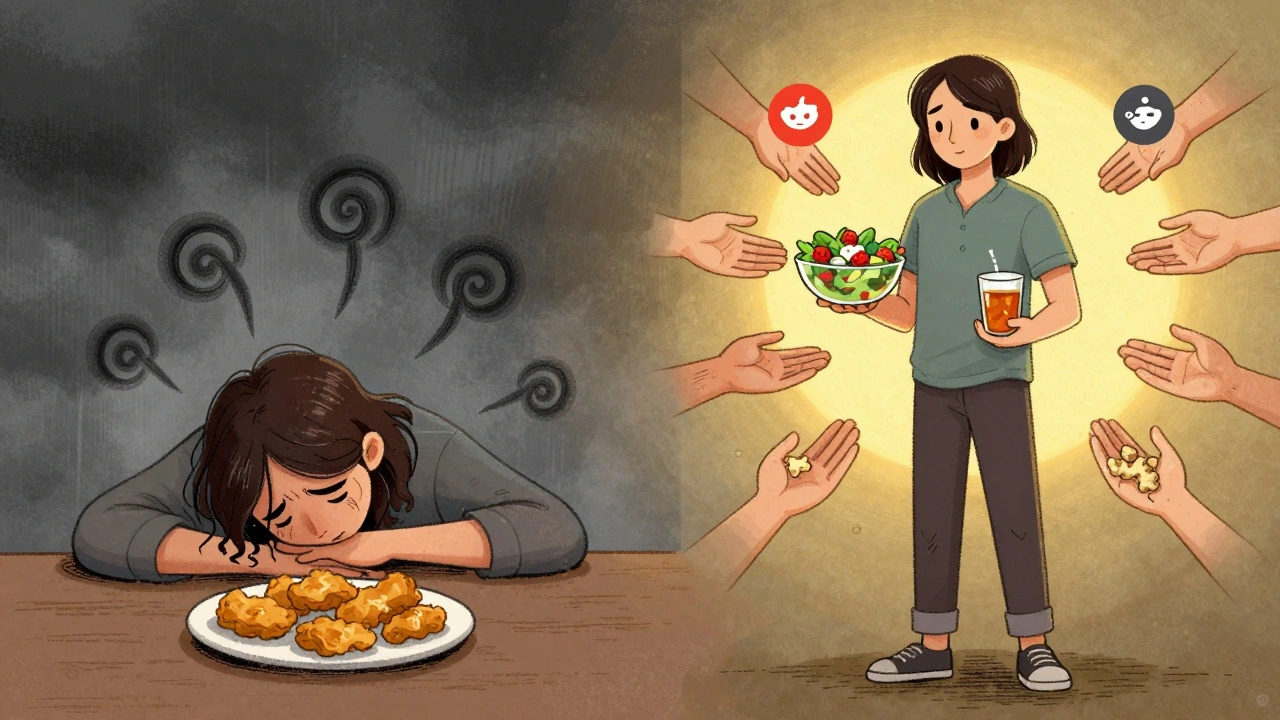
Long-Term Outlook: Is It Worth It?
The numbers don’t lie. In the STEP trial, people on Wegovy lost an average of 14.9% of their body weight in 68 weeks. In the SURMOUNT-2 trial, tirzepatide (Mounjaro) led to 20.9% weight loss at the highest dose. That’s not "a few pounds." That’s life-changing. And it’s not just about looks. A 2023 study in the New England Journal of Medicine showed semaglutide reduced major heart events by 20% in non-diabetic people with obesity. That’s a big deal. But it’s not easy. You’ll need patience, discipline, and a good support system. Many people succeed because they join online communities-Reddit’s r/semaglutide has over 150,000 members sharing tips. Others use telehealth programs like Wegovy Support or Mounjaro Care for personalized coaching.What About the Cost and Supply?
These drugs cost $9,000-$13,000 a year without insurance. Many insurers now cover them for obesity, but not all. The FDA has listed Wegovy and Ozempic on its drug shortage list for over a year. Some people turn to compounded versions online-but the FDA warns these aren’t regulated and could be unsafe. An oral version of semaglutide is expected in 2025. Early data suggests it may cause less nausea than injections. That could change everything.Final Thought: This Isn’t a Quick Fix. It’s a Lifestyle Shift.
GLP-1 medications aren’t magic pills. They’re tools. They work best when paired with better eating habits, movement, and sleep. If you’re looking for a shortcut, you’ll be disappointed. But if you’re ready to make lasting changes-and you’re willing to ride out the nausea-these drugs can give you back control of your health. Don’t quit because you feel sick. Quit because you’ve tried everything and it’s not right for you. The difference matters.How long does GLP-1 nausea last?
Nausea usually peaks in the first 2-4 weeks at each new dose level. For most people, it improves significantly after 4-6 weeks at a stable dose. By the time you reach your maintenance dose (around week 16-20), 70-80% of users report nausea is gone or very mild.
Can I take GLP-1 medications with food?
Yes, you can take them with or without food. But if you’re experiencing nausea, it’s better to take them on an empty stomach or with a very light snack. Avoid large, fatty, or fried meals right after injection.
Is it safe to skip a dose if I feel nauseous?
Skipping one dose won’t hurt, but don’t make it a habit. If nausea is severe, contact your doctor. They may advise you to stay at your current dose longer before increasing. Never double up to make up for a missed dose.
Do all GLP-1 drugs cause the same side effects?
They all cause nausea, vomiting, and constipation, but the rates vary. Tirzepatide (Mounjaro) tends to cause slightly more nausea than semaglutide (Wegovy/Ozempic), but it also leads to greater weight loss. Liraglutide (Victoza) has lower rates of nausea but requires daily injections.
Can I drink alcohol while on GLP-1 medication?
You can, but it’s not recommended, especially early on. Alcohol can worsen nausea and dehydrate you. It also lowers blood sugar, which can be risky if you’re also taking other diabetes meds. If you do drink, keep it light and never on an empty stomach.
What if my nausea doesn’t improve after 8 weeks?
Talk to your doctor. You may need to pause dose increases, switch to a different GLP-1, or explore other weight management options. Persistent nausea could mean your body isn’t tolerating the drug, and forcing it won’t help.
Are there alternatives to injections?
Yes-an oral version of semaglutide (Rybelsus) is already approved for type 2 diabetes and may be approved for weight loss by 2025. Early data suggests it causes less nausea than injections. For now, injections are the only option for Wegovy and Mounjaro.





Donna Anderson
December 13, 2025 AT 00:14Lawrence Armstrong
December 14, 2025 AT 08:35Levi Cooper
December 16, 2025 AT 01:25sandeep sanigarapu
December 17, 2025 AT 04:26Audrey Crothers
December 18, 2025 AT 19:17Laura Weemering
December 20, 2025 AT 02:15Rob Purvis
December 20, 2025 AT 06:53Reshma Sinha
December 22, 2025 AT 01:50Nathan Fatal
December 22, 2025 AT 16:46Robert Webb
December 23, 2025 AT 03:42Stacy Foster
December 24, 2025 AT 12:27Ashley Skipp
December 26, 2025 AT 04:45nikki yamashita
December 27, 2025 AT 06:22