4
OTC Heartburn Medications: Antacids, H2 Blockers & PPIs Explained
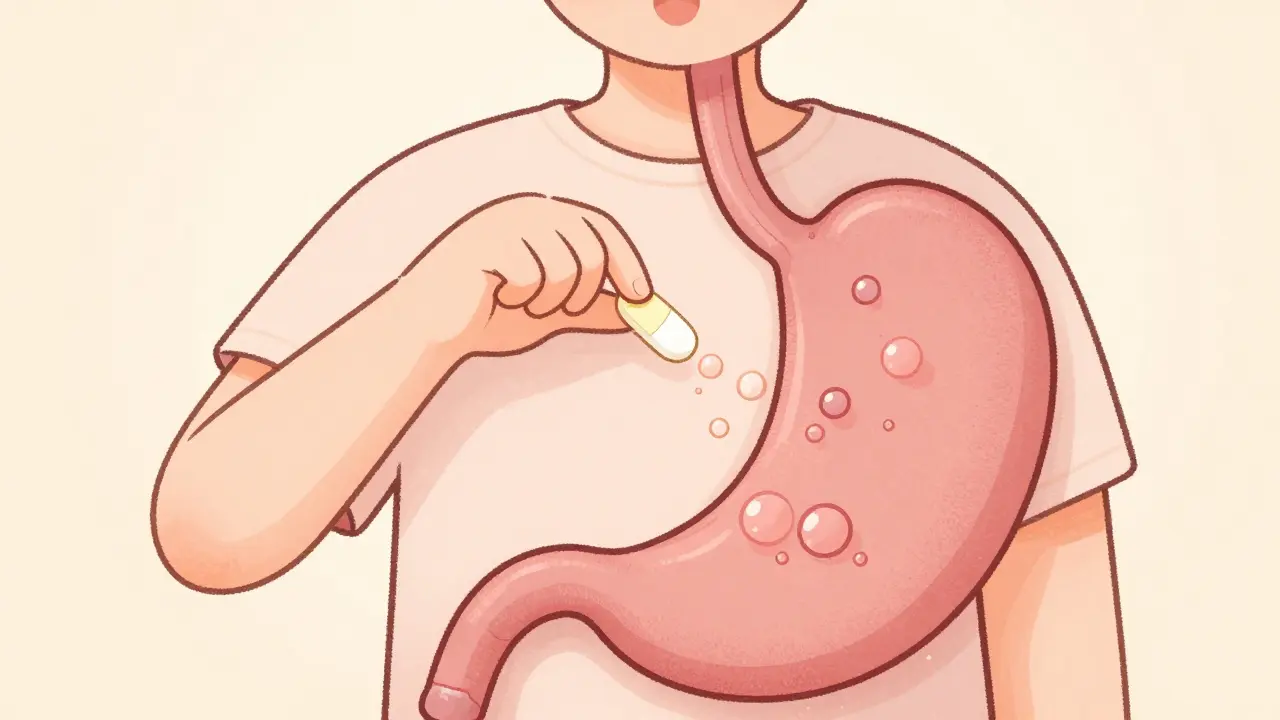
Every month, 60 million Americans deal with heartburn. For 15 million, it’s a daily struggle. Before grabbing any OTC heartburn medications, understanding how these treatments work-and when to use them-is key to safe relief. Let’s break down the three main types: antacids, H2 blockers, and proton pump inhibitors (PPIs).
Antacids: Quick Relief for Occasional Heartburn
Antacids like Tums (calcium carbonate) or Milk of Magnesia (magnesium hydroxide) neutralize stomach acid instantly. They start working in 30-120 seconds but last only 30-60 minutes. Perfect for a one-time heartburn after a spicy meal. However, they’re useless for frequent issues. Calcium carbonate can cause constipation, while magnesium hydroxide might lead to diarrhea. Some antacids contain aluminum, which can interact with other medications. The FDA recommends taking antacids at least two hours apart from other drugs to avoid interference. For example, taking Tums with your iron pill could make the iron less effective. A 2022 FDA labeling guideline showed antacids reduce absorption of antibiotics or blood thinners if taken together.
H2 Blockers: Preventing Heartburn Before It Starts
Medications like Pepcid AC (famotidine) and Tagamet HB (cimetidine) block histamine receptors to reduce acid production. They take 30-60 minutes to kick in but last 8-12 hours. Ideal if you know you’ll eat something triggering heartburn-take it before the meal. However, their effectiveness drops after two weeks of regular use. A 2021 study in Alimentary Pharmacology & Therapeutics found H2 blockers lose about 30% of their effectiveness after 14 days. They also interact with warfarin (blood thinner) and phenytoin (seizure medication). The FDA issued a safety warning in 2019 about these interactions. For instance, taking Pepcid with warfarin increases bleeding risk. Always check with a pharmacist if you’re on other medications.
PPIs: Long-Term Relief for Frequent Symptoms
Proton pump inhibitors like Prilosec OTC (omeprazole) and Nexium 24HR (esomeprazole) block acid production at the source. They take 24-72 hours to reach full effect but provide all-day relief. Best for frequent heartburn (two or more days a week). However, they’re meant for short-term use-14 days max without a doctor’s advice. Long-term use increases risks like vitamin B12 deficiency (1.5x higher after 2+ years), magnesium deficiency, and Clostridium difficile infections. The FDA has issued warnings about these risks. A 2023 Johns Hopkins study found 23% higher risk of chronic kidney disease with over a year of daily PPI use. PPIs must be taken before food-ideally 30-60 minutes before breakfast. Taking them with orange juice destroys the enteric coating, making them useless.
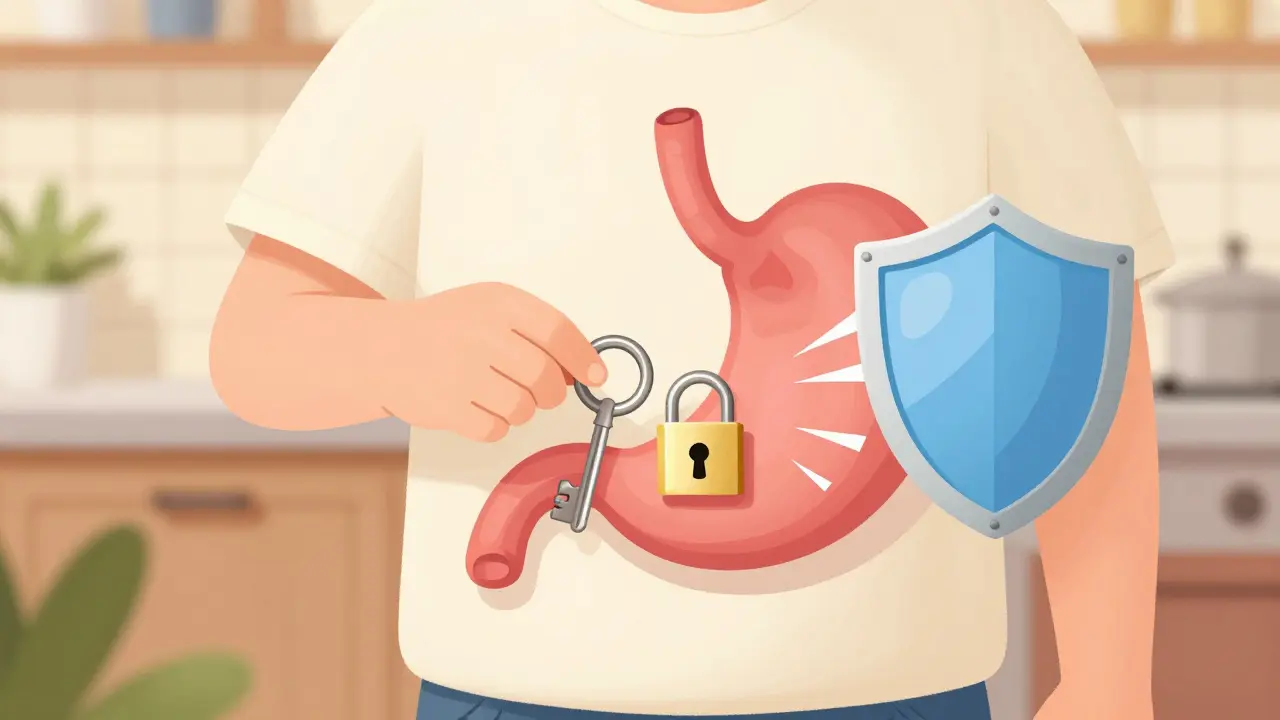
How OTC Heartburn Medications Compare
| Medication Type | How It Works | Onset Time | Duration | Best For | Limitations |
|---|---|---|---|---|---|
| Antacids | Neutralize stomach acid | 30-120 seconds | 30-60 minutes | Occasional heartburn (less than once a week) | Short relief only; may cause rebound acid |
| H2 Blockers | Block histamine receptors | 30-60 minutes | 8-12 hours | Predictable heartburn (1-2 times weekly) | Less effective after two weeks of use |
| PPIs | Block acid production pump | 24-72 hours for full effect | 24-hour coverage | Frequent heartburn (≥2 days weekly) | Not for immediate relief; max 14 days without doctor |
When to See a Doctor
OTC medications are great for occasional heartburn, but they’re not a cure-all. If symptoms persist after two weeks of OTC treatment, or if you experience chest pain, trouble swallowing, or unexplained weight loss, see a doctor immediately. These could signal something more serious like GERD or even heart problems. Also, if you’re pregnant, breastfeeding, or taking other medications (like blood thinners), talk to your healthcare provider before using OTC heartburn meds. The FDA’s 2022 Drug Safety Communication warns that long-term PPI use without medical supervision increases risks of bone fractures and kidney issues.
Common Mistakes to Avoid
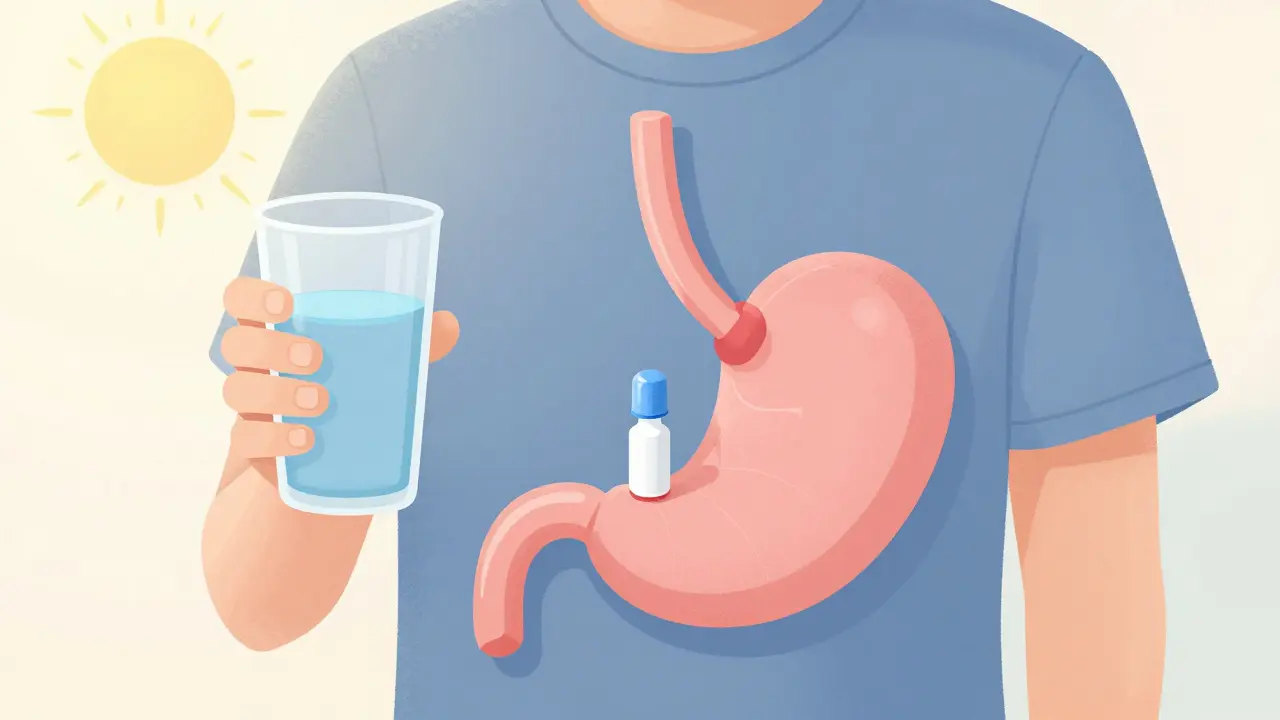
Many people make simple mistakes with OTC heartburn meds. Taking PPIs with orange juice? That destroys the enteric coating, making them useless. H2 blockers work best when taken before meals, not after symptoms start. Using antacids daily for chronic heartburn? They can cause rebound acid production, making things worse. The FDA warns that 43% of OTC PPI users exceed the recommended 14-day limit, increasing risks like vitamin deficiencies or bone fractures. A 2023 Johns Hopkins study found 23% higher risk of chronic kidney disease with over a year of daily PPI use. Also, some people take antacids too close to other medications, which can interfere with absorption. The FDA recommends waiting at least two hours between antacids and other drugs.
Frequently Asked Questions
Can I take antacids with PPIs?
Yes, but timing matters. Take PPIs 30-60 minutes before breakfast for best effect. If you need extra relief later, antacids can be used as a supplement. However, don’t take antacids within two hours of other medications. The FDA recommends this separation to avoid interference with drug absorption.
How long can I safely use PPIs?
OTC PPIs are meant for 14 days max. If symptoms persist after that, see a doctor. Long-term use without medical supervision increases risks like vitamin deficiencies and kidney issues. The FDA’s 2023 labeling update requires explicit warnings about these risks on all OTC PPI packaging.
Are H2 blockers better than PPIs for nighttime heartburn?
Yes, according to Dr. David Johnson’s 2021 review, H2 blockers like famotidine reduce nighttime acid by 75% compared to PPIs’ 58%. Taking an H2 blocker before bed can help with nocturnal symptoms. A 2021 Alimentary Pharmacology & Therapeutics study confirmed this difference in effectiveness for overnight acid control.
Why does my antacid stop working after a few days?
Calcium carbonate antacids can cause rebound acid hypersecretion in 30% of users within 2-3 hours. This means your stomach produces more acid after the antacid wears off, worsening symptoms. Switching to an H2 blocker or PPI for frequent heartburn is better. The FDA’s 2022 guidelines note this rebound effect is common with calcium-based antacids.
What’s the safest OTC heartburn medication?
For occasional heartburn, antacids are safest with minimal side effects. For frequent heartburn, PPIs are effective but only for short-term use. H2 blockers are a middle ground. Always follow label instructions and consult a doctor for persistent symptoms. The American Gastroenterological Association’s 2022 guidelines recommend antacids for mild, infrequent heartburn (less than once weekly), H2 blockers for predictable episodes (1-2 times weekly), and PPIs only for frequent heartburn (≥2 days weekly) with strict 14-day limits.




Carl Crista
February 4, 2026 AT 17:23PPIs are a scam.
Cullen Bausman
February 5, 2026 AT 15:27Americans must stop self-medicating. This is why healthcare is failing. Strict regulations needed.
Lisa Scott
February 5, 2026 AT 23:53PPIs cause kidney failure. The studies are buried. FDA is complicit. Read the data yourself.
Danielle Vila
February 7, 2026 AT 00:09Oh my gosh, the FDA is in cahoots with Big Pharma! They're hiding the truth about PPIs causing all sorts of damage. You think they care about you? No way! They just want your money. Wake up people!
Dina Santorelli
February 8, 2026 AT 22:50Yeah but doctors don't tell you about the real risks. They just push pills. You'll see.
Cole Streeper
February 9, 2026 AT 00:30The FDA is a corrupt agency. They're letting pharma poison us. We need to protest. This isn't just about heartburn it's about survival.
Thorben Westerhuys
February 10, 2026 AT 19:42I've been taking PPIs for years, and now my kidneys are failing! The FDA knew this was happening but did nothing! It's a disaster! What are they waiting for?!
Elliot Alejo
February 10, 2026 AT 19:46I think we need to push for better education on OTC meds. People don't understand the risks. We should work together to fix this.
Joyce cuypers
February 12, 2026 AT 15:02I've been using antacids for years and they work great for me. But I think we need to be carful with PPIs. Maybe check with a doctor first.
Tehya Wilson
February 12, 2026 AT 20:13This is why OTC meds are dangerous. The FDA should not allow these without prescription. It's obvious.
Phoebe Norman
February 13, 2026 AT 18:41H2 blockers are less effective after two weeks per the 2021 study. PPIs have long term risks. Need more research.
Nancy Maneely
February 14, 2026 AT 06:23OMG you guys are so right! Big pharma is killin us all. I can't believe the FDA lets this happen. Americans need to wake up!
Albert Lua
February 15, 2026 AT 17:43In my country we don't have OTC heartburn meds like this. It's all prescription. Maybe we should learn from them.
Laissa Peixoto
February 16, 2026 AT 20:41Heartburn is often a symptom of deeper issues.
Medications treat the symptom but not the cause.
We need to address lifestyle factors.
Many people ignore the root causes like diet, stress, and obesity.
It's easy to pop a pill but that doesn't solve the problem.
Chronic heartburn can lead to serious conditions like Barrett's esophagus.
The FDA warnings are there for a reason.
Long-term PPI use has been linked to kidney disease, bone fractures, and infections.
But doctors don't always explain this.
People think OTC meds are safe because they're available without prescription.
However, they can have serious side effects.
You should consult a doctor before using them long-term.
Lifestyle changes like avoiding spicy foods, eating smaller meals, and not lying down after eating can help.
Also, weight loss can reduce heartburn symptoms significantly.
It's important to remember that medications are not a cure-all.
We need to take responsibility for our health.