1
Extended Use Dates: How the FDA Extends Drug Expiration Dates During Shortages
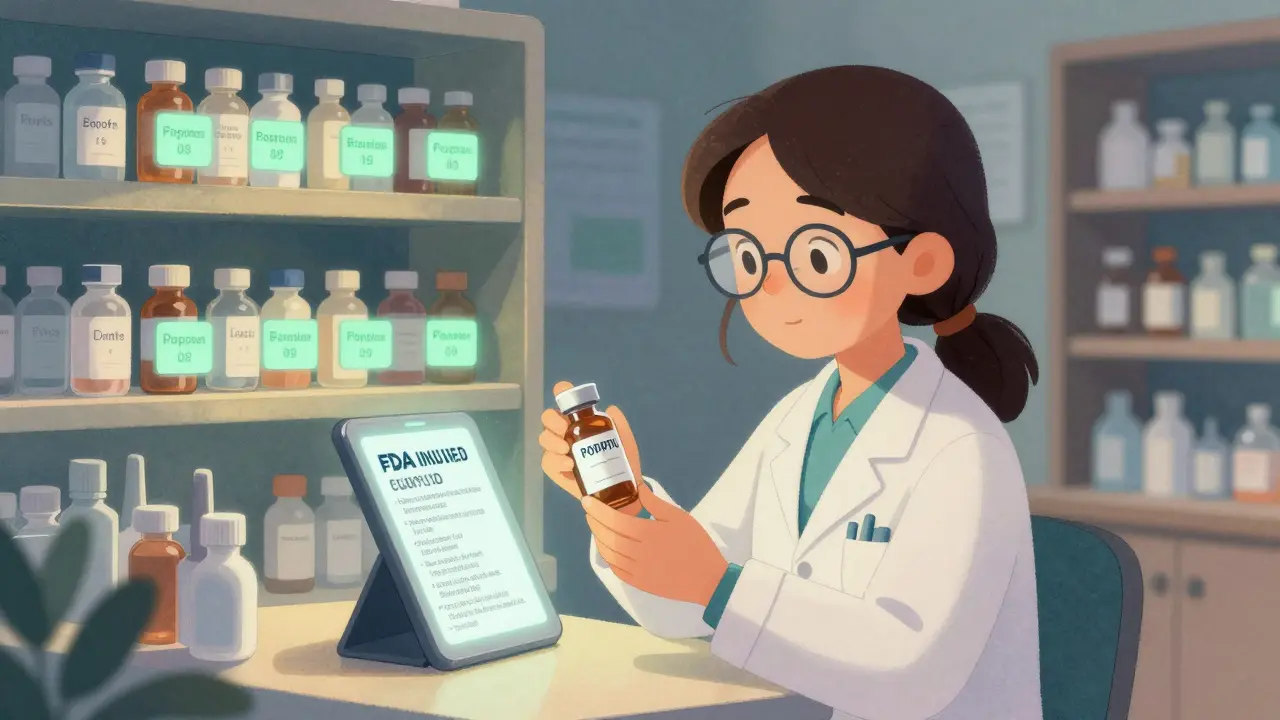
When a life-saving drug runs out, hospitals don’t just wait for more to arrive. They turn to something most people never think about: extended expiration dates. The FDA doesn’t just let drugs sit on shelves past their printed date. It actively approves longer use dates for specific lots when shortages hit-sometimes adding a full year or more. This isn’t a loophole. It’s a carefully controlled, science-backed safety net.
Why Do Drugs Go Short?
Drug shortages aren’t random. They happen because manufacturing gets disrupted. A single factory might make 90% of a certain injectable antibiotic. If that factory has a quality issue, contamination, or a power outage, supply vanishes overnight. The FDA defines a shortage as when demand exceeds supply. In 2025, over 340 drugs were on the official shortage list, with many of them critical for emergency care, cancer treatment, or anesthesia.Some of the most common drugs affected include propofol for sedation, epinephrine for allergic reactions, and IV fluids like saline and dextrose. These aren’t optional meds-they’re used in every hospital, every day. When they disappear, doctors scramble. That’s where expiration date extensions come in.
How the FDA Approves Longer Expiration Dates
The FDA doesn’t guess. It requires hard data. Manufacturers must submit stability studies showing the drug still meets strict standards: it hasn’t lost strength, hasn’t broken down into harmful substances, and still looks and acts like it should. These aren’t quick tests. They’re long-term studies-sometimes years-tracking how the drug holds up under heat, light, and humidity.Once the FDA reviews the data and confirms safety, they approve an extension. Most common? One extra year. But it varies. In late 2024, the FDA allowed certain Baxter IV solutions to be used up to 24 months after manufacture. That’s double the original shelf life. Other examples include Meperidine injection extended from September 2025 to January 2026, and Ethiodized oil from December 2025 to March 2026.
Not every drug gets this. Only those deemed critical-where no good alternative exists. A painkiller? Maybe not. An anesthetic used during heart surgery? Absolutely. The FDA prioritizes based on clinical need, not just popularity.
What’s Actually Extended? Lots, Not Brands
This is where things get tricky. The extension doesn’t apply to the whole product line. It’s specific to one lot number. That means a hospital can’t just use any bag of propofol past its date. They have to check the exact lot number against the FDA’s public list.For example, if a hospital has 10 vials of Dantrolene sodium from Lot HN8657, and that lot is on the FDA’s extended list, they can use those vials until the new date. But if another vial from Lot HN8658 isn’t listed? It’s expired-no exceptions.
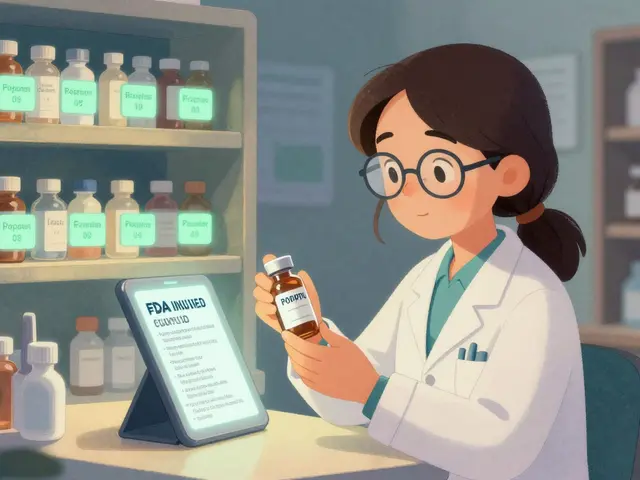
The FDA doesn’t require manufacturers to relabel these vials. So pharmacies and nurses must cross-reference the lot number with the official FDA table. Mistakes can happen. That’s why hospitals now train staff on checking these lists and updating pharmacy software to flag extended lots automatically.

Which Drugs Get Extended the Most?
Some categories show up again and again on the extended dates list. Propofol leads the pack-used in over 10 million procedures a year in the U.S. Without it, surgeries stall. Epinephrine is next. If someone goes into anaphylactic shock and the only epinephrine auto-injector available is expired, the FDA’s extension can mean the difference between life and death.Other frequent entries include:
- IV fluids (saline, dextrose, lactated Ringer’s)
- Antibiotics like vancomycin and cefazolin
- Anesthetics like lidocaine and ketamine
- Emergency drugs like norepinephrine and dopamine
These aren’t trendy meds. They’re the backbone of emergency and critical care. When they’re gone, the system grinds to a halt.
How This Program Started and Grew
The FDA didn’t always have this power. Before 2012, manufacturers only had to report if they were permanently stopping a drug. If a factory had a temporary problem, no one had to say anything. The FDA wouldn’t know a shortage was coming until it was already here.The Food and Drug Administration Safety and Innovation Act (FDASIA) changed that. Now, companies must report any potential shortage-even if it’s just a 3-month delay. That gives the FDA time to step in. They can work with the manufacturer to fix the issue, speed up inspections, or approve an expiration extension.
Then came PAHPRA in 2013, which gave the FDA even more authority to extend dates for medical countermeasures-drugs stockpiled for bioterrorism or pandemics. In July 2024, Tamiflu and Relenza got extended expiration dates after the HHS Secretary declared a public health emergency. That’s how this system works: it scales to the threat.
What Hospitals and Pharmacies Must Do
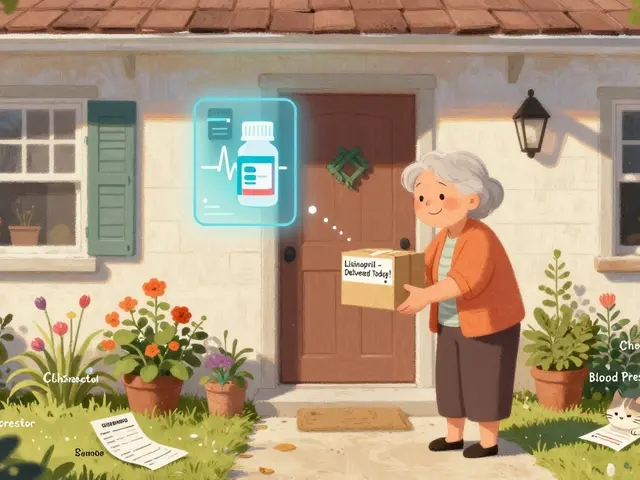
This isn’t just an FDA problem-it’s a frontline one. Hospitals have to track which lots are extended. They have to train staff. They have to update inventory systems. One wrong vial given to a patient could be dangerous.The American Hospital Association sends out bulletins when major extensions are approved. In October 2024, they warned hospitals about the Baxter IV solution extension. That’s how the information flows: FDA → AHA → Hospitals → Pharmacies → Nurses.
Pharmacists now check the FDA’s Drug Shortages Database daily. It’s updated every 24 hours. They look for new extensions, new shortages, or resolved issues. If a lot is removed from the list, it means new supply has arrived-and those extended lots must be pulled from use.
There’s no room for guesswork. The FDA is clear: if replacement product becomes available, the extended lots must be disposed of properly. This isn’t a permanent fix. It’s a bridge.

What This Means for Patients
Patients don’t usually know about these extensions. But they benefit from them every day. A child getting chemo. An elderly person on dialysis. A trauma patient in the ER. All of them rely on drugs that might have been out of stock-if not for these extensions.Doctors are told to use alternatives if they’re safe and effective. But sometimes, there’s no alternative. A patient with a severe allergy can’t switch to a different epinephrine formulation. A cancer patient might be allergic to every other version of a chemotherapy drug. In those cases, the extended-date drug is the only option.
The FDA stresses that patient safety comes first. They don’t extend dates unless the data proves it’s safe. And they monitor outcomes. If any safety issues arise from an extended lot, they pull the approval immediately.
Is This a Permanent Solution?
No. And that’s the point.Expiration date extensions are a stopgap. They buy time. They keep hospitals running while manufacturers fix production issues, build new lines, or find alternative suppliers. But they don’t fix the root causes: single-source manufacturing, low profit margins on generic drugs, and fragile global supply chains.
As pandemic-related disruptions ease, some shortages have cleared. But new ones keep popping up-like the ongoing IV fluid shortage. The FDA’s strategy now focuses on prevention: early warnings, better manufacturing oversight, and encouraging more companies to enter the generic drug market.
But for now, the expiration date extension program remains one of the most effective tools in the FDA’s toolbox. It’s not flashy. It doesn’t make headlines. But every day, it keeps hospitals stocked, doctors prepared, and patients alive.
Where to Find the Official List
The FDA’s Drug Shortages Database is public and updated daily. You can find it at fda.gov/drugshortages. The list includes:- Current shortages
- Extended expiration dates by lot number and NDC
- Resolved shortages (kept for 6 months)
- Discontinued products (kept for 1 year)
Healthcare providers are encouraged to bookmark the page. Nurses, pharmacists, and administrators should check it at least once a week. A single update can change how a hospital manages its inventory for weeks.