4
Pharmacist Recommendations: When to Suggest Authorized Generics
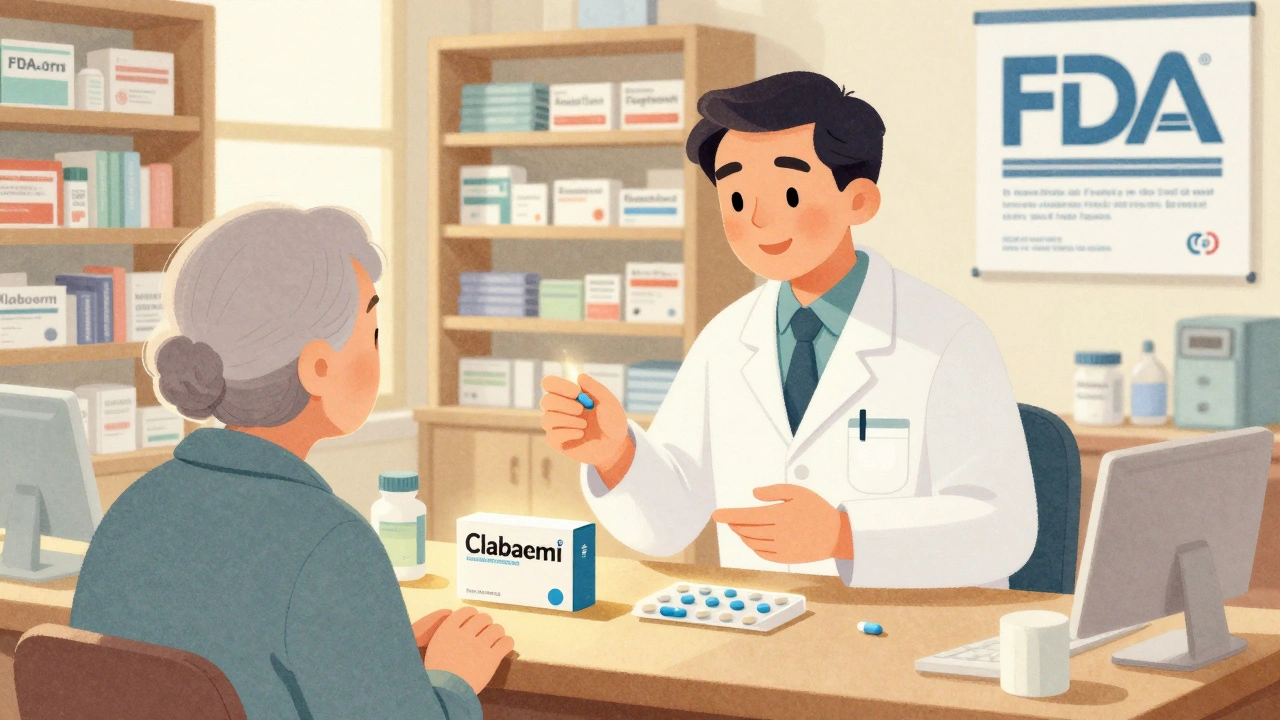
When a patient walks into the pharmacy with a prescription for a brand-name drug, the pharmacist’s job isn’t just to fill it - it’s to make sure the patient gets the right medication at the right price, without compromising safety or effectiveness. One of the most underused tools in this process is the authorized generic. Many patients don’t know they exist. Even some pharmacists overlook them. But when used correctly, authorized generics can be the best choice for patients who need the exact same drug as the brand, without the brand price tag.
What Exactly Is an Authorized Generic?
An authorized generic is not a copy. It’s not a look-alike. It’s the exact same pill, capsule, or liquid that comes in the brand-name box - made by the same company, with the same active ingredients, the same inactive ingredients, the same manufacturing process. The only difference? It doesn’t have the brand name on the label. For example, if a patient is prescribed Lipitor (atorvastatin), the authorized generic is made by Pfizer, the same company that makes Lipitor, but sold under a different label - maybe as "Atorvastatin Calcium" without the blue logo. It’s the same tablet, same fillers, same coating. The FDA defines it clearly: an authorized generic is a listed drug approved under the same New Drug Application (NDA) as the brand, just marketed under a different name or label. This is different from regular generics. Regular generics must prove they’re bioequivalent to the brand through testing, but they can - and often do - use different inactive ingredients. That’s fine for most people. But for some, those differences matter.When to Recommend Authorized Generics: Three Key Scenarios
Not every patient needs an authorized generic. But there are specific situations where it’s not just a good idea - it’s the safest, most effective option.1. Patients With Allergies or Dietary Restrictions
Regular generics often change inactive ingredients to cut costs. That might mean swapping out corn starch for wheat starch, or using gelatin capsules instead of vegetarian ones. For patients with celiac disease, lactose intolerance, or religious dietary needs (like avoiding animal-derived gelatin), these changes can be dangerous or unacceptable. An authorized generic eliminates that risk. Because it uses the same inactive ingredients as the brand, if the brand was safe for the patient, the authorized generic is too. A patient who had no reaction to the brand-name drug but developed stomach pain after switching to a regular generic? The culprit might be a new filler. Switching to the authorized generic often resolves it.2. Narrow Therapeutic Index (NTI) Drugs
Some medications have a very narrow window between being effective and being toxic. Warfarin, levothyroxine, phenytoin, and lithium fall into this category. Even tiny differences in how the body absorbs the drug can lead to serious consequences - blood clots, thyroid dysfunction, seizures. While regular generics must meet FDA bioequivalence standards, those standards don’t always capture subtle differences in release patterns or absorption, especially with extended-release formulations. Studies show that 3-5% of patients on NTI drugs experience problems after switching to a regular generic. Authorized generics avoid this entirely because they’re identical to the brand.3. When Patients Report Reduced Effectiveness or New Side Effects
A 2021 survey of 1,200 community pharmacists found that 12% of patients reported unexpected side effects or reduced effectiveness after switching to a regular generic. Often, these patients were switched automatically, without discussion. If a patient says, "This isn’t working like it used to," or "I feel different since I got this new pill," don’t assume it’s all in their head. Check if an authorized generic is available. Many times, switching back to the exact same formulation - just without the brand name - restores stability.How to Spot an Authorized Generic
You can’t tell just by looking at the pill. A blue authorized generic tablet might look nothing like the white brand-name version. But here’s how to verify it:- Check the FDA’s quarterly list of authorized generics - updated every three months and publicly available.
- Look at the National Drug Code (NDC). The labeler code (first part of the NDC) should match the brand manufacturer (e.g., Pfizer, Merck) or an authorized licensee like Prasco or Greenstone - not a typical generic company like Teva or Mylan.
- Ask your wholesaler. Some authorized generics are only distributed through specific suppliers like AmerisourceBergen or Cardinal Health.
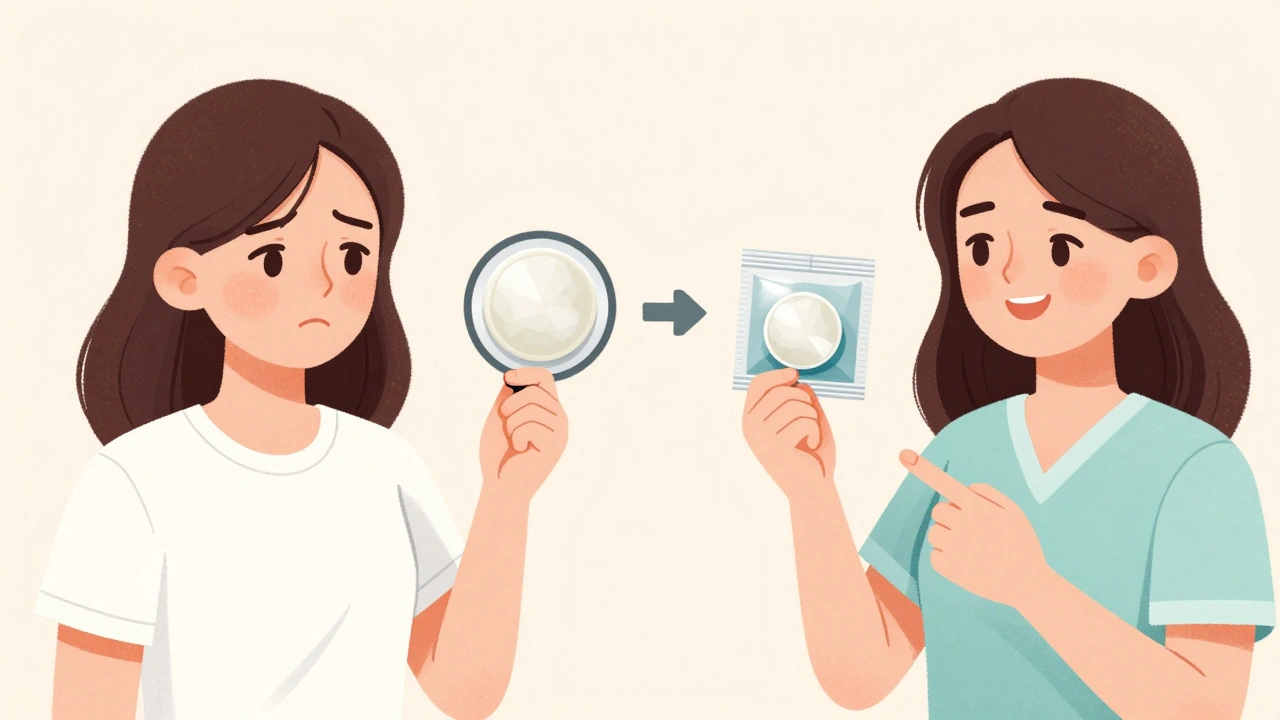
Insurance and Cost: The Hidden Catch
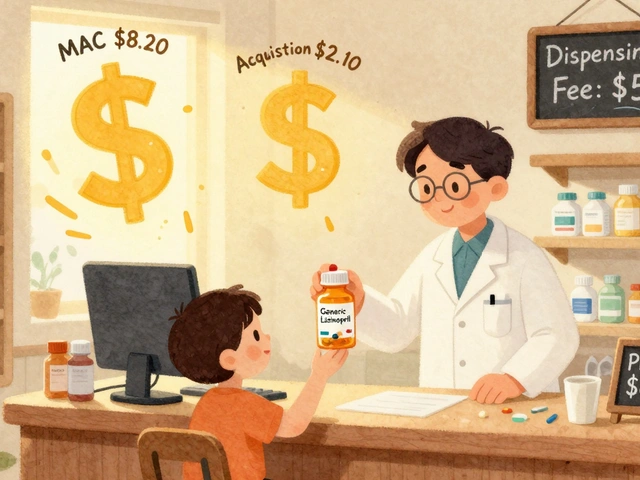
Here’s the tricky part: even though authorized generics are chemically identical to the brand, many pharmacy benefit managers (PBMs) treat them as brand-name drugs for pricing. A 2022 study found that 63% of PBMs put authorized generics in the brand-tier formulary. That means a patient might pay $50 for an authorized generic - when the brand costs $55 - instead of $10 for a regular generic. That defeats the purpose. But here’s the upside: authorized generics still cost 20-80% less than the brand-name version. That’s far more than most patient assistance programs offer. If the patient’s insurance doesn’t cover it as a generic, ask if they’ll accept a prior authorization based on medical necessity - especially if they have a history of intolerance to regular generics.What You Need to Tell Patients
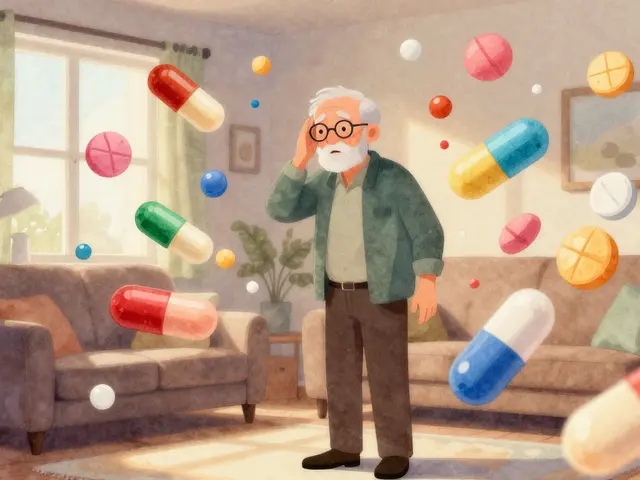
Patients get confused when their medication looks different. A 2022 study found that 27% of patients stopped taking their medication after a change in pill appearance - even if it was the exact same drug. Always explain:- "This is the same medicine as your brand, just without the brand name on it."
- "The inside of the pill is identical - same active ingredient, same fillers, same everything."
- "It’s cheaper than the brand, and safer than other generics if you’ve had issues before."
- "If you’ve ever had a reaction to a different generic, this one won’t cause it because it’s the same formula."
Legal and Regulatory Considerations
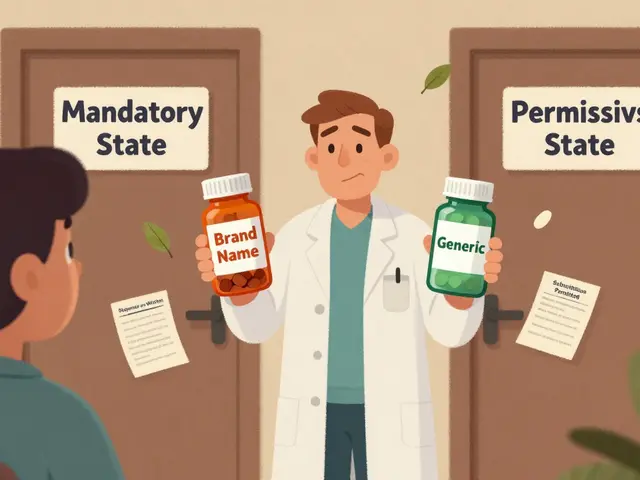
In most states, pharmacists can substitute a brand-name drug with an authorized generic without asking the prescriber - unless the prescription says "Do Not Substitute." But rules vary. Eighteen states require prescriber notification for any generic substitution, including authorized generics. Always check your state’s pharmacy board guidelines. Document the substitution properly. Use the correct modifier codes (like DA for drug substitution) in billing systems. Keep records showing the authorized generic is therapeutically equivalent - which it is, by FDA definition.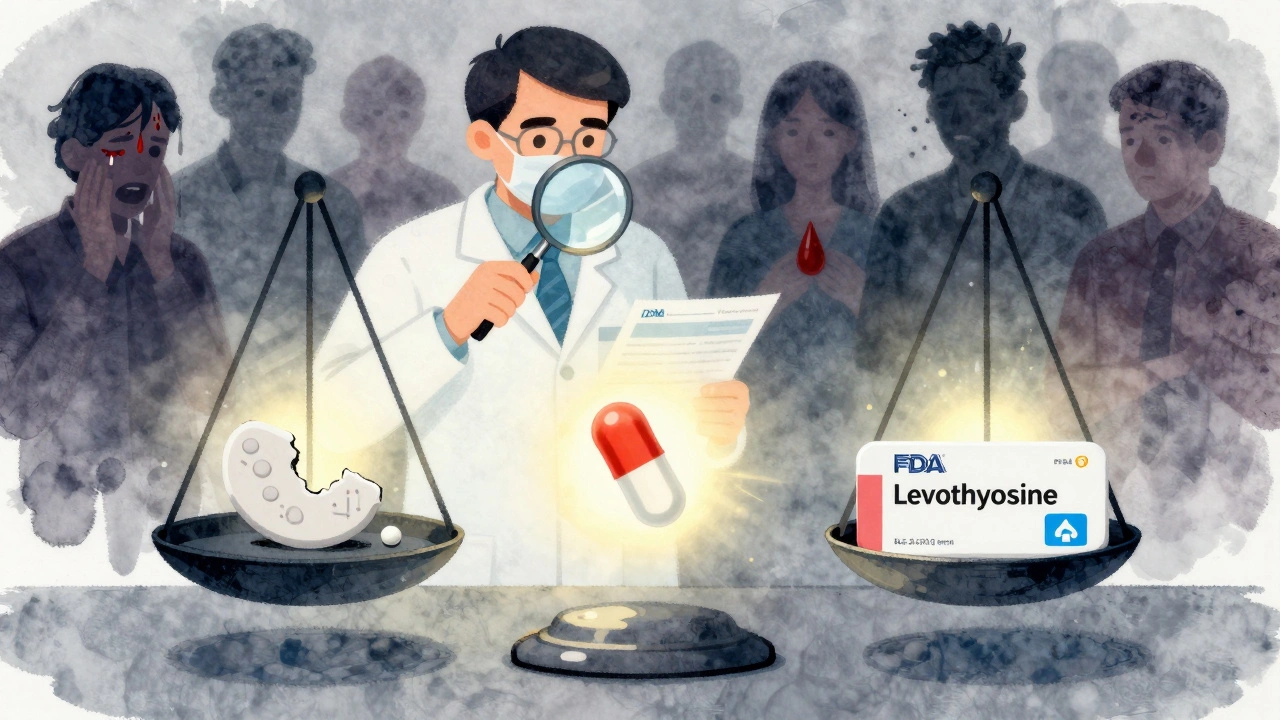
Limitations and What to Watch For
Authorized generics aren’t a magic bullet. Only 5% of brand-name drugs have them. They’re not available for every medication - especially newer ones or those still under patent. Also, while rare, there have been cases where manufacturers made minor formulation changes when launching an authorized generic. Always double-check the FDA’s list and the NDC. If something seems off, contact the manufacturer or consult the Orange Book. And remember: just because it’s cheaper doesn’t mean it’s always the best choice. If the patient is stable on the brand, and cost isn’t an issue, there’s no need to switch. But if cost matters - or if safety matters - the authorized generic is often the best of both worlds.The Future of Authorized Generics
Authorized generics are growing. From 2010 to 2019, their numbers increased by 18% each year. Consumer interest is rising too - GoodRx reports a 47% jump in searches for "authorized generics" between 2021 and 2022. Legislation like the Affordable Insulin Now Act of 2023 may expand access for high-cost drugs. Professional groups like the American Pharmacists Association are updating their guidelines to give pharmacists clearer direction on when and how to recommend them. As healthcare shifts toward value-based care, pharmacists who understand authorized generics will play a bigger role in improving outcomes - not just cutting costs.Are authorized generics the same as brand-name drugs?
Yes. Authorized generics are made by the same company that makes the brand-name drug, using the exact same ingredients, manufacturing process, and quality controls. The only difference is the label - no brand name, no logo. They are not copies. They are the original product sold under a different name.
Why are authorized generics cheaper than the brand?
Because they don’t carry the marketing, advertising, and patent protection costs of the brand. The manufacturer saves money by skipping the brand-name packaging and promotion, and passes those savings to the pharmacy and patient. Prices are typically 20-80% lower than the brand, even though the drug inside is identical.
Can I substitute an authorized generic without the prescriber’s permission?
In most states, yes - as long as the prescription doesn’t say "Do Not Substitute." Federal law allows substitution of authorized generics because they are considered therapeutically equivalent to the brand. However, 18 states require pharmacists to notify the prescriber before making any generic substitution, including authorized generics. Always check your state’s rules.
Do insurance plans cover authorized generics as generics?
Sometimes, but not always. Many pharmacy benefit managers (PBMs) classify authorized generics under the brand-name tier, not the generic tier. This can result in higher out-of-pocket costs for patients, even though the drug is identical. Always check the patient’s formulary before recommending one. If cost is a concern, you may need to help the patient file a prior authorization or appeal.
How do I know if an authorized generic is available for a brand-name drug?
Check the FDA’s quarterly updated list of authorized generics, available on their website. You can also verify by looking at the National Drug Code (NDC). If the labeler code matches the brand manufacturer (like Pfizer or Merck) or an authorized licensee (like Prasco), it’s an authorized generic. Call your wholesaler - they often have the most up-to-date availability info.
Final Thought: It’s Not Just About Saving Money
Pharmacists are the last line of defense against medication errors, hidden risks, and avoidable side effects. Authorized generics aren’t just a cost-saving trick. They’re a safety tool. For patients with allergies, for those on critical medications, for anyone who’s been let down by a generic that didn’t work - this is the answer that’s been hiding in plain sight. You don’t need to recommend them for every prescription. But when the situation calls for it - when safety, stability, or sensitivity matters - an authorized generic isn’t just a good alternative. It’s the best one.



Jennifer Patrician
December 5, 2025 AT 02:53Okay but have you seen the FDA's list? It's literally just Big Pharma letting their own subsidiaries sell the same pill under a different name to trick people into thinking they're saving money. They're not even trying anymore. The real generic companies get sued if they make a pill that's 0.001% off, but Pfizer can slap a new label on their own product and call it an 'authorized generic'? That's not transparency, that's a shell game. I've seen the invoices. The price drop is 20%? Nah. The pharmacy keeps 15% and the PBM takes the rest. You're still getting scammed.
Mellissa Landrum
December 6, 2025 AT 20:46lol i just got my atorvastatin and the pill looks totally diff than my old one. no logo nothin. i thought i got fake meds from some mexican guy on ebay. then my cousin said it was one of those 'authorized' bs things. i called my doc and he said 'yeah that's what they do now' like its normal. but what if the fillers are different? what if they put fluoride in it to control the masses? i'm switching back to brand. i'd rather pay 50 bucks than risk my brain being rewired.
Mark Curry
December 7, 2025 AT 18:38It’s funny how we treat medication like it’s a one-size-fits-all product. We forget that people aren’t just chemical reactions. That pill might be 'identical' on paper, but your body remembers. I switched to a generic once for thyroid meds and felt like I was walking through fog for three weeks. Went back to the brand-immediate clarity. Then tried the authorized generic? Same as the brand. No fog. It’s not about cost. It’s about consistency. The body doesn’t care about labels. It cares about what’s inside. And sometimes, that’s the only thing that matters.
Manish Shankar
December 9, 2025 AT 04:19Respected colleagues, I find this discussion profoundly insightful. In my practice in Delhi, we encounter similar challenges with patients who are unaware of the distinction between generics and authorized generics. The cultural perception of 'brand = quality' remains deeply entrenched, even among educated populations. I have found that patient education, delivered with patience and clarity, significantly improves adherence. It is not merely a pharmaceutical decision-it is a trust-building exercise. Thank you for illuminating this critical nuance in clinical practice.
luke newton
December 10, 2025 AT 18:10So you’re telling me we’re supposed to trust Big Pharma to self-regulate their own generics? That’s the same industry that paid billions in fines for pushing opioids. You think they care about your 'safety'? They care about profit margins. They invented 'authorized generics' so they could keep the brand-name price while pretending they’re helping you. It’s a trap. They don’t want you to save money-they want you to think you’re saving money while they still get rich. Wake up. This isn’t healthcare. It’s corporate theater.
Ali Bradshaw
December 12, 2025 AT 06:11Just wanted to say-this is the kind of post that reminds me why I love pharmacists. You’re not just handing out pills. You’re listening. You’re noticing when someone says, 'I don’t feel right.' And you dig deeper. That’s medicine at its best. I’ve seen too many people get switched to generics and just accept it because 'it’s cheaper.' But you? You care about the person behind the prescription. Keep doing this work. It matters more than you know.
an mo
December 12, 2025 AT 17:44Authorized generics are a regulatory loophole disguised as consumer protection. The FDA’s definition is intentionally vague to appease pharma lobbyists. The 'same manufacturing process' claim is unverifiable without access to proprietary GMP documentation, which is never disclosed. The NDC matching criterion is easily manipulated through shell distributors. This entire framework is designed to create the illusion of equivalence while preserving monopoly pricing structures. It’s not safety-it’s obfuscation.
aditya dixit
December 13, 2025 AT 19:15There is a quiet wisdom in this. We often mistake uniformity for safety. But biology is not a spreadsheet. A patient who has stabilized on a specific formulation-down to the coating, the binder, the time-release profile-deserves continuity. Authorized generics offer that. Not because they are cheaper, but because they honor the individual’s physiological history. In a system obsessed with cost-cutting, this is one of the few places where humanity still has a seat at the table.
Lynette Myles
December 14, 2025 AT 10:04They’re not the same. The coating changed. I had a reaction. It’s not the active ingredient. It’s the filler. Always check.
Annie Grajewski
December 16, 2025 AT 06:38so like… authorized generics are just the brand’s way of saying ‘hey we’re cool with you buying our drug but we’re gonna charge you less so you feel like you’re not a sucker’? like… that’s not a win, that’s just a psychological trick. also why does everything have to be so complicated? can’t we just have one drug with one price and stop pretending we’re all doctors now? i just want my pill to work without having to write a thesis on it.
Jimmy Jude
December 16, 2025 AT 07:33Let me tell you something. I was on Lipitor. Then they switched me to the 'authorized generic.' I felt like a zombie. My wife said I stopped laughing. My dog avoided me. I went to the pharmacy and screamed. They didn’t even blink. I demanded the brand back. They said 'it’s the same.' I said 'NO. IT’S NOT.' And guess what? I got it. And now I’m alive again. People think this is about money. It’s not. It’s about soul. That pill? It’s not just chemistry. It’s your rhythm. Your peace. Your sanity. Don’t let them take that from you with a new label.
Mark Ziegenbein
December 18, 2025 AT 06:19It’s astonishing how the entire healthcare system has been reduced to a series of contractual loopholes masquerading as patient care. The authorized generic is the perfect metaphor for late-stage capitalism: identical product, different packaging, same exploitative intent. The FDA’s definition is a linguistic sleight-of-hand designed to placate the public while allowing manufacturers to maintain monopolistic pricing structures under the guise of competition. The NDC system? A bureaucratic farce. The wholesalers? Complicit enablers. And the pharmacists? Forced into the role of corporate intermediaries rather than clinical advocates. This isn’t innovation. It’s institutionalized deception dressed in the language of safety and efficiency. The real tragedy? Most patients don’t even realize they’re being gaslit by the very system that’s supposed to protect them.