29
Hatch-Waxman Amendments: How Landmark Law Created the Modern Generic Drug Market
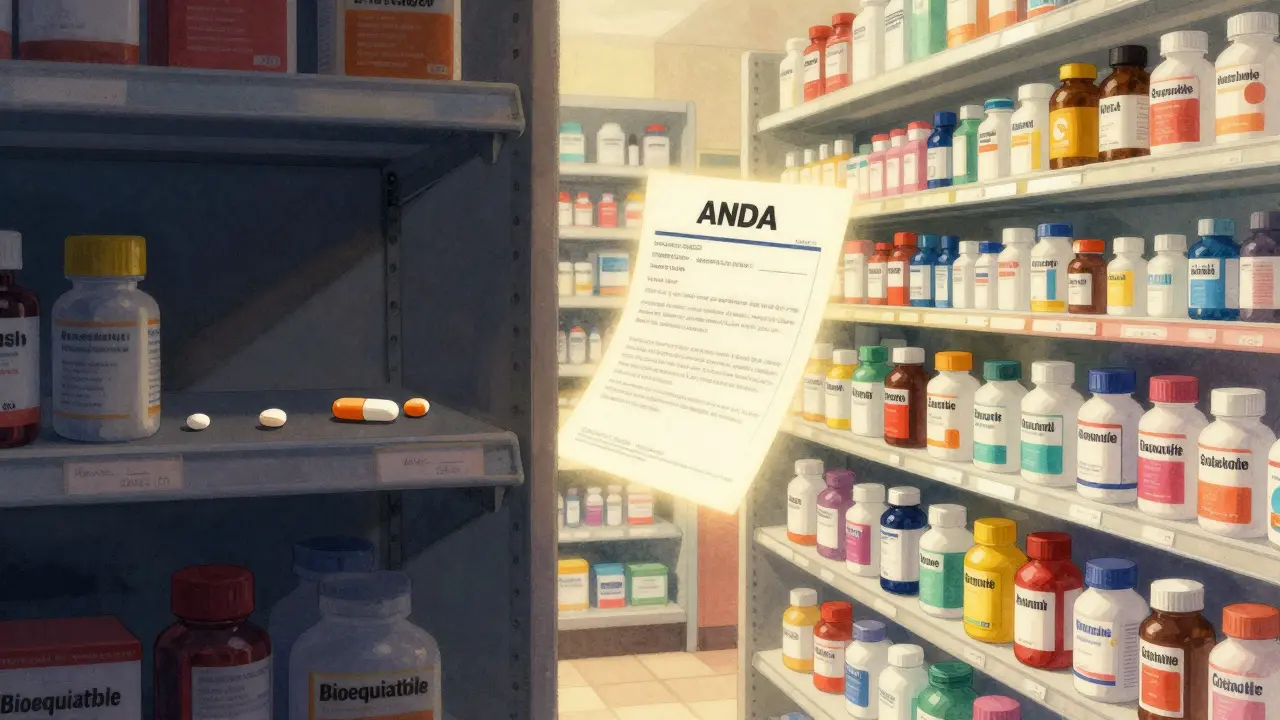
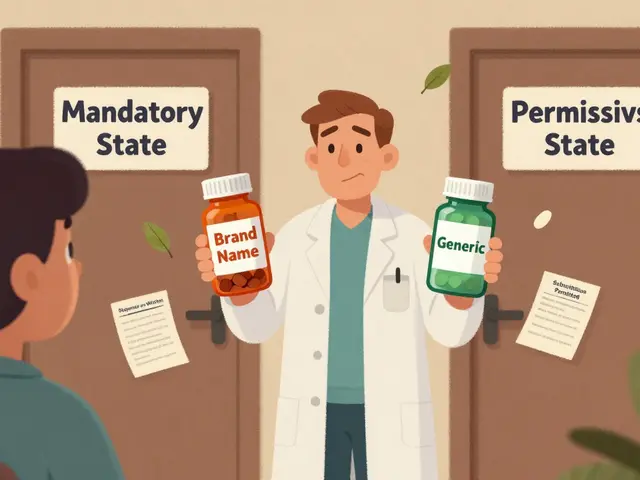
The U.S. generic drug market didn’t just happen. Before 1984, if you wanted a cheaper version of a brand-name medicine, you were out of luck. The system was stacked against copycat drugs. Generic manufacturers had to run full clinical trials-just like the original company-to prove their version was safe and effective. Even if the chemical formula was identical, the FDA didn’t accept the brand’s data. That meant years of extra work, millions in extra cost, and almost no generics on shelves. By 1983, only about 19% of prescriptions filled in the U.S. were for generic drugs.
What the Hatch-Waxman Act Actually Did
In 1984, Congress passed the Drug Price Competition and Patent Term Restoration Act-better known as the Hatch-Waxman Amendments. Named after its sponsors, Senator Orrin Hatch and Representative Henry Waxman, it wasn’t just a tweak. It rebuilt the entire system. The law had two clear goals: make it easier for generic drugs to reach the market, and give brand-name companies extra time on their patents to make up for delays caused by FDA reviews.
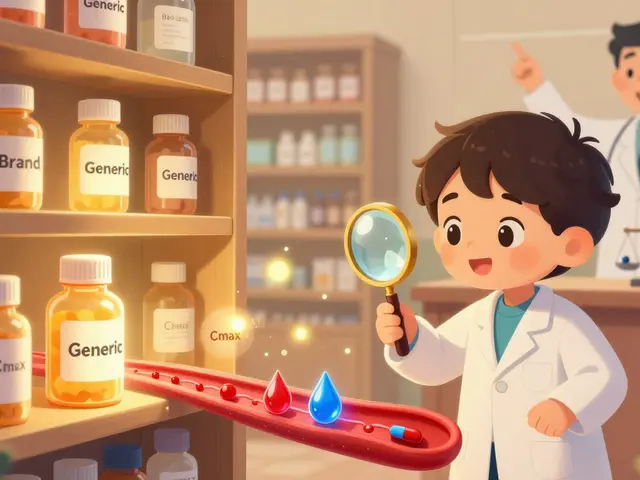
The biggest change? The creation of the Abbreviated New Drug Application, or ANDA. Before Hatch-Waxman, generics had to prove safety and effectiveness from scratch. After? All they had to show was that their drug was bioequivalent-meaning it worked the same way in the body. No new clinical trials. No repeating the brand’s studies. That cut development costs by 80-90%. Suddenly, it made financial sense for companies to make generics.
The Patent Game: How Brand-Name Companies Got Back Some Time
Brand-name drug makers weren’t giving up without a fight. They argued that by the time the FDA finished reviewing a new drug, they’d already lost years of patent life. That meant less time to recoup R&D costs before generics showed up. Hatch-Waxman fixed that with patent term restoration. If a drug’s patent was delayed by FDA review, the company could get up to five years added to its patent life. Total patent protection couldn’t exceed 14 years from FDA approval, but the extension gave them breathing room.
On top of that, the law gave new chemical entities five years of data exclusivity. If a company created a new formulation or new use for an existing drug, they got three years. For rare diseases (orphan drugs), it was seven years. These weren’t patents-they were legal shields against generic copies, even if the patent had expired.
The Paragraph IV Bomb: How Generics Could Challenge Patents
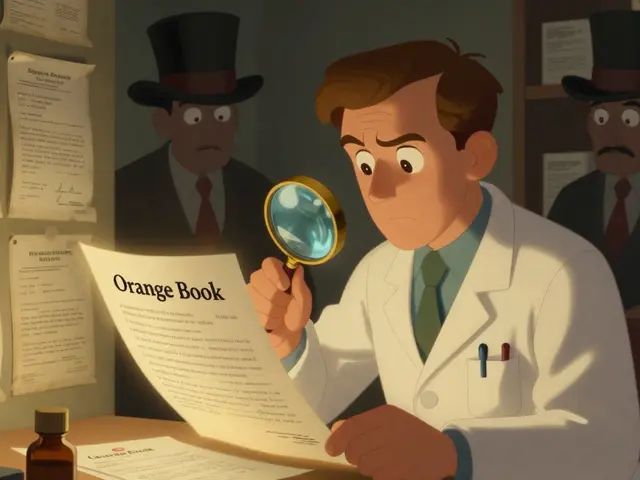
Here’s where things got clever. Hatch-Waxman required brand-name companies to list all their patents for a drug in the FDA’s Orange Book. When a generic company applied for approval, they had to check a box-called a patent certification-about each listed patent. Most said, “We’ll wait until this patent expires.” But one option, Paragraph IV, was a direct challenge: “This patent is invalid or we don’t infringe it.”
That was the game-changer. If a generic company filed a Paragraph IV certification, the brand-name company had 45 days to sue for patent infringement. If they did, the FDA couldn’t approve the generic for 30 months-unless a court ruled sooner. That gave the brand time to fight, but it also gave generics a clear path to challenge weak patents.
And the reward? The first generic to file a Paragraph IV certification got 180 days of market exclusivity. No other generic could enter during that time. That meant the first filer could dominate sales, charge low prices, and still make huge profits. It turned patent challenges into a high-stakes race.
The Safe Harbor: Why Generics Could Start Before Patents Expired
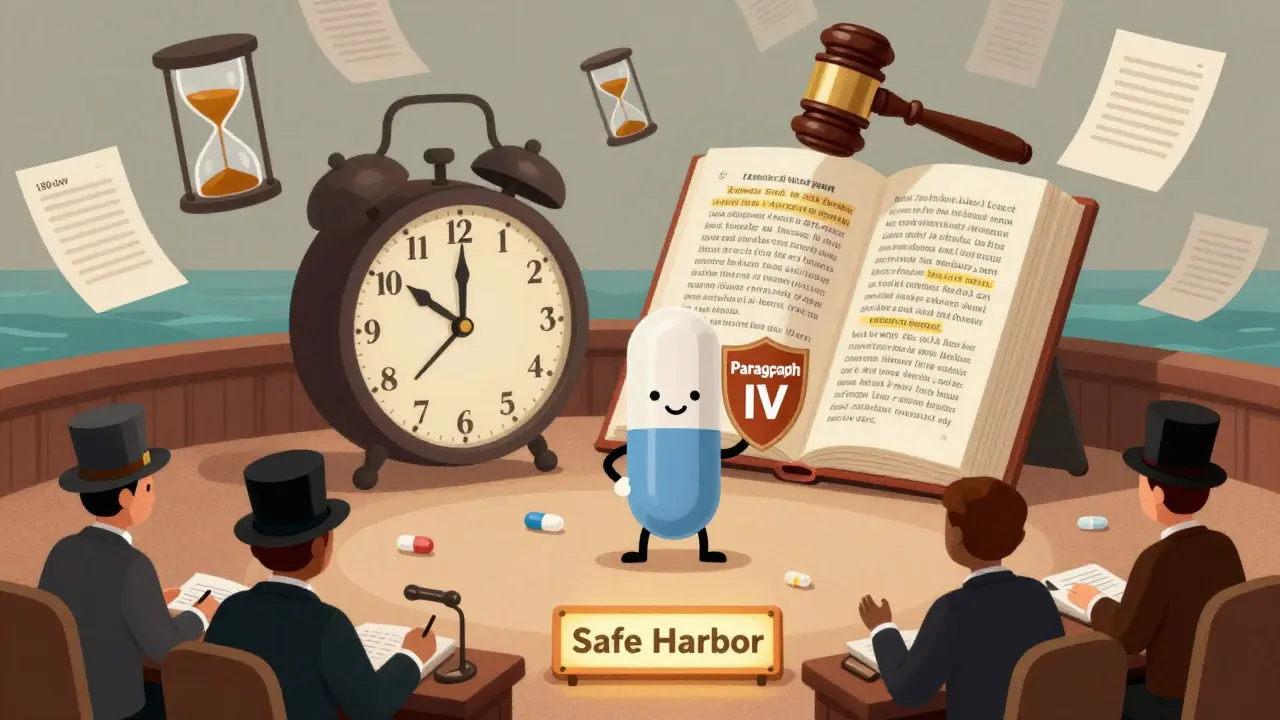
Before Hatch-Waxman, a court ruled in Roche v. Bolar that even testing a generic drug before a patent expired was illegal patent infringement. That meant generic companies couldn’t start preparing until the day after the patent expired. Hatch-Waxman changed that with a simple but powerful clause: 35 U.S.C. § 271(e)(1).
This “safe harbor” lets generic makers use patented drugs for research and testing to get FDA approval-even before the patent runs out. As long as it’s for the purpose of submitting data to the FDA, it’s not infringement. That single change allowed generics to begin development years ahead of schedule. Without it, the entire system would’ve collapsed.
The Results: Generics Took Over
The numbers don’t lie. In 1983, generics made up less than one-fifth of prescriptions. By 2023, they made up 90%. Today, more than 10,000 generic drug products are available in the U.S. And they cost, on average, 80-85% less than the brand-name versions.
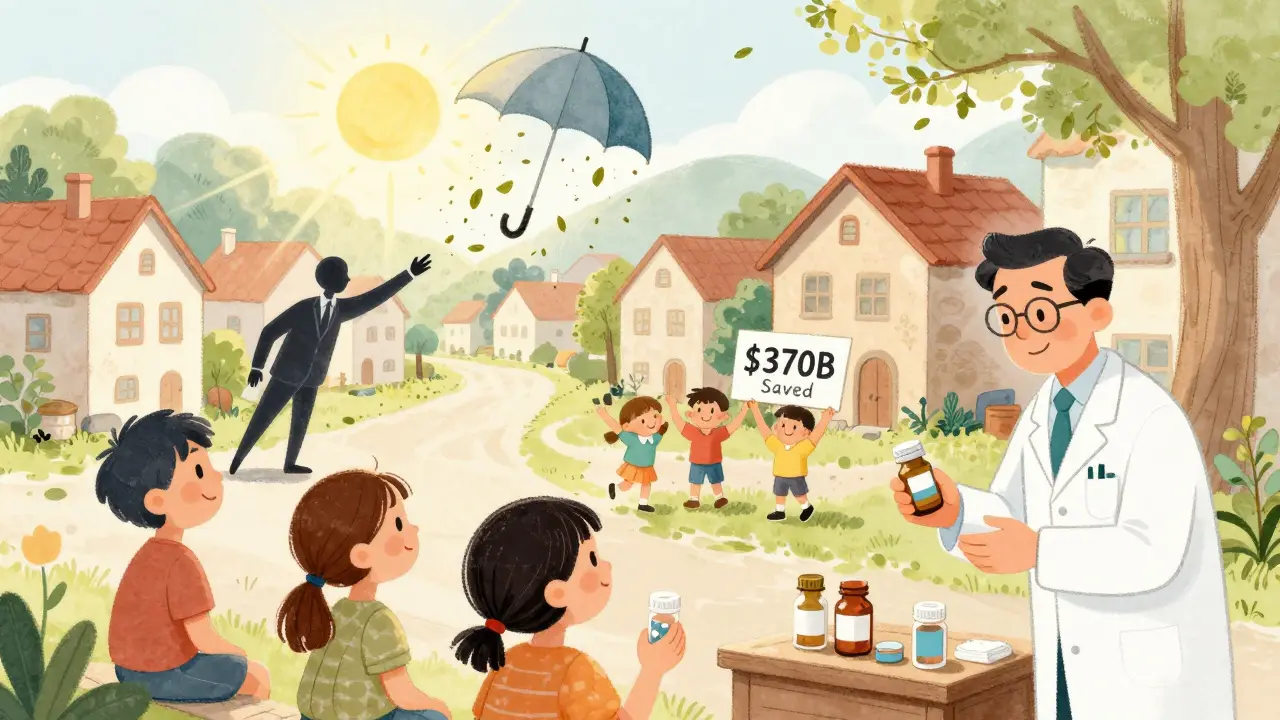
That’s not just a win for consumers. It’s a win for the whole healthcare system. In 2023 alone, generic drugs saved the U.S. healthcare system over $370 billion. That’s money that went back into hospitals, insurance premiums, and patients’ pockets.
The Dark Side: Pay-for-Delay and Evergreening
But Hatch-Waxman wasn’t perfect. The 180-day exclusivity period created a loophole. Instead of competing, some brand-name companies started paying generic makers to delay their entry. These “pay-for-delay” deals meant the generic would sit on the sidelines while the brand kept charging high prices.
The Federal Trade Commission found 668 of these deals between 1999 and 2012. They estimated these agreements cost consumers $35 billion a year in higher drug prices. Courts eventually cracked down, but the practice didn’t disappear.
Another tactic? “Evergreening.” Brand-name companies file new patents on tiny changes-like a new pill shape, a different dosage time, or a new coating-to extend their monopoly. Sometimes, these patents are weak. But they still trigger the 30-month stay, delaying generics for years.
What’s Changed Since 1984?
The law hasn’t stayed frozen. In 2012, Congress passed the Generic Drug User Fee Amendments (GDUFA). This let the FDA charge fees to generic manufacturers to fund faster reviews. Before GDUFA, an ANDA application could take 30 months to review. By 2022, the average was under 12 months.
The FDA also started cracking down on “first-filer camping”-when multiple companies file on the same day to fight over exclusivity. Now, if two companies file on the same day, they share the 180-day window.
But the biggest question remains: Is the balance still right? Brand-name companies say Hatch-Waxman still gives them the incentive to innovate. Critics say the system now favors delay tactics over real competition. The 2023 Preserve Access to Affordable Generics and Biosimilars Act tried to ban pay-for-delay deals even harder. But big pharma lobbyists are still fighting.
Why It Still Matters Today
Hatch-Waxman didn’t just change drug approvals. It changed how we think about innovation and access. It proved that you don’t have to choose between affordable medicine and new discoveries. You can have both-if the rules are fair.
Today, nearly every prescription you fill is likely a generic. That’s because of this law. But the fight isn’t over. Patent challenges, regulatory delays, and corporate tactics still shape who gets access and at what price. Hatch-Waxman was a compromise. And like all compromises, it needs constant watching.
What is the ANDA process?
The Abbreviated New Drug Application (ANDA) is the FDA pathway for approving generic drugs. Instead of running new clinical trials, generic manufacturers prove their product is bioequivalent to the brand-name drug-meaning it works the same way in the body. This cuts development time and cost by up to 90%.
How does patent term restoration work under Hatch-Waxman?
If the FDA’s review process delays a brand-name drug’s market entry, the patent holder can apply for up to five years of additional patent protection. The total patent life, including extensions, can’t exceed 14 years from FDA approval. This compensates companies for lost time during regulatory review.
What is a Paragraph IV certification?
A Paragraph IV certification is when a generic drug applicant claims that a brand-name drug’s patent is either invalid or not infringed. This triggers a 45-day window for the brand to sue for infringement. If they do, the FDA can’t approve the generic for 30 months-unless the court rules otherwise.
Why does the first generic get 180 days of exclusivity?
The 180-day exclusivity is a financial incentive to encourage generic companies to challenge weak or questionable patents. The first to file a Paragraph IV certification gets this period to sell their version without competition. During that time, they can capture a large share of the market-even if they sell at low prices.
Are pay-for-delay deals still legal?
Pay-for-delay deals are now illegal under most circumstances. Courts and the FTC have ruled that these agreements violate antitrust laws because they suppress competition. The 2023 Preserve Access to Affordable Generics and Biosimilars Act strengthened penalties, but enforcement remains challenging.
How has Hatch-Waxman affected drug prices?
Hatch-Waxman dramatically lowered drug prices by enabling generic competition. Generic drugs cost 80-85% less than brand-name versions. In 2023, they saved the U.S. healthcare system over $370 billion. However, tactics like pay-for-delay and evergreening have partially offset these savings by delaying generic entry.

Jason Xin
January 29, 2026 AT 12:27Hard to believe we used to pay $500 for a month’s supply of a drug that now costs $4. Hatch-Waxman didn’t just lower prices-it saved lives. I’ve seen grandparents choose between meds and groceries. This law made that choice disappear.
Yanaton Whittaker
January 29, 2026 AT 23:04AMERICA MADE THIS HAPPEN. 🇺🇸 No other country has the guts to balance innovation with access. Those lazy EU countries? They just wait for us to invent and then copy it. Hatch-Waxman is why the world still looks to the U.S. for medical progress. Don’t @ me.
Kathleen Riley
January 31, 2026 AT 13:28One cannot overlook the profound epistemological shift precipitated by the Hatch-Waxman Amendments: the ontological redefinition of therapeutic equivalence as a regulatory criterion, thereby displacing the prior epistemic reliance on clinical reproducibility. The legal architecture thus enacted constitutes not merely a procedural innovation, but a paradigmatic recalibration of pharmaceutical ontology within the American liberal state.
Diana Dougan
February 1, 2026 AT 14:01so like... the 180 day exclusivity thing is just a loophole so big you could drive a tesla through it? and people wonder why drug prices are still high? lol. also typo: 'paragrap IV' 😂
Katie and Nathan Milburn
February 1, 2026 AT 17:46It’s remarkable how a piece of legislation from 1984 continues to shape daily life for millions. The quiet efficiency of the ANDA process, the unintended consequences of Paragraph IV, the slow erosion of the safe harbor by litigation-these are the invisible gears of modern healthcare. We rarely notice them until we need them.
Russ Kelemen
February 3, 2026 AT 05:45Let’s not forget: this law didn’t just help patients. It helped small generic companies compete with giants. I know a guy who started a lab in Ohio with $200k and now supplies 12 states. That’s the American dream-innovation without monopoly. Keep pushing for transparency, keep calling out pay-for-delay. We’re not done yet.
Diksha Srivastava
February 4, 2026 AT 03:38India is doing great with generics too, but we didn’t have a Hatch-Waxman. We just had people who refused to let patients suffer. This law proves that smart policy + real willpower = change. Keep fighting for access everywhere 💪
Shawn Peck
February 5, 2026 AT 08:26Big Pharma is still cheating. They just got better at it. 180-day exclusivity? More like 180-day monopoly. And don’t get me started on those patent trolls with new pill colors. It’s not innovation-it’s extortion.