ALS Treatment: What Works, What Doesn't, and What You Need to Know
When someone is diagnosed with ALS, a progressive neurodegenerative disease that attacks nerve cells controlling voluntary muscle movement. Also known as Lou Gehrig's disease, it slowly steals the ability to move, speak, eat, and breathe. There’s no cure—but treatment can help slow progression, ease symptoms, and keep people living as fully as possible for as long as possible.
The two FDA-approved drugs for ALS treatment are riluzole and edaravone. Riluzole doesn’t reverse damage, but studies show it can extend life by a few months by reducing glutamate toxicity in nerve cells. Edaravone, given by IV, works differently—it fights oxidative stress, which may slow decline in some patients, especially if started early. Neither drug works for everyone, and both come with side effects. But for many, they’re the only tools available to buy time.
Beyond drugs, ALS treatment is about managing symptoms before they become crises. Breathing support with BiPAP machines, feeding tubes to prevent malnutrition, speech devices to keep communication alive, and physical therapy to maintain mobility—these aren’t optional extras. They’re core parts of care. Many people don’t realize that the best outcomes come from a team: neurologists, respiratory therapists, dietitians, and social workers all working together. It’s not just about the medication. It’s about adapting daily life to keep dignity and independence intact.
What’s missing from most conversations? The fact that ALS treatment isn’t one-size-fits-all. Some patients decline slowly over years; others lose function in months. That’s why personalized care matters. A 50-year-old athlete might need different support than a 75-year-old with other health issues. And while research into gene therapies and stem cells is moving fast, most of it is still experimental. Right now, the real power lies in using what’s already proven—correctly, consistently, and early.
You’ll find real stories below—how people manage swallowing problems, why some avoid certain supplements that interfere with meds, how caregivers handle nighttime breathing issues, and what actually helps with muscle cramps and stiffness. These aren’t theoretical guides. They’re lived experiences from people navigating ALS every day. The posts here focus on what works in practice, not just what’s in textbooks. You won’t find fluff. Just clear, honest details on meds, tools, and strategies that make a difference when every day counts.
9
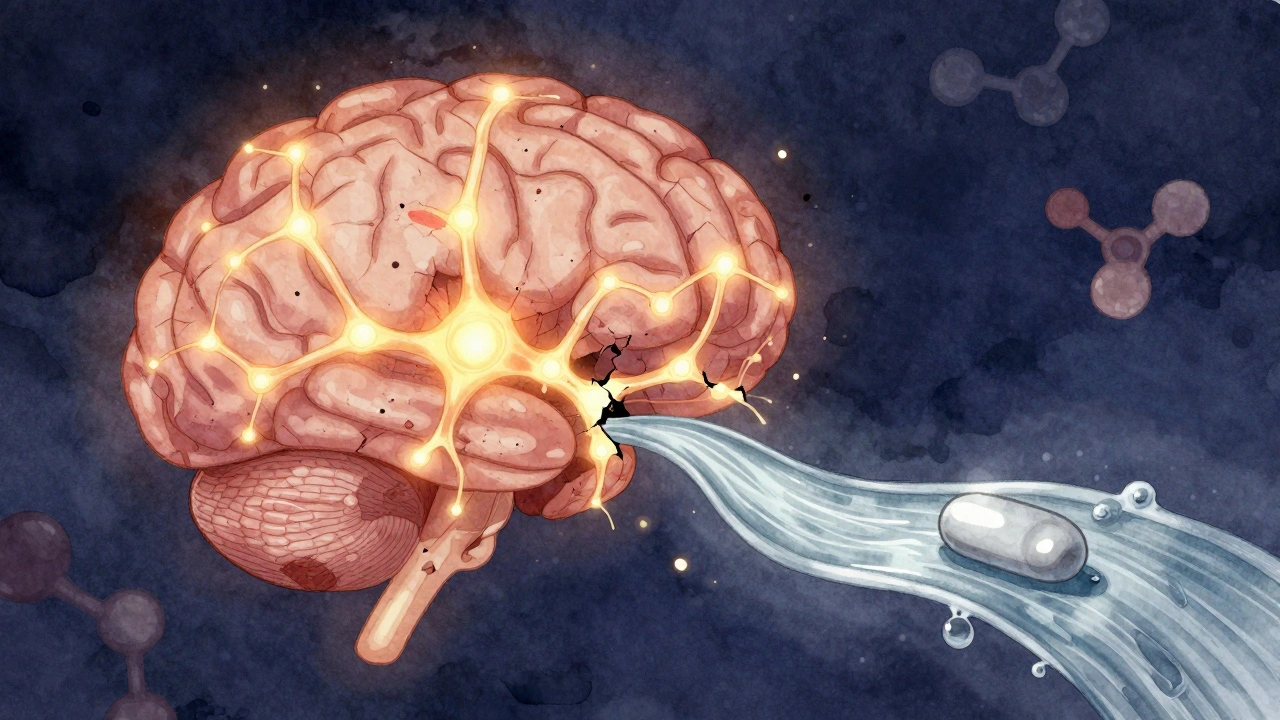
Amyotrophic Lateral Sclerosis: How Riluzole Slows Neurodegeneration and Extends Life
Riluzole is the first and still most widely used drug for ALS, offering a modest but meaningful extension of life. Learn how it works, who benefits, and why it remains essential despite side effects and newer treatments.