Antipsychotic Medications: What They Are, How They Work, and What You Need to Know
When someone experiences psychosis—like hearing voices, seeing things that aren’t there, or holding false beliefs—they often need antipsychotic medications, a class of drugs designed to reduce or eliminate symptoms of psychosis by balancing brain chemicals. Also known as neuroleptics, these drugs don’t cure mental illness, but they can make daily life possible again. Whether it’s for schizophrenia, bipolar disorder, or severe depression with psychotic features, antipsychotics are one of the most commonly prescribed tools in psychiatry.
There are two main types: first-generation (like haloperidol) and second-generation (like risperidone or olanzapine). The older ones work mainly by blocking dopamine, which helps calm hallucinations and delusions. The newer ones also affect serotonin, which often means fewer movement-related side effects—like tremors or stiffness—but they can lead to weight gain, high blood sugar, or cholesterol issues. Not everyone reacts the same way. What works for one person might not work for another, and finding the right dose or drug can take time.
These medications don’t work overnight. It can take weeks before you notice real changes. And while some people take them long-term, others use them only during acute episodes. Stopping suddenly can cause withdrawal symptoms or a return of psychosis, so always talk to your doctor before making changes. Many people also take them alongside therapy, support groups, or lifestyle changes—because meds alone aren’t always enough.
Side effects are a real concern. Some people feel sluggish, sleepy, or emotionally flat. Others struggle with dry mouth, blurred vision, or trouble standing up quickly. In rare cases, a serious condition called tardive dyskinesia can cause uncontrollable facial movements. That’s why regular check-ins with your provider matter. Blood tests, weight tracking, and open conversations help catch problems early.
You’ll find posts here that dig into how antipsychotics interact with other drugs—like when antibiotics or herbal supplements mess with their levels. There’s also info on managing side effects, what to ask your pharmacist, and how to stay on track with your meds using reminders or pill organizers. Some articles even look at how these drugs affect older adults or people with other health issues like heart disease or diabetes.
This isn’t just about science. It’s about real lives—people trying to hold jobs, care for families, or just get through the day without being overwhelmed by their thoughts. The goal isn’t to silence the mind, but to give it space to breathe. And with the right support, that’s possible.
29
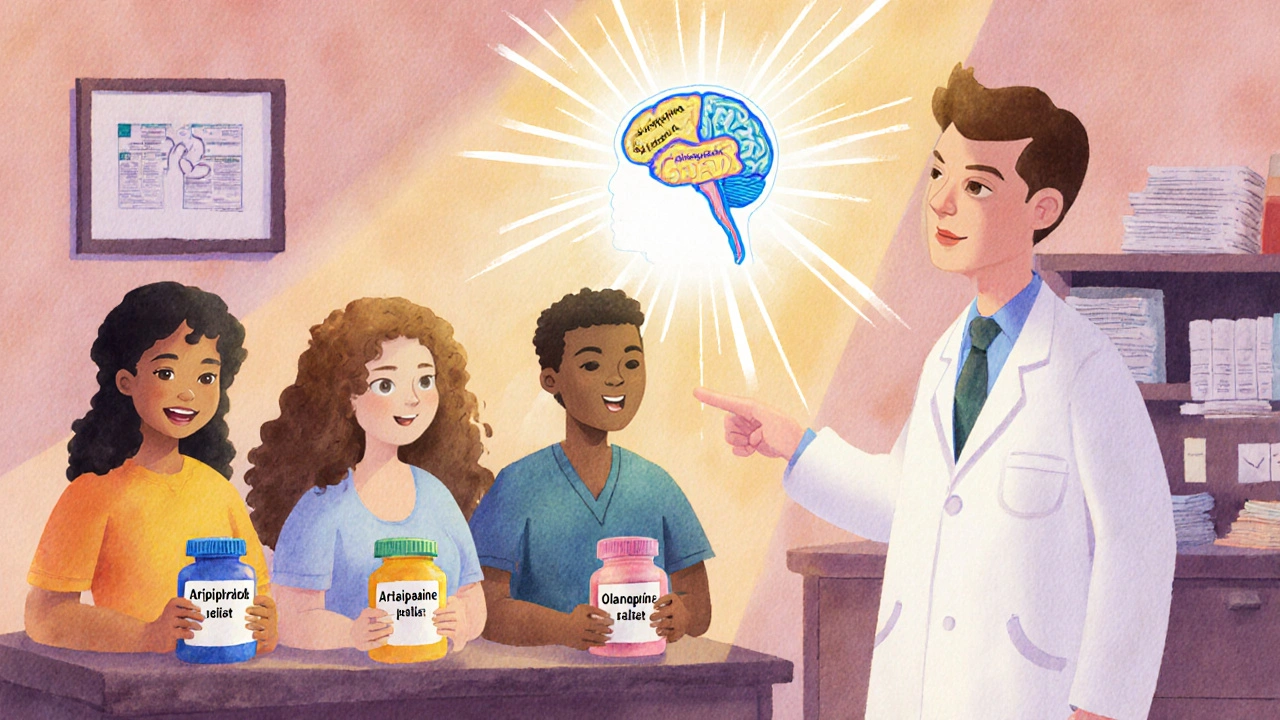
Schizophrenia: Understanding Antipsychotic Medications and Atypical Agents
Antipsychotic medications are essential for managing schizophrenia. Atypical antipsychotics like aripiprazole and clozapine offer better side effect profiles than older drugs, but choices depend on individual needs, side effects, and treatment history.
Latest Posts



Popular Posts
-
 Plantar Fasciitis: Heel Pain Causes and Treatment Options
-
 OTC Heartburn Medications: Antacids, H2 Blockers & PPIs Explained
-
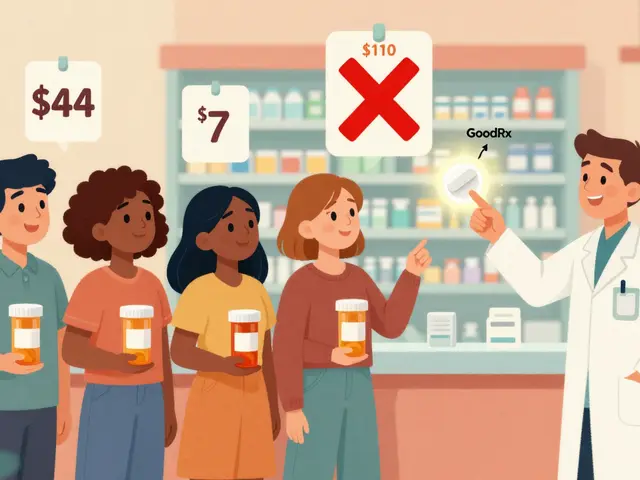 Out-of-Pocket Costs: How Generics Cut Your Drug Bills - and When They Still Hurt
-
 Extended Use Dates: How the FDA Extends Drug Expiration Dates During Shortages
-
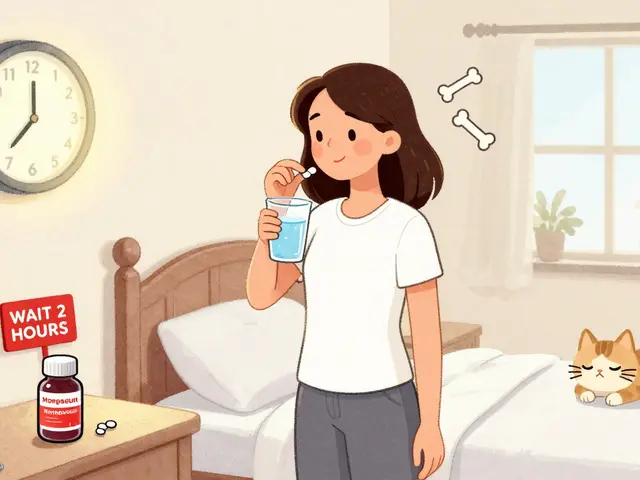 Magnesium Supplements and Osteoporosis Medications: What You Need to Know About Timing