Atypical Antipsychotics: What They Are, How They Work, and What You Need to Know
When doctors prescribe medication for schizophrenia, bipolar disorder, or severe depression with psychotic features, they often reach for atypical antipsychotics, a class of psychiatric drugs designed to target brain chemicals with fewer movement-related side effects than older options. Also known as second-generation antipsychotics, they work differently than the first-generation drugs like haloperidol—focusing not just on dopamine but also on serotonin, which helps reduce symptoms without causing as much stiffness or tremors. These drugs aren’t just for psychosis; they’re also used off-label for anxiety, insomnia, and even some cases of autism-related irritability, making them one of the most widely prescribed types of mental health meds today.
What makes them "atypical" is how they interact with your brain. Traditional antipsychotics mainly block dopamine receptors, which can lead to long-term movement disorders. atypical antipsychotics, like risperidone, olanzapine, and quetiapine, also affect serotonin, which helps improve mood and reduce negative symptoms like social withdrawal and flat affect. This dual action is why many patients tolerate them better. But they’re not risk-free. Weight gain, high blood sugar, and elevated cholesterol are real concerns—especially with olanzapine and clozapine. That’s why regular blood tests and weight checks are part of the treatment plan.
Not everyone responds the same way. Some people find relief with low doses of quetiapine, while others need higher doses of aripiprazole. And while these drugs can be life-changing, they’re not magic pills. They work best when paired with therapy, stable routines, and support systems. You’ll also see in the posts below how these meds interact with other drugs—like blood thinners or heart medications—making it critical to tell every doctor and pharmacist what you’re taking.
There’s a lot of confusion around these drugs. Are they addictive? Do they change your personality? The answer is no—they don’t make you feel "high" or numb you out. They help bring your brain back into balance so you can think clearly, sleep better, and reconnect with life. But finding the right one takes time, patience, and honest conversations with your provider.
The posts below cover real-world issues: how these medications affect daily life, what to watch for when switching brands, how they interact with other treatments, and why some people stop taking them. Whether you’re a patient, a caregiver, or just trying to understand what these drugs really do, you’ll find practical, no-fluff answers here.
29
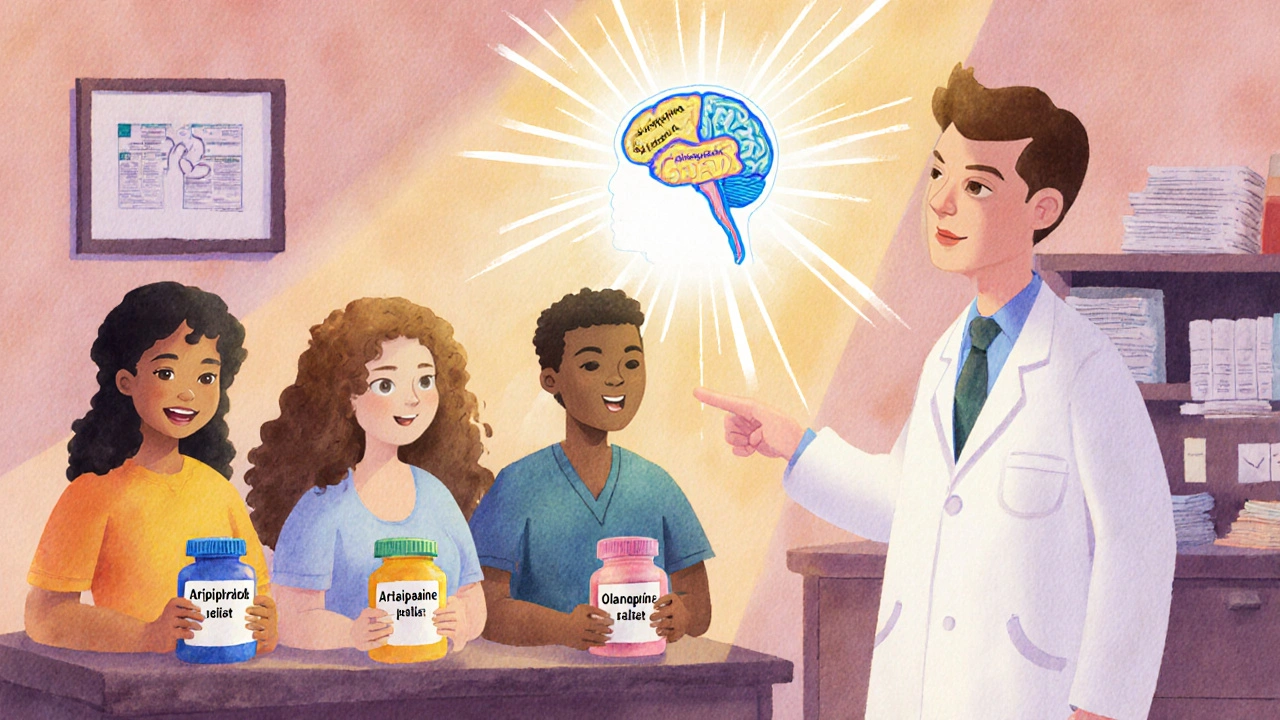
Schizophrenia: Understanding Antipsychotic Medications and Atypical Agents
Antipsychotic medications are essential for managing schizophrenia. Atypical antipsychotics like aripiprazole and clozapine offer better side effect profiles than older drugs, but choices depend on individual needs, side effects, and treatment history.
Latest Posts



Popular Posts
-
 Accidental Pediatric Medication Overdose: How to Prevent It and What to Do If It Happens
-
 Out-of-Pocket Costs: How Generics Cut Your Drug Bills - and When They Still Hurt
-
 Spinal Cord Injury: Understanding Function Loss, Rehabilitation, and Assistive Devices
-
 Duloxetine and Liver Health: What You Need to Know About Hepatotoxicity Risk
-
 OTC Heartburn Medications: Antacids, H2 Blockers & PPIs Explained