16
Antipsychotics and Stroke Risk in Seniors with Dementia: What You Need to Know
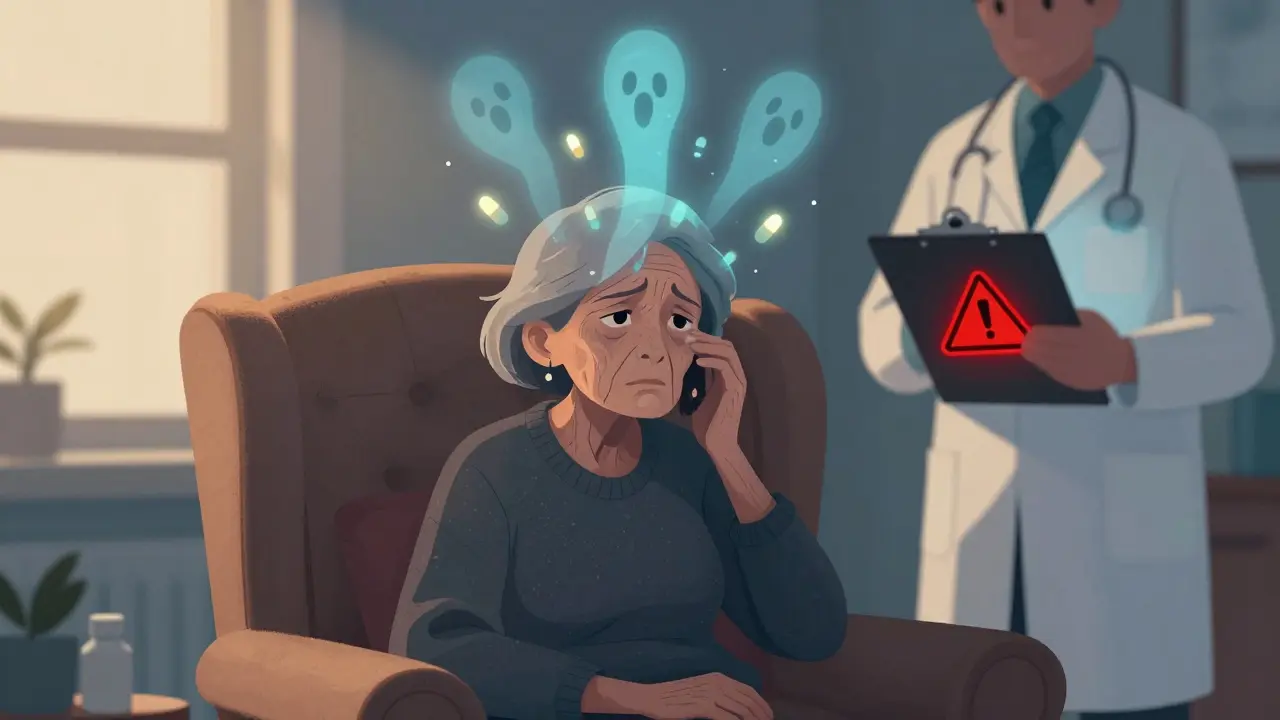
When a senior with dementia becomes agitated, aggressive, or hallucinates, families often feel desperate for a solution. Antipsychotic medications are frequently offered as a quick fix - but what many don’t realize is that these drugs can significantly increase the risk of stroke, and even death, in older adults with dementia. This isn’t a rare side effect. It’s a well-documented, life-threatening danger that’s been known for nearly two decades.
Why Antipsychotics Are Used in Dementia
Antipsychotics were never designed to treat dementia. They were created for conditions like schizophrenia and bipolar disorder. But in nursing homes and sometimes at home, doctors prescribe them to manage behavioral and psychological symptoms of dementia (BPSD) - things like yelling, pacing, paranoia, or resisting care. These behaviors are stressful for families and caregivers, and antipsychotics can appear to calm things down quickly.The problem? These drugs don’t fix the underlying brain changes causing dementia. They just suppress symptoms. And in doing so, they trigger serious risks - especially for the brain’s blood vessels.
The FDA’s Black Box Warning: A Red Flag You Can’t Ignore
In 2005, the U.S. Food and Drug Administration (FDA) issued its strongest possible warning: a black box warning for all antipsychotic medications. This warning said clearly that elderly patients with dementia-related psychosis who take these drugs face a 1.6 to 1.7 times higher risk of death compared to those taking a placebo. The warning was based on 17 clinical trials involving over 3,000 people. Since then, multiple studies have confirmed and expanded on these findings.The FDA didn’t just warn about death. They also flagged a clear link to stroke. Even short-term use - just a few weeks - can raise stroke risk. This shattered the old belief that only long-term use was dangerous. Now we know: if a senior with dementia starts an antipsychotic, the danger begins almost immediately.
How Antipsychotics Increase Stroke Risk
It’s not just one mechanism. Antipsychotics mess with multiple systems in the body:- Orthostatic hypotension: These drugs can drop blood pressure when standing up, causing dizziness and falls - a major trigger for stroke in older adults.
- Metabolic changes: They can cause weight gain, high blood sugar, and high cholesterol, all of which damage blood vessels over time.
- Neurotransmitter disruption: Antipsychotics block dopamine and serotonin, which play roles in regulating blood flow to the brain. This can lead to clotting or reduced circulation.
Studies show that these effects happen even in people who have no prior history of heart disease or stroke. The brain of someone with dementia is already vulnerable. Adding antipsychotics is like pouring gasoline on a smoldering fire.
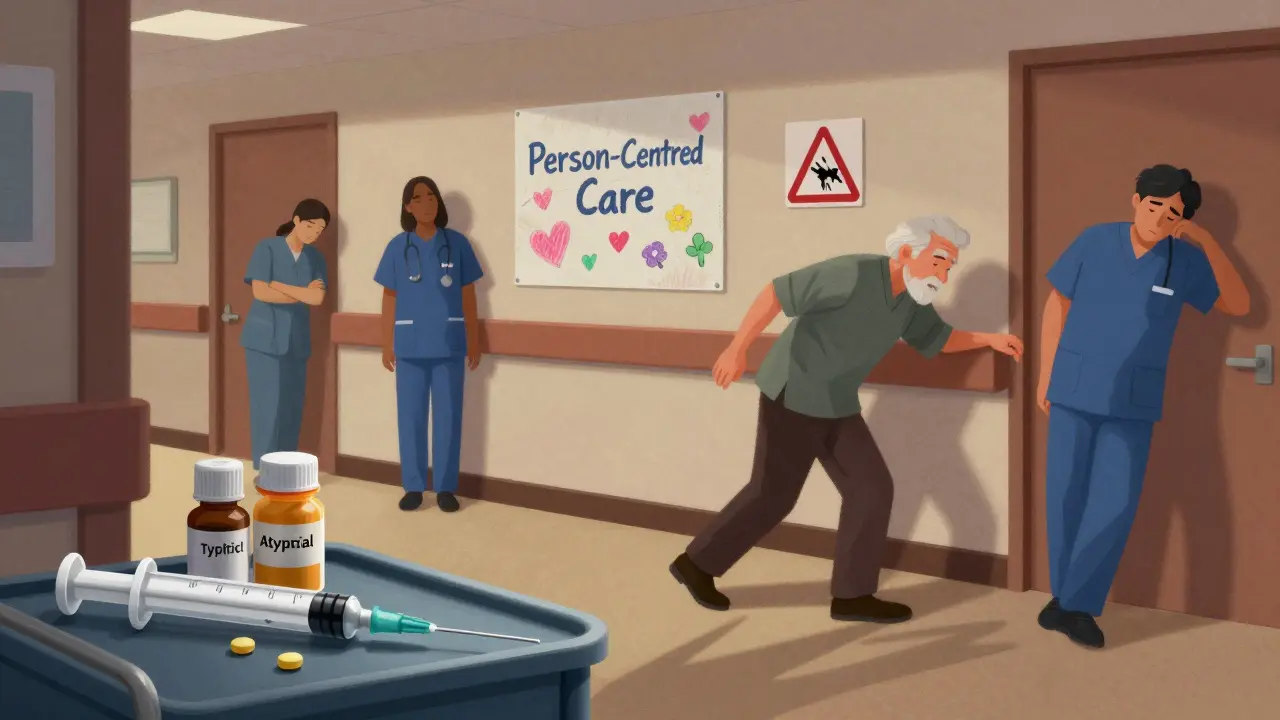
Typical vs. Atypical Antipsychotics: Is One Safer?
There are two main types of antipsychotics:- Typical (first-generation): Older drugs like haloperidol and fluphenazine. They’re cheaper but have more severe side effects.
- Atypical (second-generation): Newer drugs like risperidone, quetiapine, and olanzapine. These are more commonly prescribed today because they were thought to be safer.
Many families and doctors assume atypical antipsychotics are the better choice. But research shows that’s not true when it comes to stroke risk.
A 2023 review in Neurology analyzed five large studies and found that while both types increase stroke risk, long-term use of typical antipsychotics carries an even higher risk than atypicals. Another study from the American Journal of Epidemiology found that stroke partially explains why typical antipsychotics lead to more deaths - meaning the brain damage from stroke is directly tied to the higher mortality rate.
Even the newer drugs aren’t safe. A 2012 study from the American Heart Association found that after adjusting for how long people were exposed, antipsychotic use raised stroke risk by 80%. That’s true for both types.
Who’s Most at Risk?
Not every senior with dementia is equally vulnerable. The highest risk groups include:- Those over 80 years old
- People with existing heart disease, high blood pressure, or diabetes
- Those with advanced dementia - where the brain is already fragile
- Patients in nursing homes, where antipsychotics are often used for staff convenience rather than medical need
One study of 32,710 Canadians found no difference in stroke rates between typical and atypical antipsychotic users. Another study of nearly 5,000 nursing home residents showed the same pattern. The drug class doesn’t matter as much as the fact that any antipsychotic is being used at all.
Why Are These Drugs Still Prescribed?
If the risks are so clear, why are antipsychotics still given to over 1.7 million seniors with dementia in the U.S. every year?The answer is complicated. Families are desperate. Caregivers are overwhelmed. Nursing homes are understaffed. Antipsychotics can make a difficult person seem calmer - even if it’s just chemical sedation. Many doctors aren’t trained in non-drug alternatives. And some prescribe them because they don’t know the guidelines.
The American Geriatrics Society’s Beers Criteria, updated in 2015, says clearly: Do not use antipsychotics for behavioral symptoms of dementia. But in practice, that advice is often ignored.
What Should Be Done Instead?
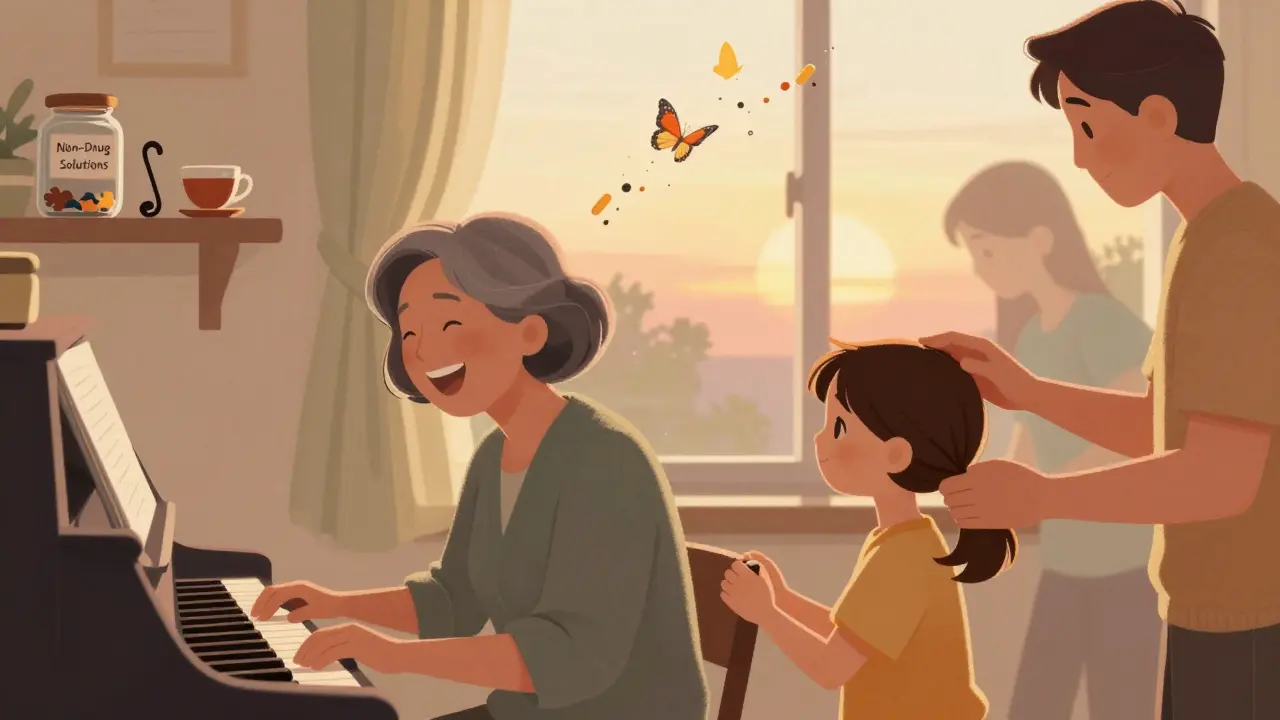
There are effective, safer ways to manage behavioral symptoms - and they work better than drugs in the long run.- Environmental changes: Reduce noise, improve lighting, simplify routines. A calm environment reduces agitation.
- Person-centered care: Understand the person’s history, preferences, and triggers. A person who yells might be in pain, scared, or lonely.
- Behavioral therapy: Trained therapists can teach caregivers how to respond to challenging behaviors without medication.
- Exercise and social engagement: Daily walks, music therapy, and group activities reduce aggression and improve mood.
- Treating underlying causes: Infections (like UTIs), pain, constipation, or sleep problems often cause sudden behavioral changes. Fix those first.
These approaches take more time and training - but they preserve dignity and save lives.
The Bottom Line: When Might Antipsychotics Be Used?
There’s one narrow exception. If a person with dementia is a danger to themselves or others - for example, violently hitting staff or trying to jump out of a window - and all non-drug options have failed, a very short course of antipsychotics might be considered. Even then:- Use the lowest possible dose
- Monitor closely for side effects
- Re-evaluate every week
- Stop as soon as possible
There’s no safe long-term use. No safe dose. No safe drug. The risk is real, and it’s immediate.
Every time an antipsychotic is prescribed for dementia, it’s not just a medical decision - it’s a moral one. Are we helping the person, or just making their behavior easier to manage?
Do antipsychotics help with dementia symptoms?
Antipsychotics may temporarily reduce agitation or aggression in some people with dementia, but they don’t treat the disease itself. The calming effect is due to sedation, not improvement in thinking or memory. Studies show these drugs increase the risk of stroke and death without improving quality of life.
Are atypical antipsychotics safer than typical ones for dementia patients?
No. While atypical antipsychotics were once thought to be safer, research shows both types carry the same high risk of stroke and death in seniors with dementia. Long-term use of typical antipsychotics may carry an even higher risk, but even short-term use of any antipsychotic increases danger.
How soon after starting an antipsychotic does stroke risk go up?
Risk rises within weeks - even days. A 2012 study from the American Heart Association found that stroke risk increased significantly after just a few weeks of use. This contradicts the old idea that only long-term use is dangerous. The brain is vulnerable, and antipsychotics disrupt blood flow quickly.
What are the signs that an antipsychotic is causing harm?
Watch for sudden dizziness, slurred speech, weakness on one side of the body, confusion, or falling. These could be early signs of stroke. Other signs include extreme sleepiness, muscle stiffness, or difficulty swallowing. If any of these appear, stop the medication and seek medical help immediately.
Can antipsychotics be stopped safely in someone with dementia?
Yes - and it’s often safer to stop than to keep taking them. Withdrawal should be done slowly under medical supervision, as sudden stopping can cause rebound agitation or movement disorders. But many patients improve once the drug is removed. Studies show behavioral symptoms often return to baseline levels after discontinuation, without increased risk.
What should I do if my loved one is already on an antipsychotic?
Talk to the prescribing doctor immediately. Ask: Why was this prescribed? Have non-drug options been tried? Is this the lowest possible dose? Can we start tapering it? Bring a list of all medications and ask for a full review. Many families are surprised to learn they have the right to refuse or discontinue these drugs - especially when they’re being used off-label for dementia.






Jigar shah
December 17, 2025 AT 20:34Interesting breakdown. I’ve seen this firsthand with my grandfather-his agitation improved on risperidone, but within weeks he started stumbling and slurring. The doctor dismissed it as ‘just aging.’ Now I wonder if we accelerated his decline. The data here is terrifyingly clear: no benefit, only risk. Why are we still normalizing chemical restraint in elder care?
Kent Peterson
December 19, 2025 AT 01:49Let’s be real-this is just another liberal scare tactic wrapped in medical jargon. People need calm! If a 90-year-old with dementia is screaming all night, hitting nurses, and wrecking the unit, what’s the alternative? Let him tear the place apart? Antipsychotics aren’t perfect, but they’re not murder pills. The FDA warning? Overblown. And don’t get me started on ‘person-centered care’-sounds nice until you’re the one cleaning up vomit at 3 a.m.
Josh Potter
December 20, 2025 AT 11:55Y’all are overcomplicating this. My grandma was on quetiapine for 3 weeks-suddenly she was smiling, eating, watching TV. No more yelling. No more throwing food. Doctors told us it was risky? Cool. But she was HAPPY. And alive. For once. I’m not gonna feel guilty for giving her peace. If the meds let her be human again, then they’re worth it. Stop guilt-tripping families who just want their loved ones to rest.
Jody Patrick
December 21, 2025 AT 15:35Antipsychotics kill. Period.
Radhika M
December 22, 2025 AT 09:13I work in a nursing home in Mumbai. We don’t use antipsychotics unless it’s an emergency. We play old Bollywood songs, give foot massages, and let people sit in the garden. Agitation drops by 70%. No pills. No side effects. Just love and patience. It takes more staff, yes-but it’s cheaper than treating strokes.
Philippa Skiadopoulou
December 24, 2025 AT 04:44The evidence is unequivocal. The use of antipsychotics in dementia-related behavioral symptoms constitutes a violation of the principle of non-maleficence. Non-pharmacological interventions, though resource-intensive, are ethically and clinically superior. Regulatory guidelines have been clear since 2005. Continued use reflects systemic failure, not clinical necessity.
Pawan Chaudhary
December 25, 2025 AT 22:18Hey, I know it’s scary-but there’s hope! My aunt was on olanzapine for months, and we slowly weaned her off with the help of a dementia specialist. Within a month, she started recognizing my kids again. She didn’t just calm down-she came back to us. It’s not easy, but it’s possible. Don’t give up on people. They’re still in there.
Linda Caldwell
December 25, 2025 AT 22:58I used to think meds were the answer-until my mom had a mini-stroke after 6 weeks on risperidone. She’s fine now, but the fear? It’s still there. I started doing daily walks with her, playing her favorite jazz records, and now she laughs more than she did in years. It’s not magic-it’s just human connection. And it works better than any pill. Don’t let fear make you choose the easy way out.
Sam Clark
December 27, 2025 AT 05:59Thank you for this comprehensive and clinically grounded exposition. The ethical imperative to prioritize patient dignity over caregiver convenience cannot be overstated. I urge all clinicians to revisit the Beers Criteria, engage in interdisciplinary care planning, and prioritize non-pharmacological interventions as first-line strategies. The data is not ambiguous; the path forward is clear. We must act with both courage and compassion.