24
Celiac Disease: Gluten-Free Living and Nutrient Supplementation
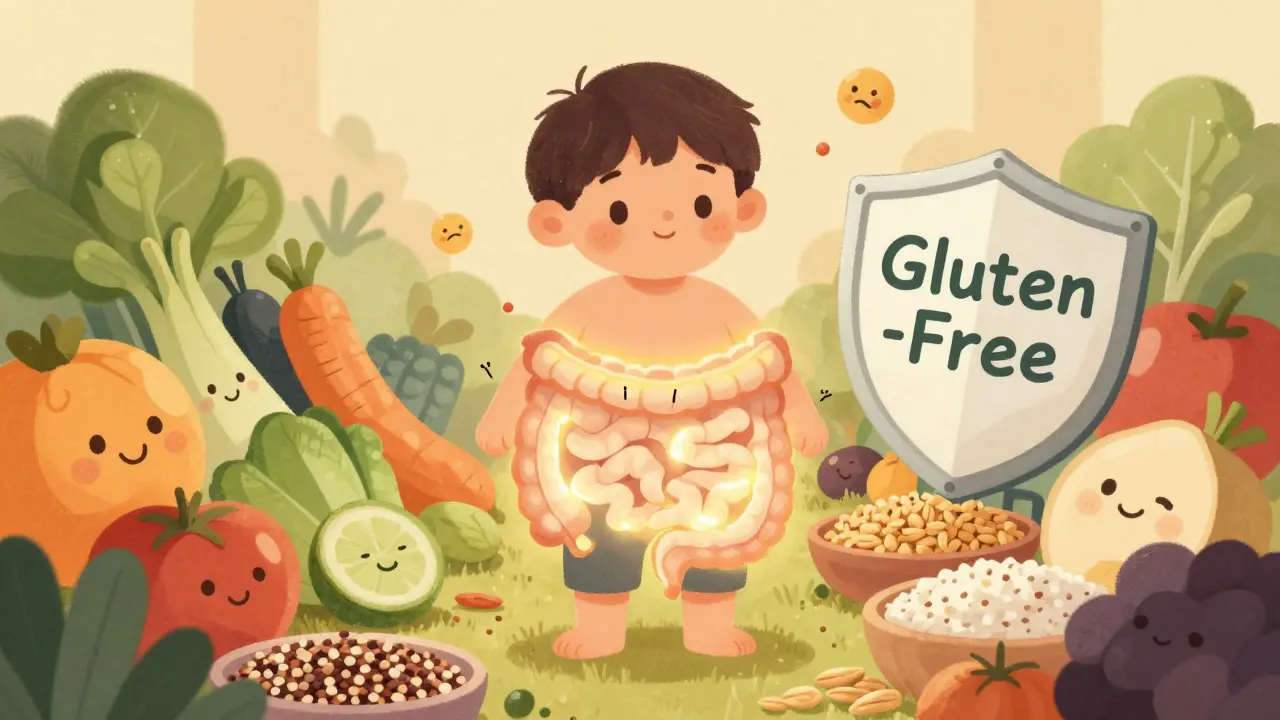
Living with celiac disease isn’t just about avoiding bread or pasta. It’s about relearning how to eat, how to shop, and how to protect your body from something invisible that can cause serious harm. For people with this autoimmune condition, even a tiny amount of gluten - as little as a crumb - can trigger damage to the small intestine. That damage stops your body from absorbing the nutrients it needs, leading to fatigue, bone loss, anemia, and long-term health risks. The good news? With the right approach, most people feel dramatically better within weeks. The challenge? Sticking to a gluten-free diet isn’t as simple as reading labels. And that’s where nutrient supplementation becomes just as important as avoiding wheat.
What Exactly Happens in Celiac Disease?
Celiac disease isn’t a food allergy or a sensitivity. It’s an autoimmune disorder. When someone with celiac eats gluten - a protein found in wheat, barley, and rye - their immune system attacks the lining of the small intestine. Over time, the finger-like projections called villi that help absorb nutrients get flattened. Think of it like a carpet being worn down until it’s smooth. Without villi, your body can’t pull in iron, calcium, vitamin D, or B vitamins the way it should.
This isn’t rare. About 1 in 100 people worldwide have celiac disease, and many don’t even know it. Symptoms vary wildly. Some people have diarrhea, bloating, and weight loss. Others have no digestive issues at all - just joint pain, brain fog, skin rashes, or unexplained anemia. In kids, it often shows up as poor growth or delayed puberty. The key trigger? Gluten. The only treatment? Complete, lifelong removal of gluten from the diet.
What Foods Are Safe? What’s Hidden?
Safe foods include naturally gluten-free grains like rice, quinoa, buckwheat, millet, and certified gluten-free oats. Fruits, vegetables, meat, fish, eggs, dairy, beans, nuts, and oils are all fine - as long as they aren’t mixed with gluten-containing additives. But here’s where it gets tricky.
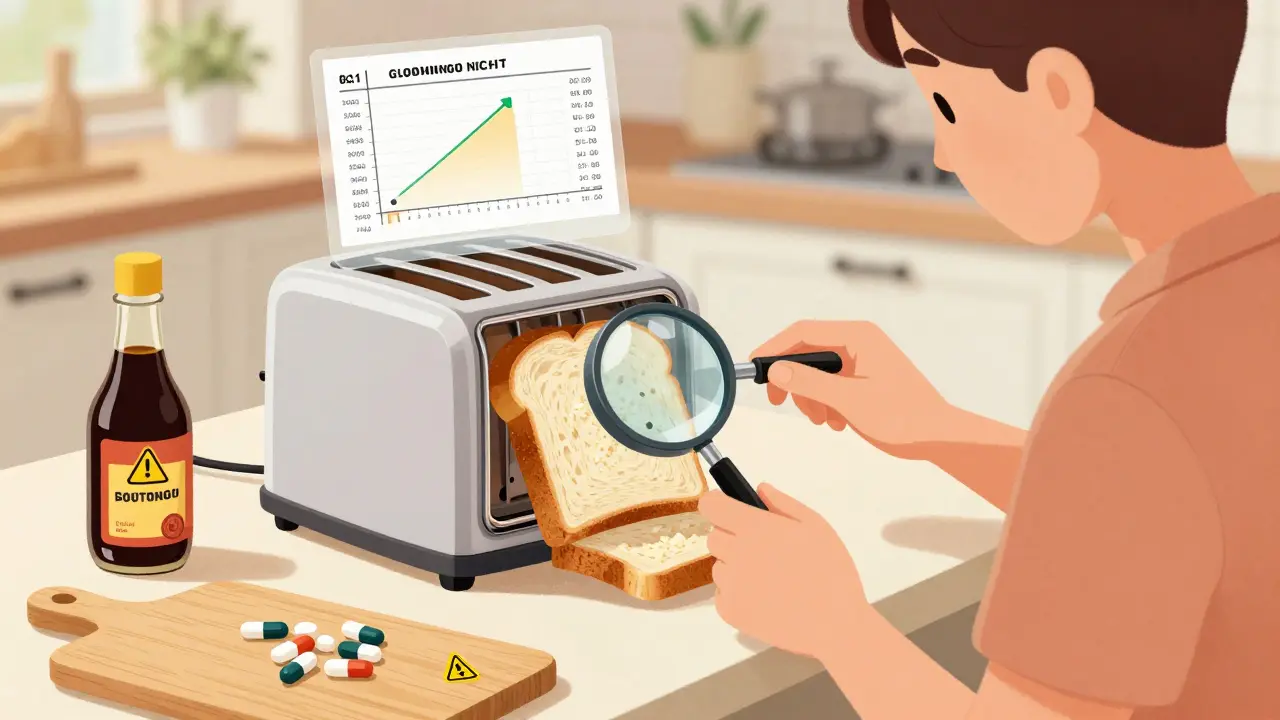
Gluten hides in places you wouldn’t guess. Soy sauce often contains wheat. Malt vinegar is made from barley. Some medications use wheat starch as a filler. Even communion wafers, lip balm, and Play-Doh can contain gluten. Cross-contamination is a silent killer. A toaster that’s used for regular bread? A shared cutting board? A fryer used for breaded chicken? One of those can ruin weeks of careful eating.
Label reading is non-negotiable. In the U.S., the FDA requires products labeled “gluten-free” to contain less than 20 parts per million (ppm) of gluten. That’s safe for most people. But “wheat-free” doesn’t mean gluten-free. You might see a product that says “wheat-free” but still contains rye or barley. Always check the ingredient list. If you’re unsure, skip it.
Why Nutrient Supplementation Isn’t Optional
By the time celiac disease is diagnosed, most people are already deficient in key nutrients. Studies show:
- 12% to 63% have iron deficiency - leading to fatigue and anemia
- 37% to 75% are low in vitamin D - increasing risk of bone fractures
- 25% to 40% lack calcium - directly affecting bone density
- Many are low in B vitamins, especially folate and B12 - which can cause nerve damage and cognitive issues
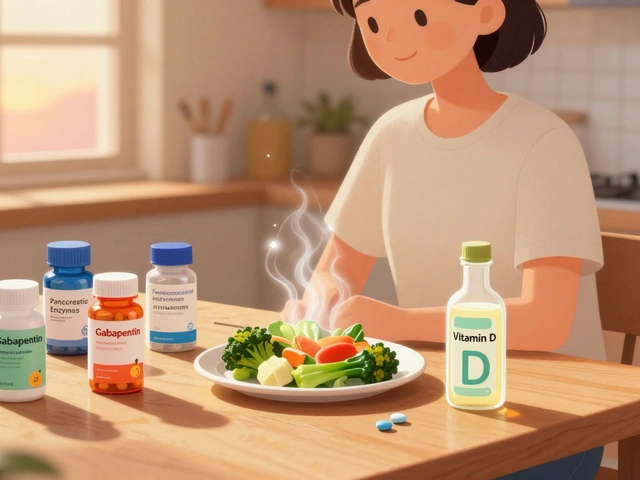
Just going gluten-free doesn’t fix this overnight. Healing the gut takes time - often 6 to 12 months. During that time, your body still isn’t absorbing nutrients well. That’s why supplements aren’t just helpful - they’re essential.
Here’s what most experts recommend:
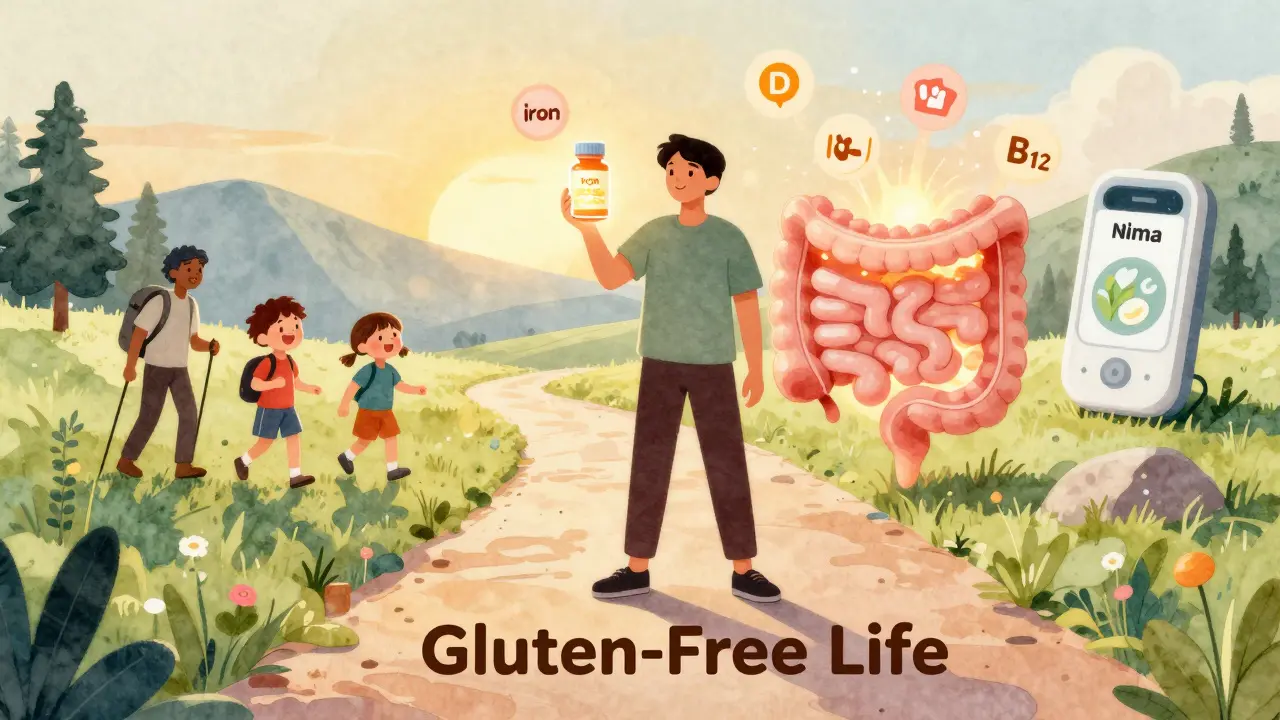
- Iron: 18 mg daily for women, 8 mg for men. Many need higher doses or even IV iron if oral supplements don’t help.
- Calcium: 1,000 to 1,200 mg per day. Pair it with vitamin D for better absorption.
- Vitamin D: 600-800 IU daily, but many need 2,000-5,000 IU to correct deficiency. Blood tests are critical to find your personal dose.
- Folate (B9): 400 mcg daily. Choose methylfolate, not folic acid - it’s better absorbed.
- Vitamin B12: 250-500 mcg daily. Sublingual (under-the-tongue) forms work best for people with absorption issues.
- Magnesium: 400 mg daily. Often overlooked, but helps with muscle cramps, sleep, and nerve function.
Don’t guess. Get tested. A simple blood panel can show exactly what you’re missing. Then, work with a dietitian who understands celiac disease to build a plan.
Gluten-Free Oats: Safe or Not?
For years, oats were banned for people with celiac disease. Now, the science has shifted. Certified gluten-free oats - processed in dedicated facilities to avoid cross-contamination - are safe for 95% of people. The European Society for the Study of Coeliac Disease updated its guidelines in 2025 to include them.
But here’s the catch: 5% of people still react. Why? Because oats contain a protein called avenin, which is similar to gluten. For some, it triggers inflammation. If you want to try oats, start slow. Begin with 1/4 cup per day, and wait 2-4 weeks. Watch for symptoms like bloating, fatigue, or skin rash. If nothing changes, you’re likely fine. If symptoms return, stop immediately.
Why Some People Still Don’t Feel Better
If you’re eating gluten-free and still tired, bloated, or in pain - you’re not alone. About 30% of people with celiac disease continue to have symptoms even after going gluten-free. Why?
- Hidden gluten: Cross-contamination at restaurants, shared kitchen tools, or even medications.
- Other food intolerances: Many develop lactose intolerance or FODMAP sensitivity after gut damage.
- Unaddressed deficiencies: Not enough iron, B12, or vitamin D.
- Refractory celiac disease: A rare form (affects 15-30%) where the gut doesn’t heal even with strict dieting.
One patient in Birmingham reported feeling fine for six months, then started having chronic headaches. She discovered her multivitamin contained barley malt - a hidden gluten source. After switching brands, her symptoms vanished.
If you’re stuck, ask for help. A dietitian specializing in celiac disease can audit your meals. A gastroenterologist might recommend a capsule endoscopy to check if your gut is healing. Blood tests for tTG-IgA antibodies can show if you’re still being exposed to gluten.
Living Well: Real Strategies for Daily Life
Managing celiac isn’t about perfection - it’s about awareness. Here’s what works:
- Get a dietitian: Most major hospitals now have gluten-free dietitians. Use them. They’ll help you plan meals, read labels, and avoid pitfalls.
- Use gluten-free restaurant cards: The Celiac Disease Foundation offers cards in 30+ languages. Hand one to the chef. It explains your needs clearly.
- Invest in a dedicated toaster: One for gluten-free bread only. It’s cheaper than medical bills.
- Check your meds: 30% of prescription pills use gluten as a filler. Use the Gluten-Free Drug Database from the University of Chicago to verify.
- Test your levels: Get blood work done at diagnosis, then again at 6 months and 1 year. Track your iron, vitamin D, and B12.
- Join a community: Online groups like r/celiac or Celiac.com offer real-life tips you won’t find in textbooks.
The cost is real. Gluten-free bread costs nearly 160% more than regular bread. But the cost of not managing it? Higher. Untreated celiac increases your risk of osteoporosis, infertility, nerve damage, and even rare cancers. For most people, strict adherence means symptoms disappear within weeks - and long-term health returns to normal.
What’s Next? Emerging Tools and Hope
The future is getting brighter. New tools are emerging:
- Nima Sensor: A pocket-sized device that tests food for gluten in under 2 minutes. It detects levels as low as 20 ppm.
- Enzyme therapies: Drugs like Latiglutenase are in late-stage trials. They break down gluten in the stomach before it reaches the intestine.
- Diagnostic advances: The 2025 European guidelines now allow diagnosis without biopsy in children - using blood tests and symptoms alone.
While a cure isn’t here yet, the tools to manage celiac disease are better than ever. What matters most is consistent care - not just avoiding gluten, but actively rebuilding your health.
Can you outgrow celiac disease?
No. Celiac disease is a lifelong autoimmune condition. Unlike a food allergy, it doesn’t go away with time. Even if symptoms disappear, the immune system still reacts to gluten. Continuing to eat gluten, even without symptoms, leads to ongoing intestinal damage and increases the risk of serious complications like cancer and osteoporosis.
Are gluten-free products always healthier?
Not at all. Many gluten-free processed foods are high in sugar, fat, and refined starches to mimic texture. A gluten-free cookie is still a cookie. Focus on whole, unprocessed foods - vegetables, fruits, lean proteins, legumes, and naturally gluten-free grains. Relying on packaged gluten-free products can lead to weight gain and nutrient gaps.
Why do I still feel tired after going gluten-free?
Fatigue often lingers because nutrient deficiencies take time to correct. Iron, B12, and vitamin D levels may still be low even after eliminating gluten. It can take 6-12 months for the gut to heal fully. If fatigue persists, get blood work done. You may need higher-dose supplements or IV iron. Also, check for thyroid issues or sleep disorders - they’re common in people with autoimmune conditions.
Can I drink alcohol with celiac disease?
Yes - but choose carefully. Distilled spirits like vodka, gin, whiskey, and rum are generally safe because the distillation process removes gluten proteins. Wine and hard ciders are also gluten-free. Avoid beer, malt liquor, and flavored spirits unless labeled gluten-free. Some people react to trace gluten in distilled products, so monitor how you feel.
How do I know if my gluten-free diet is working?
Symptoms like bloating, diarrhea, and fatigue should improve within weeks. But the best way to know is through medical testing. Repeat blood tests for tTG-IgA antibodies - levels should drop significantly within 6-12 months. A follow-up DEXA scan can show if bone density is improving. And regular blood tests for iron, vitamin D, and B12 will confirm if your supplementation is working. Don’t rely on how you feel alone.



Anil bhardwaj
February 24, 2026 AT 14:09Been gluten-free for 5 years now. Still forget to check shampoo labels. Learned the hard way when my scalp broke out like a bad horror movie. Turns out some conditioners have wheat protein. Weird, right? Just sayin’.
Joanna Reyes
February 25, 2026 AT 12:42It’s wild how much people assume going gluten-free is just about swapping bread. I used to think it was just ‘no pasta, no pizza’ until I had my first blood panel after diagnosis. Iron was at 6, vitamin D at 11, B12 barely registering. My doctor said I was basically running on fumes. It took 14 months of supplements and strict avoidance to even feel like myself again. And yeah, I still get paranoid about cross-contamination - I’ve got a separate toaster, a dedicated spatula, and I wash my hands before touching anything in the kitchen. It’s not an overreaction. It’s survival.
Vanessa Drummond
February 25, 2026 AT 16:56Ugh, I hate when people say ‘just try it, maybe you’re fine’ - like celiac’s a phase. I had a cousin who ate a slice of wedding cake ‘just once’ and ended up in the ER. Her tTG-IgA shot up like a rocket. She’s still not healed. People don’t get it. This isn’t a diet. It’s a medical emergency with a fork.
William James
February 27, 2026 AT 10:29My grandma had celiac back in the 80s and they told her to eat more potatoes. She died of osteoporosis at 62. I wish someone had told her about vitamin D. Now I’m the one reminding my niece to get her levels checked every six months. We’re lucky we have better info now. But it still feels like we’re fighting a war with invisible enemies - and most people don’t even know there’s a battlefield.
lela izzani
February 28, 2026 AT 21:10Just wanted to say thank you for the detailed supplement info. I’ve been on 1000 IU of D3 for months and still feel drained. Turns out I need 5000 IU - my doctor was shocked I hadn’t been tested sooner. I’m on methylfolate now too. No more brain fog. Small changes, huge difference. Also, certified oats? Game changer. I eat them every morning now. Just wish they were cheaper.
Nerina Devi
March 2, 2026 AT 07:36As someone from India where gluten isn’t even a common topic, I’ve been sharing this with my family. My aunt was misdiagnosed for years with ‘stress’ - turns out she had celiac. We switched her to rice, millet, and lentils. No more bloating. No more fatigue. She’s walking 5km daily now. It’s not magic. It’s science. And it’s worth spreading.
Southern Indiana Paleontology Institute
March 3, 2026 AT 19:08gluten free bread costs 5x more? that’s why america is broke. just eat corn tortillas. or rice. or meat. why do we need fancy gluten free crap? stop being weak. also, check your meds? nah, just stop being a baby. i eat wheat. i’m fine. you’re just not tough enough.
kirti juneja
March 5, 2026 AT 01:01My sister’s a celiac warrior. She’s got a little green notebook where she writes down every meal, every reaction, every hidden gluten source. She’s like a detective with a spice rack. Last week she caught a sneaky gluten in her ‘gluten-free’ soy sauce - turned out to be fermented barley. She called the company. They apologized. Now they label it better. That’s the kind of quiet power we need - not rage, but relentless clarity.
Dinesh Dawn
March 6, 2026 AT 12:39Just started the gluten-free thing last month. Still learning. Tried a ‘gluten-free’ pasta that tasted like wet cardboard. Gave up and went back to rice noodles. Also, I didn’t know Play-Doh had gluten. My toddler licked it. Now I keep it locked up. Weird, right? But now I’m into quinoa bowls and roasted veggies. Honestly? I feel better. Not perfect. But better.
Haley Gumm
March 8, 2026 AT 09:14My friend had refractory celiac. She’s been gluten-free for 10 years and still has chronic inflammation. She had to go on immunosuppressants. It’s terrifying. No one talks about this. The article says 15-30% - that’s not a footnote. That’s a whole group of people living in the shadows. We need more research. More awareness. More compassion.
David McKie
March 9, 2026 AT 15:52You people are pathetic. You’re all so obsessed with your ‘gluten-free lifestyles’ like it’s some holy ritual. I’ve eaten wheat my whole life. I’ve never had a problem. You’re not ‘healing’ - you’re just indulging in medical theater. Supplements? Toaster? Oats? Please. You’re turning a medical condition into a lifestyle brand. And now you’re telling others how to live? Get a grip. This isn’t a cult. It’s a protein.