19
How to Manage Multiple Pharmacies and Prescribers Safely

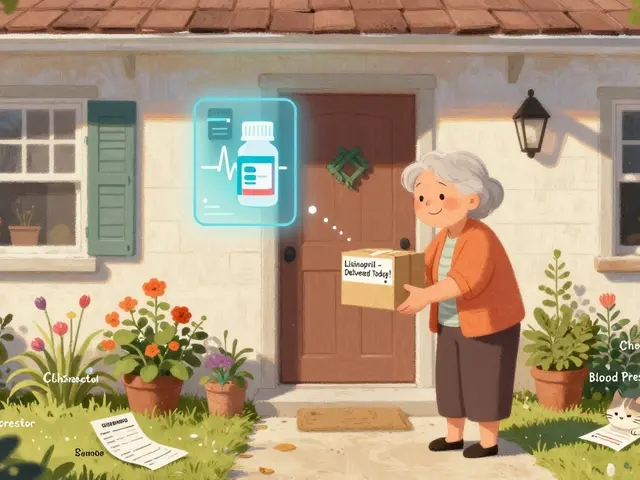
Managing medications for seniors across multiple pharmacies and prescribers isn’t just complicated-it’s dangerous. When a senior sees three different doctors, fills prescriptions at two different stores, and uses a mix of brand and generic drugs, the risk of harmful interactions, duplicate prescriptions, or missed refills skyrockets. Without a centralized system, errors happen. And for older adults, those errors can mean hospital trips, falls, or worse.
Why Multi-Location Pharmacy Systems Are Non-Negotiable
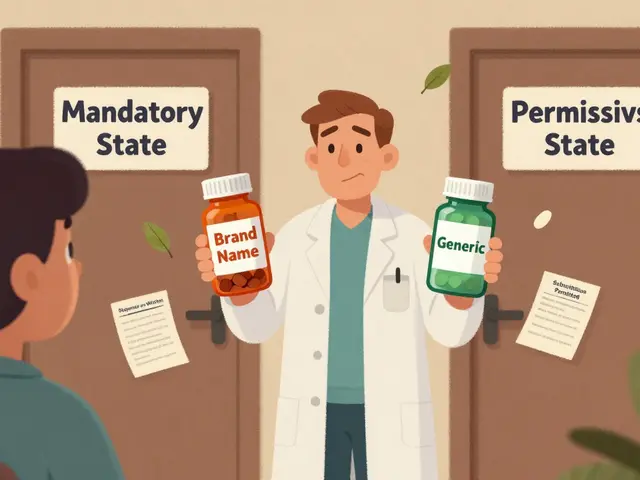
The problem isn’t that seniors take too many pills. It’s that no one has a clear view of what they’re taking, where it’s coming from, or who prescribed it. A 2023 study from the American Journal of Health-System Pharmacy found that 17% of medication errors in multi-pharmacy settings came from inconsistent drug names. One pharmacy calls a drug "Metoprolol Tartrate," another calls it "Lopressor." The system doesn’t know they’re the same. The patient doesn’t know. And the pharmacist at the second location might refill it without realizing the patient is already taking it elsewhere. Centralized pharmacy management software fixes this by maintaining a universal drug file. Every medication, whether brand or generic, is matched to its National Drug Code (NDC). That means no matter which location processes the prescription, the system recognizes it as the same drug. EnterpriseRx by McKesson, PrimeRx by PioneerRX, and Datascan’s Central Store Management all do this. They sync drug names, dosages, pricing, and inventory across all locations daily. This isn’t a luxury-it’s a safety requirement.How These Systems Prevent Errors Before They Happen
Modern pharmacy management platforms don’t just store data-they actively prevent mistakes. Here’s how:- Real-time prescription alerts: If a patient fills a prescription for a blood thinner at one location and another pharmacy tries to fill a second one, the system flags it immediately. The pharmacist sees the conflict before the script is dispensed.
- Automated inventory balancing: Datarithm’s system reduces inventory-related errors by 28% by automatically recommending transfers between locations. If one store runs low on a critical medication, the system suggests moving stock from another location instead of letting the patient go without.
- Prescription transfer tracking: PrimeRx lets patients designate a "preferred pickup location" across the chain. When a prescriber sends a new script, it goes to that location automatically. No more confusion over which pharmacy has the prescription.
- Controlled substance monitoring: Datascan’s Watchdog feature tracks all controlled substance fills across every location. If a patient picks up oxycodone on Monday at Store A and again on Wednesday at Store B, the system alerts the central pharmacy manager-no login required.
Security and Compliance: More Than Just Passwords
HIPAA compliance isn’t enough. With prescriptions moving between locations, data must be encrypted end-to-end. EnterpriseRx and DocStation use AES-256 encryption for all transfers between pharmacies. That’s the same level of security used by banks and the federal government. But encryption alone doesn’t stop insider threats. DocStation introduced FIDO2 security keys for central office access. Instead of a password that can be stolen or shared, pharmacists use a physical key that must be plugged into the computer to approve sensitive actions like overriding a drug interaction alert or transferring a controlled substance record. In 2022, clients using FIDO2 saw unauthorized access attempts drop by 94%. And compliance isn’t optional anymore. Medicare Part D now requires chains to track cross-location prescription errors. CMS won’t reimburse pharmacies that can’t prove they’re monitoring for duplicates or interactions across all locations. That’s why 44% of independent chains adopted centralized systems between 2021 and 2023.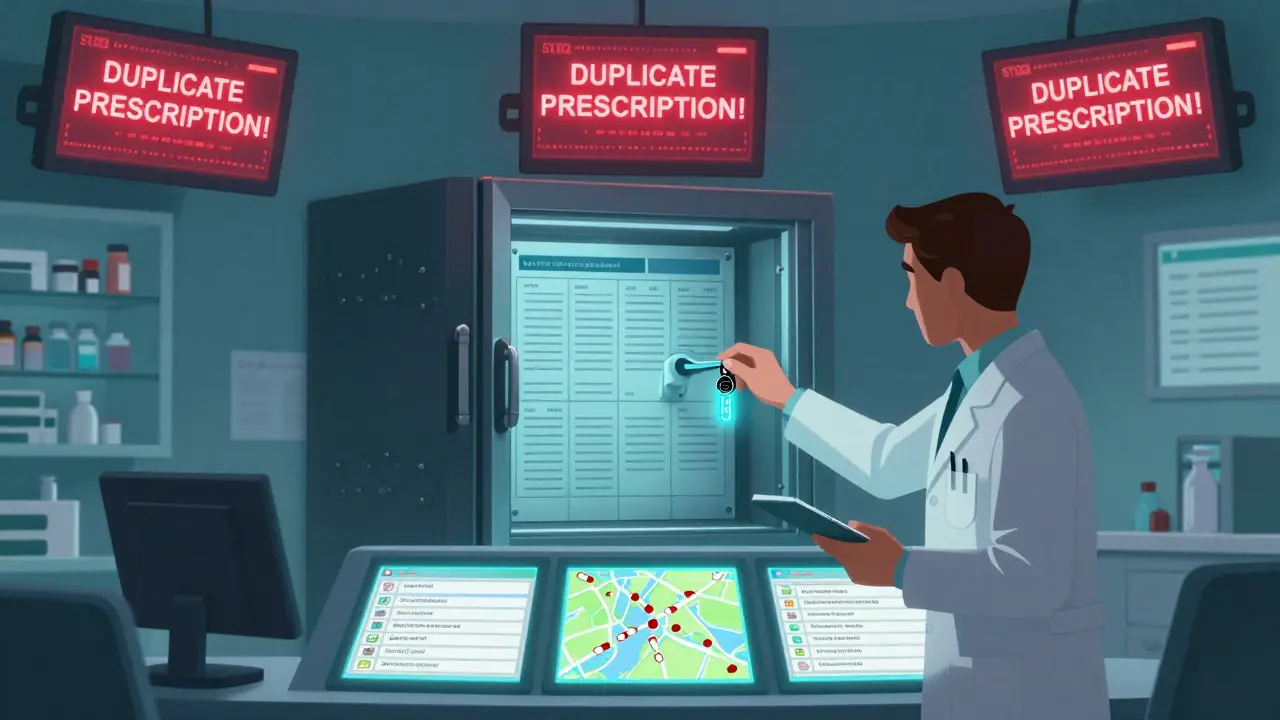
Choosing the Right System: What Actually Matters
Not all systems are built the same. Here’s what to look for:| Feature | EnterpriseRx (McKesson) | PrimeRx (PioneerRX) | Datascan Central Store | DocStation |
|---|---|---|---|---|
| Max Locations Supported | Unlimited | Unlimited | Unlimited | Unlimited |
| Prescription Error Reduction | 29% (PQA 2022) | 21% (Case Study) | 28% (Datarithm 2022) | 19% (Clinical Focus) |
| Uptime Guarantee | 99.99% | 99.98% | 99.97% | 99.99% |
| Mobile Access | iOS & Android | iOS & Android | iOS & Android | iOS & Android |
| Cost per Location (Monthly) | $450 (down to $325 at 15+) | $399 | $375 | $349 |
| Specialty Pharmacy Support | Basic | Basic | Basic | Yes (with add-ons) |
| AI-Powered Safety | Coming in 2024 (Epic integration) | No | AI Watchdog 2.0 (2024) | No |
EnterpriseRx leads in prescription processing speed, reducing wait times by 32% in high-volume chains. PrimeRx wins for patient experience-its transfer system is so seamless, 89% of users rate it 4+ stars. But if your chain runs clinical services like flu shots or diabetes counseling, DocStation’s integrated billing system increases revenue by up to 87%. And for chains worried about opioid diversion, Datascan’s AI Watchdog 2.0, launched in January 2024, analyzes prescription patterns across all locations to flag potential abuse with 92.4% accuracy.
The Hidden Cost: Implementation and Training
Switching systems isn’t plug-and-play. On average, it takes 8-12 weeks to migrate data, train staff, and go live. Chains with 5-10 locations report spending 147 staff hours on the transition alone. One Southeast pharmacy chain delayed its entire flu shot program by three weeks because staff were still learning the new software. Training matters. Chains that used vendor-certified trainers saw 12% higher adoption rates than those who trained internally. Pharmacists need 24 hours of training. Technicians need 16. And don’t skip the practice runs. One mistake during data migration can mean 14.7% of patient records need manual review. The best approach? Use the "hub-and-spoke" model. One central location manages drug files, pricing, and inventory transfers. Local pharmacies keep clinical control-pharmacists still verify each script, catch interactions, and talk to patients. A 2023 University of California study showed this model cut medication errors by 38% compared to fully centralized clinical decision systems.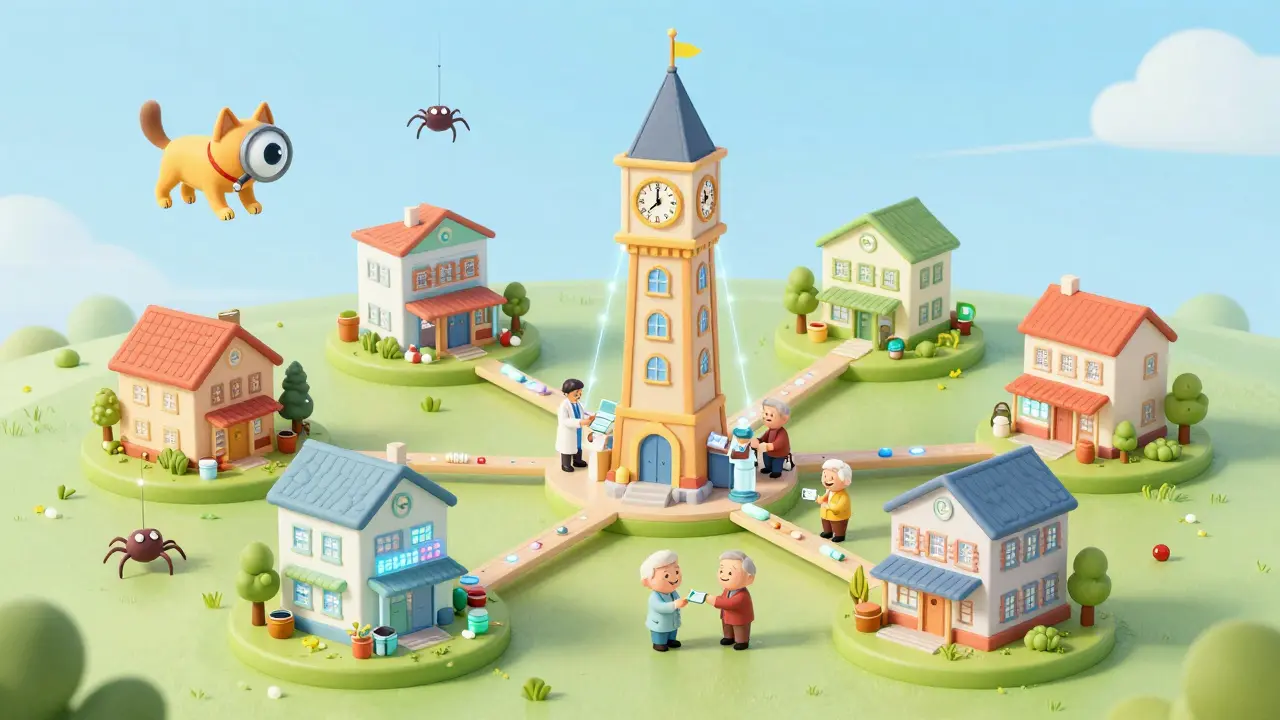
What’s Next: AI, Blockchain, and the Future of Safety
The next wave of pharmacy safety isn’t just about better software-it’s about smarter systems. Datascan’s AI Watchdog 2.0 is just the start. By 2025, CMS will require all pharmacy systems to support FHIR API standards. That means real-time communication between pharmacies, prescribers, and electronic health records (EHRs). EnterpriseRx’s upcoming integration with Epic EHRs will let prescribers send alerts directly into the pharmacy system. If a cardiologist changes a patient’s blood pressure med, the pharmacy gets an automated notice-no more waiting for a fax or phone call. And then there’s blockchain. Outcomes.com’s 2023 pilot cut prescription fraud by 67% in multi-location chains by creating an immutable ledger of every prescription fill. If a script is altered or duplicated, the system knows. It’s not mainstream yet, but by 2027, the Pharmacy Quality Alliance predicts centralized systems will be mandatory for any chain with three or more locations.Final Checklist: Are You Safe?
If you manage multiple pharmacies or prescribers for seniors, ask yourself:- Do all locations use the same drug names and NDC codes?
- Can a pharmacist see a patient’s full prescription history from any location?
- Is there an automated alert for duplicate therapies or controlled substance overlaps?
- Are all data transfers encrypted with AES-256?
- Do staff have access to mobile tools to check prescriptions on the go?
- Have you trained staff on how to use the system-not just how to click buttons, but how to interpret alerts?
If you answered "no" to any of these, you’re leaving patients at risk. The technology exists. The data proves it works. The question isn’t whether you can afford to upgrade-it’s whether you can afford not to.
Can a senior patient use two different pharmacies without risking medication errors?
Yes, but only if both pharmacies use a centralized management system that shares real-time prescription data. Without that, the risk of duplicate prescriptions, dangerous drug interactions, or missed refills increases dramatically. A 2023 study found that 1.3% of multi-pharmacy prescriptions contain errors due to lack of shared data-enough to cause serious harm in older adults.
Do I need to replace all my current pharmacy software to manage multiple locations?
Not necessarily, but standalone systems designed for single locations won’t work. You need a centralized platform that connects all pharmacies under one drug database and patient record system. Most systems, like EnterpriseRx or PrimeRx, allow you to migrate existing data. The key is choosing a platform built for multi-location use-not one that was retrofitted for it.
How much does a multi-pharmacy management system cost?
Costs range from $299 to $450 per location per month. Liberty Software’s PharmacyOne starts at $299, while EnterpriseRx charges $450 but drops to $325 for chains with 15+ locations. The price includes cloud hosting, updates, and support. The real cost isn’t the monthly fee-it’s the risk of medication errors, regulatory fines, or lawsuits if you don’t have proper oversight.
Can these systems handle specialty medications like cancer drugs or injectables?
General systems like EnterpriseRx and PrimeRx handle standard prescriptions well, but for complex therapies like chemotherapy or biologics, specialty pharmacy software like TherigySTM is better. It integrates with EHRs at 98.7% accuracy compared to 82.3% for general systems, making it essential for chains managing high-risk, high-cost medications.
Is cloud-based software safe for patient data?
Yes, when it uses AES-256 encryption and complies with HIPAA. Leading systems like DocStation and EnterpriseRx store data in secure cloud environments with 99.99% uptime and regular third-party audits. In fact, cloud systems are often safer than on-premise servers, which are more vulnerable to physical theft or ransomware attacks.
What happens if a pharmacy loses internet access?
Modern systems have offline modes that allow pharmacists to fill prescriptions and update records locally. Once connectivity is restored, the system automatically syncs all changes. Datascan and PrimeRx both support this, ensuring patient care never stops-even during outages.