27
Ototoxic Medications: Understanding Drug Risks to Hearing and Essential Monitoring

The Silent Threat in Your Prescription
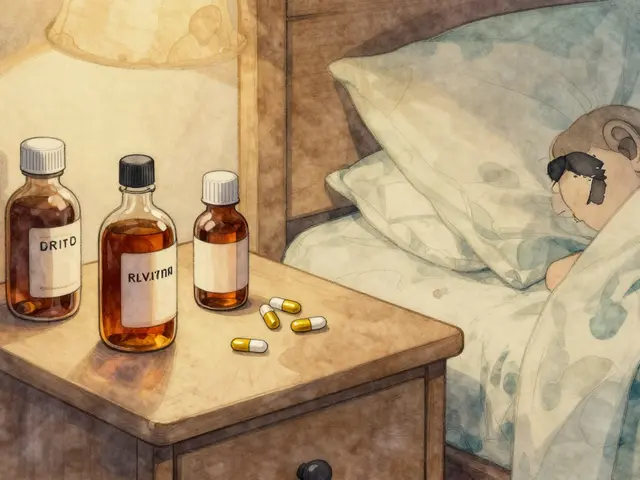
You might have heard of heart medication affecting your rhythm, but fewer people know that many common medicines can permanently damage your hearing. We are talking about ototoxic medications, a class of drugs that can cause irreversible harm to the delicate structures inside your inner ear. This isn't just theoretical; approximately 15 million patients worldwide receive potentially harmful medications annually. What makes this dangerous is that the damage often begins before you notice any symptoms.
By March 2026, we have better understanding of these risks, yet thousands still lose their hearing unnecessarily. This guide cuts through the medical jargon to explain exactly which drugs pose a threat, how they destroy hearing, and what you must do to monitor your safety.
What Is Ototoxicity?
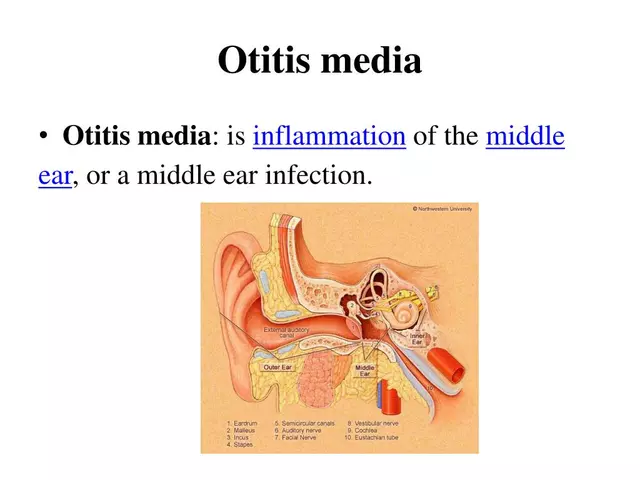
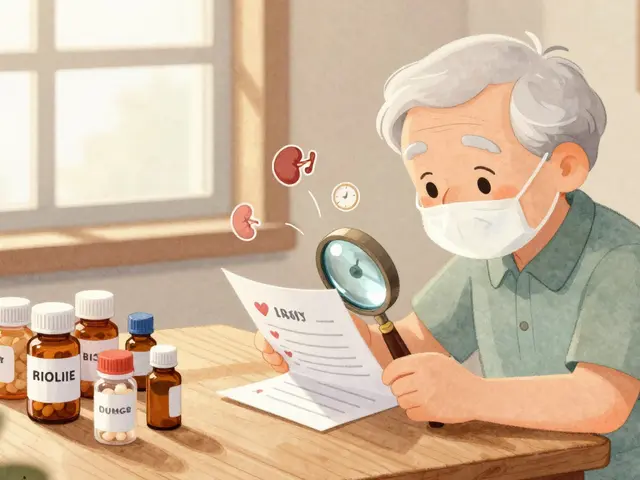
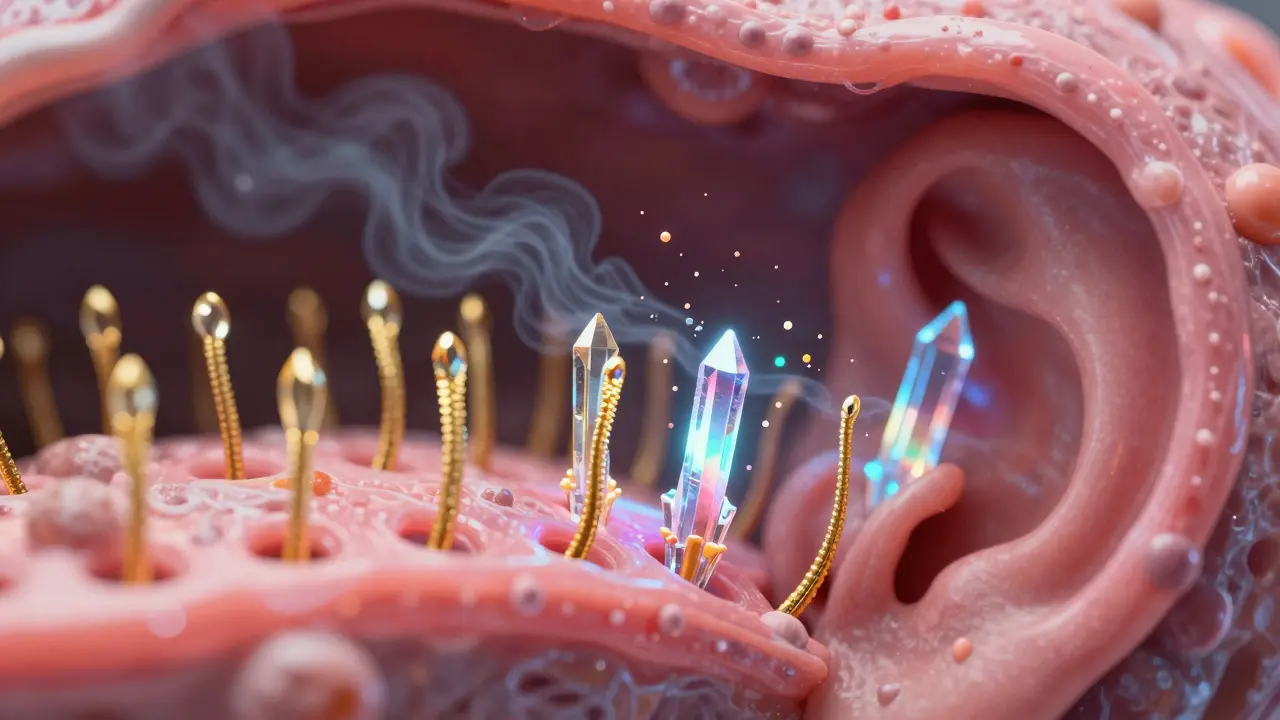
Ototoxicity is damage to the inner ear caused by exposure to certain pharmaceuticals or chemicals. When you take a drug classified as ototoxic, it targets the cochlea (for hearing) or the vestibular system (for balance). These organs rely on tiny sensory hair cells to convert sound waves into signals your brain understands. Unlike skin cells, hair cells in humans do not regenerate. Once destroyed, they stay dead.
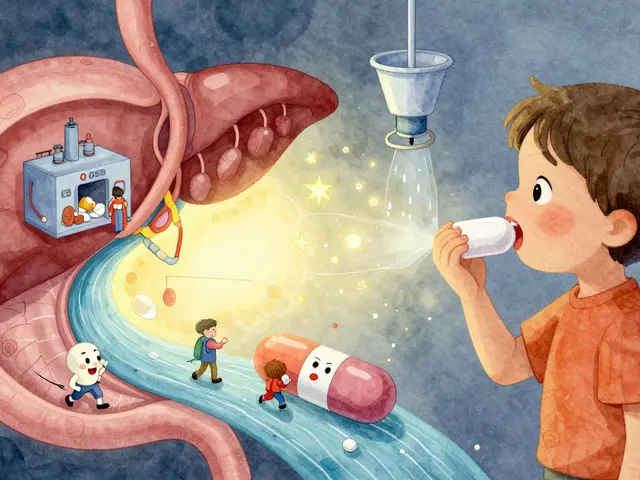
The mechanism is often chemical warfare on a microscopic level. Many of these drugs generate reactive oxygen species-basically unstable molecules that act like shrapnel inside your ear. They attack the blood-labyrinth barrier, which is supposed to protect your inner ear. When that shield fails, toxins flood in, causing inflammation and cell death. Studies from 2021 to 2024 confirm that this damage usually starts in the basal turn of the cochlea, meaning you lose high-frequency hearing first, often around 4,000 to 8,000 Hz, before dropping lower.
Identifying High-Risk Medications
Not all pills carry this risk, but some categories stand out significantly. According to the American Speech-Language-Hearing Association (ASHA), there are over 600 prescription medications identified as potentially ototoxic. However, the danger zones cluster around two main groups: antibiotics used for infections and chemotherapy agents used for cancer.
| Drug Class | Common Examples | Risk Level | Key Symptoms |
|---|---|---|---|
| Aminoglycoside Antibiotics | Gentamicin, Tobramycin, Amikacin, Streptomycin | High (20-63%) | Sudden deafness, dizziness |
| Platinum-Based Chemotherapy | Cisplatin, Carboplatin, Oxaliplatin | Very High (30-60%) | Tinnitus, progressive hearing loss |
| Loop Diuretics | Furosemide | Moderate | Ringing in ears, balance issues |
| Antidepressants (Some) | Amitriptyline, Sertraline | Variable | Tinnitus, subtle hearing shifts |
Cisplatin is a standout culprit. While it saves lives in cancer treatment, it has an incidence rate where 30-60% of patients develop some form of hearing loss. Carboplatin is safer but still carries risk (5-15%). On the antibiotic side, Gentamicin is notorious. If you are treated for severe respiratory infections or tuberculosis with these drugs, your risk jumps significantly if treatment extends beyond seven days.
Recognizing Early Warning Signs
The most frustrating part of ototoxicity is that the damage happens silently until it is advanced. Standard hearing tests typically only go up to 4,000 Hz, but the damage often starts higher, at 6,000, 8,000, or even 12,000 Hz. You might hear conversations fine, but struggle to hear high-pitched alarms, birdsong, or beeping phones.
Patients often report tinnitus first. This manifests as a persistent high-pitched ringing that becomes unbearable in quiet environments. A 2023 survey revealed that many users described this sound as the very first sign something was wrong. Balance issues are another major indicator. Vestibular damage occurs when the drugs affect the fluid dynamics of your inner ear, leading to a sensation of being unsteady or having vertigo. In pediatric cases, parents might notice language development delays because the child cannot hear consonant sounds necessary for speech learning.
The Critical Role of Monitoring
Is hearing loss inevitable? Not necessarily, if you catch it early. The core value of monitoring is intervention. If the doctor detects changes in your audiogram during treatment, they can stop or adjust the dose before the damage becomes permanent. Research indicates that monitored patients see a 30-50% reduction in severe impairment compared to those who aren't tracked.
Effective monitoring follows strict protocols:
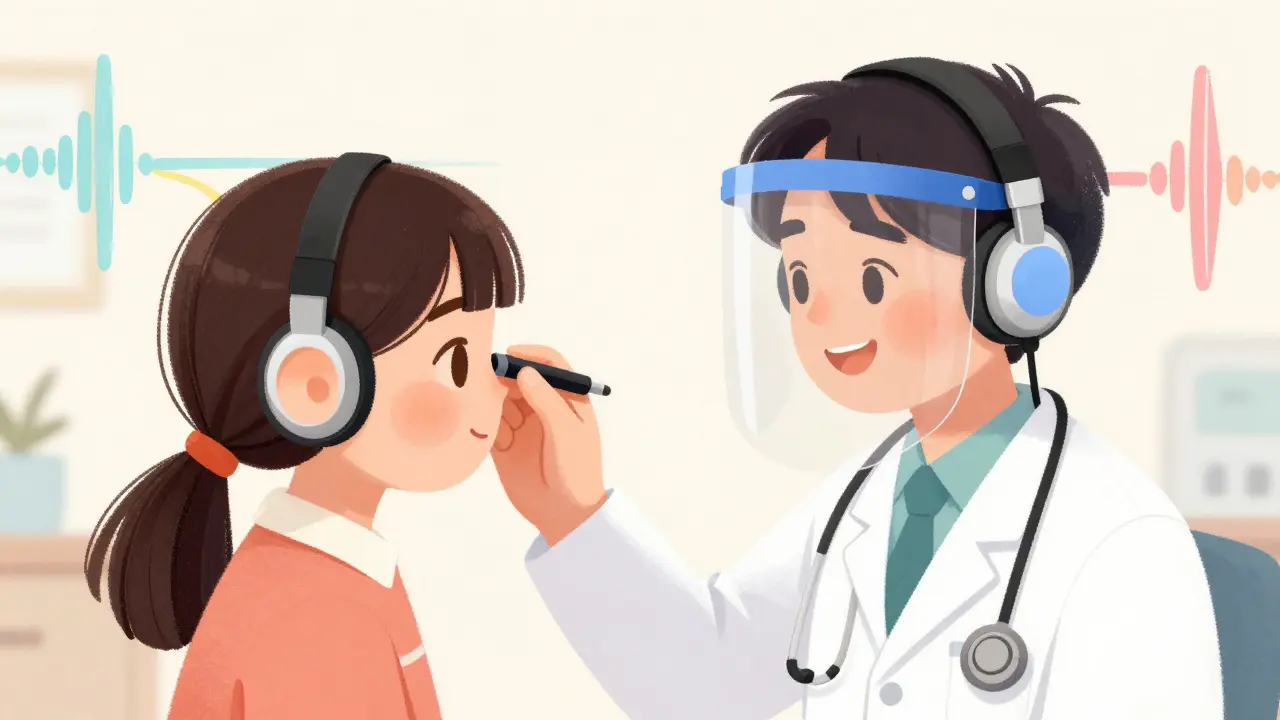
- Baseline Testing: Before starting high-risk medication, you need an audiogram including extended high frequencies (up to 8,000-12,000 Hz).
- Frequent Checks: For cisplatin, monitoring is needed after every cycle. For continuous infusion antibiotics, checks happen every 1-2 weeks.
- Otoacoustic Emissions (OAE): This test measures the actual response of hair cells. It can detect damage 25% earlier than standard behavioral tests.
- Vestibular Testing: Checking your balance function to catch non-auditory toxicity.
Coordination between oncologists, infectious disease specialists, and audiologists is vital. Integrated care models show a 32% reduction in severe hearing loss, proving that communication saves ears.
Protection and Mitigation Strategies
In 2022, the FDA approved sodium thiosulfate (Pedmark) specifically to reduce hearing loss in children receiving cisplatin. This was a game-changer, showing a 48% relative risk reduction. While availability varies by region, asking your provider about otoprotective strategies is essential.
There are also genetic factors at play. Some individuals carry mitochondrial DNA mutations like m.1555A>G. If you have this mutation, your risk of aminoglycoside-induced deafness increases by 100-fold. While routine screening isn't always cost-effective for everyone, knowing your family history is crucial. If a close relative went deaf while on antibiotics, your doctor needs to know immediately.
Other protective agents currently under investigation include N-acetylcysteine (NAC). Since oxidative stress drives the damage, antioxidants may help mop up the toxic free radicals before they hurt your hair cells. By mid-2026, several clinical trials were showing promise in using these supplements alongside chemotherapy to preserve hearing.
Navigating Treatment Decisions
Sometimes doctors will switch from a high-risk drug to a lower-risk alternative. For example, Oxaliplatin causes far less hearing damage than Cisplatin (less than 5% risk vs 30-60%). Similarly, Vancomycin carries a much lower ototoxic risk (~5-10%) compared to Gentamicin. However, switching isn't always possible. Sometimes the stronger drug is the only one that kills the bacteria or tumor effectively. This is where shared decision-making comes in-you and your medical team weigh the risk of deafness against the benefit of treating a life-threatening illness.
If you are told you need a course of aminoglycosides or platinum drugs, do not panic, but prepare. Demand the baseline hearing test. Ask if high-frequency testing is included. Ensure you have a plan for reporting ringing or dizziness immediately. With vigilance, you can protect your hearing quality even during aggressive treatments.
Which common drugs are considered most ototoxic?
The highest risk group includes aminoglycoside antibiotics (like gentamicin and streptomycin) and platinum-based chemotherapy drugs (especially cisplatin). Loop diuretics and certain NSAIDs can also pose risks, though generally lower.
Can ototoxic hearing loss be reversed?
No, sensorineural hearing loss caused by ototoxic drugs is typically permanent because cochlear hair cells do not regenerate. Prevention and early detection via monitoring are the only ways to mitigate significant loss.
Does stopping the medication fix the hearing loss?
Stopping the medication stops further damage, but it does not repair cells already killed. However, stopping the offending agent early can prevent the progression from moderate to profound deafness.
How often should I get my hearing checked during treatment?
For high-risk drugs like cisplatin, testing should occur at least every week or after each cycle. Monitoring high frequencies above 4,000 Hz is critical since damage starts there.
Is there a way to protect my hearing while on these drugs?
Yes, drugs like sodium thiosulfate are approved to reduce cisplatin damage. Other methods include hydration therapy and potentially antioxidants like N-acetylcysteine, though this depends on your doctor's protocol.