30
Personal Health Records: Managing Medications Across Pharmacies
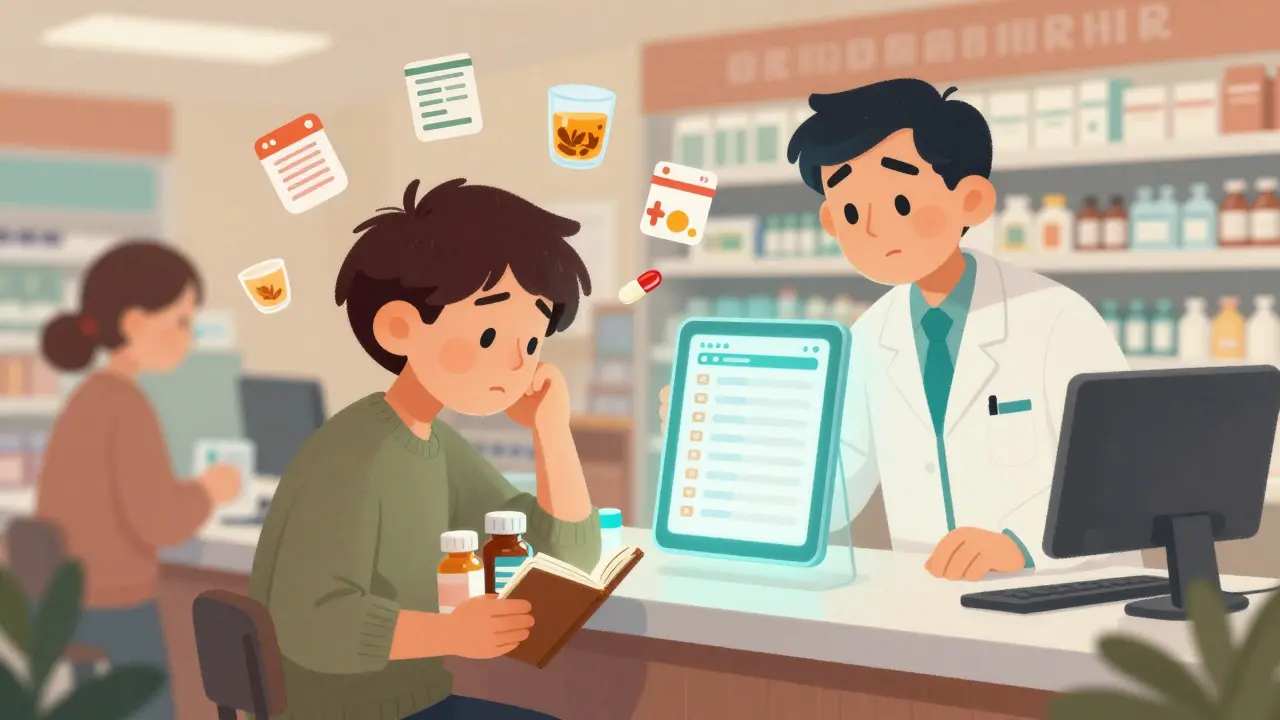
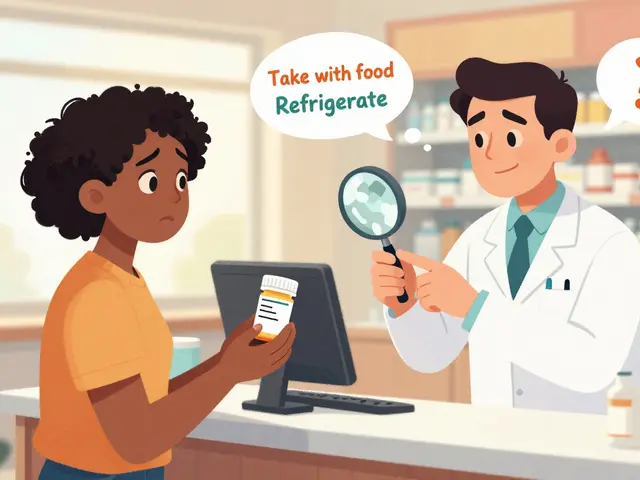
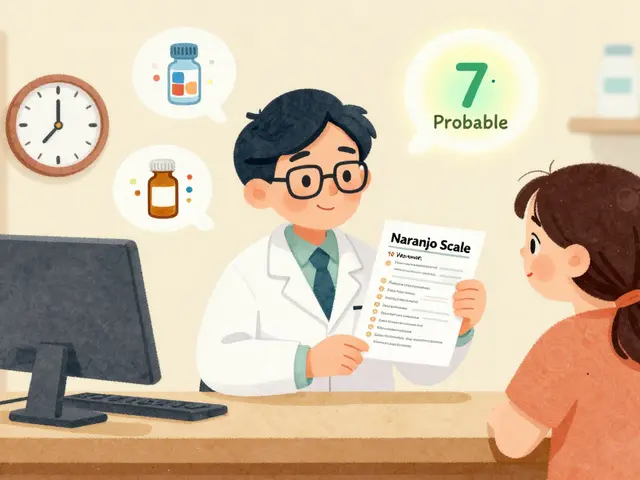
Imagine you’re at the pharmacy counter, tired and confused. You’ve got prescriptions from three different doctors, filled at three different pharmacies - one chain, one independent, one online. You take supplements, over-the-counter painkillers, and herbal teas your aunt swears by. The pharmacist asks, "What are you taking right now?" You pause. You’re not sure you remember everything correctly. That’s the moment a personal health record (PHR) could save you - from a dangerous interaction, a duplicate prescription, or even a hospital visit.
What Exactly Is a Personal Health Record?
A personal health record isn’t just a list you keep on your phone. It’s a secure, digital tool you control that pulls together every medication you’ve taken - prescriptions, OTC drugs, vitamins, supplements - from every pharmacy you’ve used. Unlike your doctor’s electronic record, which only shows what they’ve prescribed, a PHR gives you the full picture: the antibiotics from the clinic, the blood pressure pills from the corner pharmacy, the melatonin you bought online last month. In Australia, the My Health Record system has been running since 2016 and now covers 93% of the population. It automatically collects medication data from over 7,800 community pharmacies, hospitals, and specialists. In the U.S., systems like Apple Health Records and Surescripts do the same, syncing with pharmacies that use FHIR standards - a modern digital language that lets systems talk to each other. The goal? Stop the chaos. Studies show that more than half of all medication errors happen during transitions - when you move from hospital to home, or switch pharmacies. One 2022 study found these errors cost the U.S. healthcare system $528 per patient each year. A PHR cuts that risk by giving everyone - you, your pharmacist, your doctor - the same, accurate list.How Your Medications Get Into the Record
Your PHR doesn’t just appear out of nowhere. It pulls data from three main sources:- Pharmacy claims - when your insurance pays for a prescription, that data gets sent to the PHR system. This covers about 92% of filled prescriptions.
- Direct pharmacy feeds - if your pharmacy uses modern software like FRED, Medisoft, or Genie (common in Australia), it automatically sends every fill to your My Health Record, even cash payments.
- What you enter - you can add things like ibuprofen, fish oil, or herbal remedies yourself. This is where things get tricky.
Apple Health vs. Surescripts: Which One Works Better?
Not all PHRs are built the same. Apple Health Records, available on every iPhone, is easy to use. You tap a few buttons, and it pulls in prescriptions from your pharmacy. But it only captures about 68% of your full medication history because it depends on your pharmacy’s system sending data to Apple - and not all do. Surescripts, on the other hand, is the behind-the-scenes powerhouse. It connects over 90% of U.S. pharmacies and prescribers. Its Master Patient Index matches you across systems using 12 data points - name, birth date, address, even your phone number. It’s 99.2% accurate. But you can’t log into Surescripts directly. You only see its results through your doctor’s portal or My Health Record. In Australia, My Health Record wins because it’s mandatory for pharmacies to contribute. In the U.S., it’s patchwork. If your pharmacy uses RX30 or QS/1 - two of the most common dispensing systems - it might not talk to your PHR at all. That’s why 22% of rural U.S. pharmacies still struggle with integration.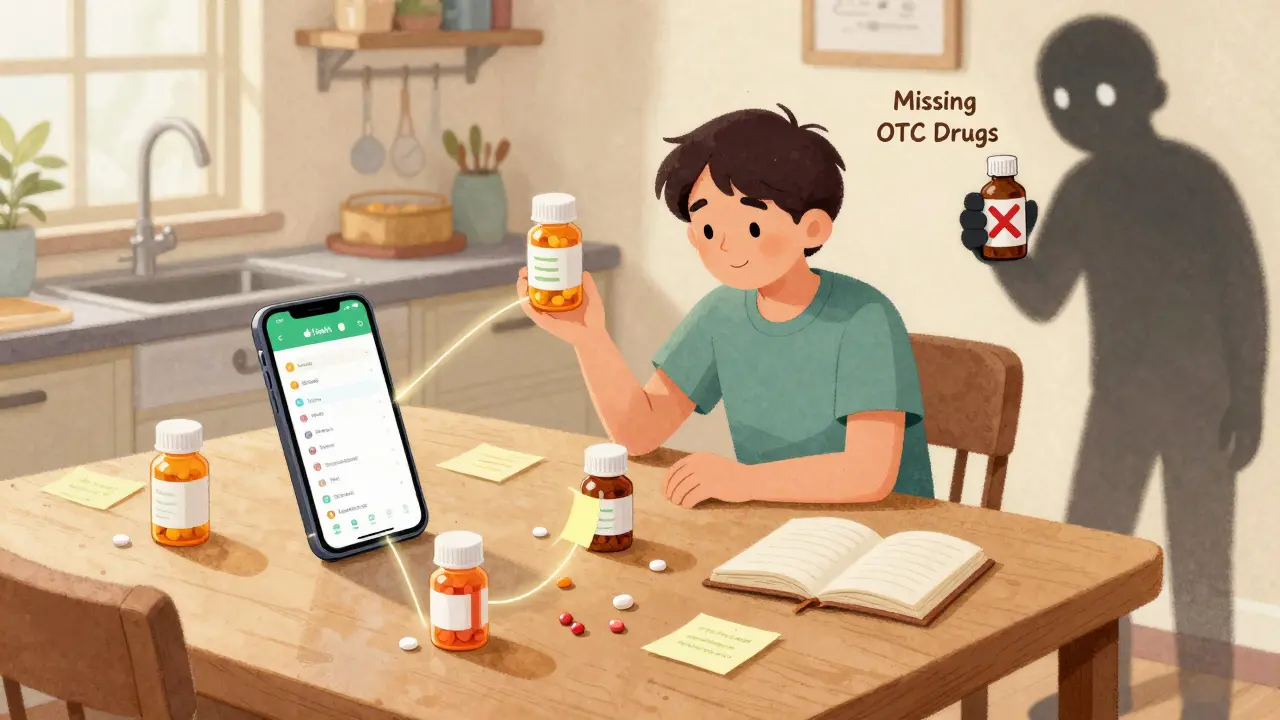
Why You Still Need to Check It Yourself
Even the best system can’t read your mind. If you stop going to a pharmacy for 13 months, some systems delete your history from that location. If you refill a prescription at a different pharmacy, the old one might still show up as active. And if you take something once a week - like a muscle relaxant - your PHR only shows you got it, not that you actually took it. That’s why the University of Florida’s "4-Step PHR Integration" framework works so well:- Train staff - pharmacists and nurses need to know how to pull up your PHR at check-in.
- Insert checks at key points - when you arrive, before your doctor sees you, and when you leave the clinic.
- Teach patients - give people simple guides on how to update their list, what to include, and how to fix mistakes.
- Audit monthly - compare your PHR to your actual pill bottles. Fix mismatches.
The Real Cost of Getting It Wrong
Let’s say you’re on warfarin - a blood thinner. You start taking a new herbal supplement your friend recommended. It’s not on your PHR because you didn’t enter it. Your doctor prescribes a new antibiotic. The system doesn’t flag the interaction. You start bleeding internally. That’s not a hypothetical. It’s happened. The Agency for Healthcare Research and Quality says 20% of serious drug reactions happen because of incomplete medication lists. For seniors on five or more medications - polypharmacy - the risk is even higher. A 2023 report from the National Academy of Medicine found that PHRs still miss 37% of total medication use. That’s a blind spot. And in a crisis, blind spots kill. But there’s good news: every dollar spent on improving PHR accuracy returns $4.37 in saved hospital costs. That’s why Medicare now rewards hospitals that use these tools - heart failure patients have 18% fewer readmissions when their meds are fully tracked.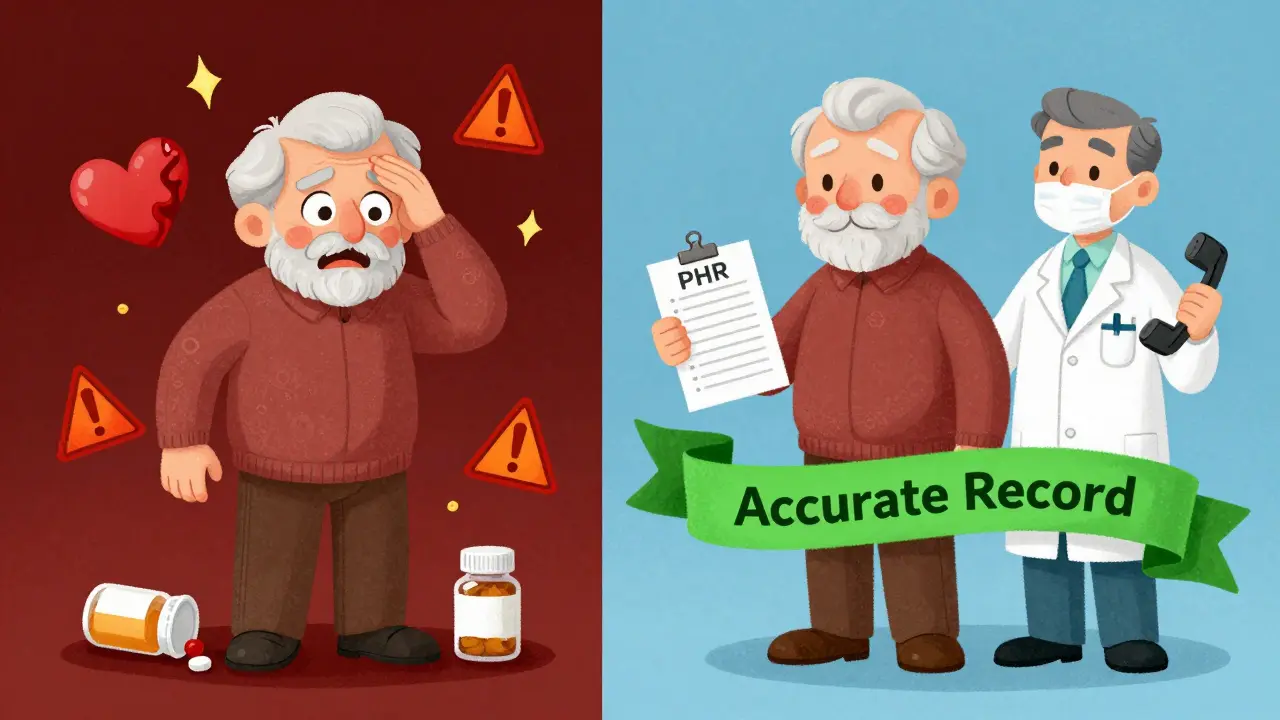
What You Can Do Right Now
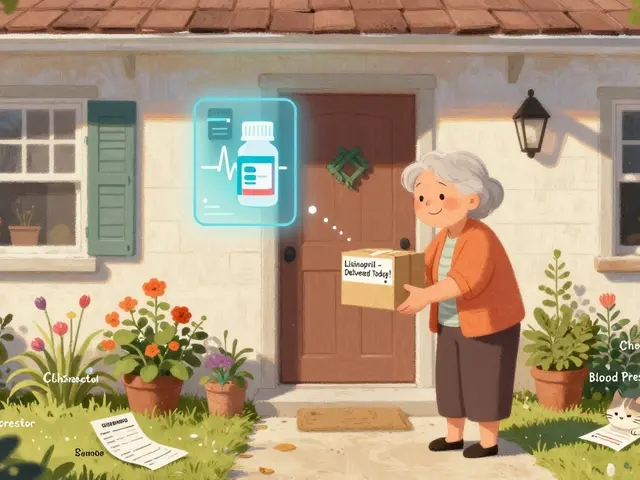
You don’t need to wait for your doctor to fix this. Start today:- Download your system - if you’re in Australia, go to myhealthrecord.gov.au. In the U.S., open Apple Health and turn on "Medications."
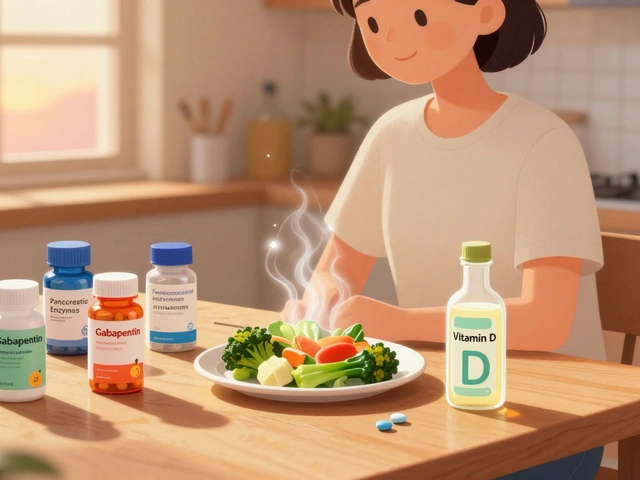
- Collect every bottle - lay out all your pills, supplements, and creams. Take a photo.
- Enter everything - not just prescriptions. Include CBD oil, vitamins, eye drops, and patches.
- Check the dates - if a med says "active" but you stopped it six months ago, delete it.
- Share it - send a copy to your pharmacist and your primary doctor. Ask them to review it during your next visit.
The Future: AI and Real-Time Updates
The next leap isn’t just better data - it’s smarter data. Google Health’s 2023 prototype used machine learning to predict medication errors with 92% accuracy by spotting patterns in PHR data. Imagine your phone alerting you: "You’ve filled your statin 4 times in 3 weeks. Did you mean to double up?" Surescripts is already testing Clinical Direct Messaging - a way for pharmacists to send updates directly to your doctor’s inbox. Kroger Health saw a 33% drop in phone tag after launching it. But the biggest hurdle isn’t tech - it’s trust. Only 37% of patients restrict access to certain providers because they’re afraid of how their data will be used. That’s why encryption matters. All certified PHRs use AES-256 encryption and follow NIST cybersecurity standards. Your data isn’t being sold. It’s locked behind your password. The truth? Managing medications across pharmacies isn’t just about convenience. It’s about survival. Every pill you forget to enter, every dose you misremember, every pharmacy that doesn’t talk to the system - it adds up. The tools exist. The data is there. You just have to own it.Can I add over-the-counter medicines to my personal health record?
Yes, and you should. Most PHR systems let you manually enter OTC drugs like ibuprofen, antacids, or sleep aids. But don’t just type the name - include the dose and frequency. For example, write "ibuprofen 200mg, 1 tablet twice daily as needed for pain." Many systems won’t accept vague entries like "vitamins" or "herbs." Be specific. Missing these can lead to dangerous interactions, especially with blood thinners or diabetes meds.
Why doesn’t my PHR show all my prescriptions?
There are three main reasons. First, not all pharmacies connect to PHR systems - especially smaller or cash-only ones. Second, some systems only keep records for 12-18 months, so older fills disappear. Third, if you filled a prescription at a pharmacy that uses outdated software (like older versions of RX30 or QS/1), the data might not transmit. Check your PHR monthly and add anything missing manually.
Is my personal health record secure?
Yes, if it’s certified. Systems like My Health Record and Apple Health Records use AES-256 encryption - the same standard banks use. They follow strict privacy rules like HIPAA in the U.S. and the Privacy Act in Australia. Only you control who sees your data. You can block specific providers or delete entries anytime. No one can access your record without your permission. There’s no evidence of data breaches in major PHR systems.
Do I need to update my PHR if I use an online pharmacy?
Absolutely. Online pharmacies vary widely in how they connect to PHR systems. Some, like those linked to big insurers or hospital networks, auto-update your record. Others, especially international or private sites, don’t share data at all. Always check your PHR after an online order. If it’s not there, enter it manually. Don’t assume it’s being tracked - it probably isn’t.
Can my pharmacist see my PHR without me knowing?
No. In Australia, pharmacists can only view your My Health Record if you’ve given them permission during your visit. In the U.S., they need your explicit consent under HIPAA. You’ll be asked to approve access each time - either by signing a form or clicking "Allow" on a screen. If a pharmacist says they can see your record without your permission, they’re mistaken. Always confirm who has access and revoke it if needed.
How often should I review my personal health record?
Review it every time you get a new prescription, change a dose, or stop a medication. At minimum, check it once a month. Set a reminder on your phone. Compare it to your pill bottles. Fix any mismatches. Even a 5% error rate in your list can lead to a dangerous interaction. Your PHR is only as good as the last time you updated it.


Laura Arnal
January 31, 2026 AT 23:22OMG YES. I just updated my Apple Health meds last week after my pharmacist caught a duplicate with my blood pressure pill and that weird herbal sleep blend I forgot I was taking. 🙌 I used to think PHRs were for old people, but now I’m the one nagging my mom to check hers. It’s wild how easy it is to mess up when you’re tired or stressed. Seriously, take 10 minutes. Your future self will cry happy tears.
Jasneet Minhas
February 1, 2026 AT 05:33Interesting. In India, we don’t have such systems - but we do have uncles who remember every pill you’ve ever taken since birth. My aunt still asks if I’m taking ‘that blue tablet from 2018’ like it’s a family heirloom. Maybe we don’t need tech - just nosy relatives. 😅
Eli In
February 1, 2026 AT 18:21As someone who’s lived in three countries and taken meds across continents, I can say this: the real hero isn’t the app or the system - it’s the handwritten list in your wallet. I keep mine in a little ziplock with my insurance card. It’s low-tech, but when you’re in a ER in Tokyo with no phone signal and your pharmacist is 8,000 miles away? That scrap of paper saves lives. 🌍❤️
Paul Adler
February 2, 2026 AT 03:22While the technical infrastructure described is impressive, it is imperative to recognize the systemic disparities in adoption. Rural pharmacies in the U.S. lack the capital to upgrade legacy systems, and this creates a two-tiered health data ecosystem. The equity implications are nontrivial. A digital solution cannot be considered complete if it excludes populations without access to modern pharmacy infrastructure.
rajaneesh s rajan
February 4, 2026 AT 01:44Let’s be real - we’re all just guessing what’s in our medicine cabinet. I once thought ‘vitamin D’ meant one pill. Turns out I was taking three different kinds, each with different dosages. My PHR showed ‘Vitamin D’ as active. I didn’t even know I had three bottles. 😅 So yeah, tech helps… but only if you’re not lazy. And let’s be honest - we’re all lazy. Just admit it.
Yanaton Whittaker
February 4, 2026 AT 19:59Why are we letting Big Pharma and Silicon Valley control our health data? This ‘PHR’ stuff is just a Trojan horse. Apple doesn’t care if you live or die - they want your data to sell ads. My Health Record? Government surveillance with a smiley face. I only trust my own handwritten log - on paper - locked in a safe. No clouds. No apps. No lies.
Kathleen Riley
February 4, 2026 AT 21:41It is axiomatic that the ontological integrity of the personal health record is contingent upon the epistemological fidelity of its inputs. The phenomenological experience of polypharmacy, as mediated through algorithmic interfaces, is inherently fragmented. One must therefore perform a hermeneutic reconstruction of one’s pharmacological self - not merely as a data point, but as a narrative entity. The failure to do so constitutes a profound ontological erasure.
Beth Cooper
February 5, 2026 AT 09:16Wait… so you’re telling me the government knows what supplements I take? And Apple? And my pharmacist? And they’re all connected? 😳 I just took melatonin for a week last year. That’s it. But now I’m paranoid they’re tracking my dreams. Next they’ll say I’m ‘at risk’ for insomnia because I slept 6.2 hours last Tuesday. This isn’t health tech - it’s a dystopian control grid. I’m deleting my account. And I’m telling my mom to do the same.
Donna Fleetwood
February 6, 2026 AT 17:03You guys, I started doing the 4-step thing last month - and holy cow, it’s a game changer. I sit with my pill organizer every Sunday, take pics, compare to Apple Health, and fix what’s wrong. My doctor actually noticed and said, ‘Wow, your med list is the cleanest I’ve seen.’ I felt like a superhero. 🦸♀️ You don’t need to be perfect - just consistent. One minute a day. You got this!
Diana Dougan
February 6, 2026 AT 20:39PHR? More like PHR (Pretty Hopeless Reality). I entered my meds 3 times and it still thinks I’m on ‘Asprin’ and ‘Vitamn D’. And my pharmacy? Still says I’m on a drug I stopped in 2021. I asked them to fix it. They said ‘We’ll get to it.’ LOL. So now I just carry a sticky note. It’s more reliable than the app. 🤷♀️
Bobbi Van Riet
February 8, 2026 AT 04:07I’ve been using a PHR for three years now, and honestly? The biggest thing that helped me wasn’t the tech - it was learning how to talk to my pharmacist. I used to just hand over my script and leave. Now I say, ‘Hey, can you check my PHR real quick?’ and they’ll pull it up right there. Sometimes they catch things I missed - like when I accidentally wrote ‘10mg’ instead of ‘1mg’ for my thyroid med. They didn’t judge. They just said, ‘Good catch, let’s fix this.’ That human moment? That’s what makes the system work. The app just helps you remember to ask.