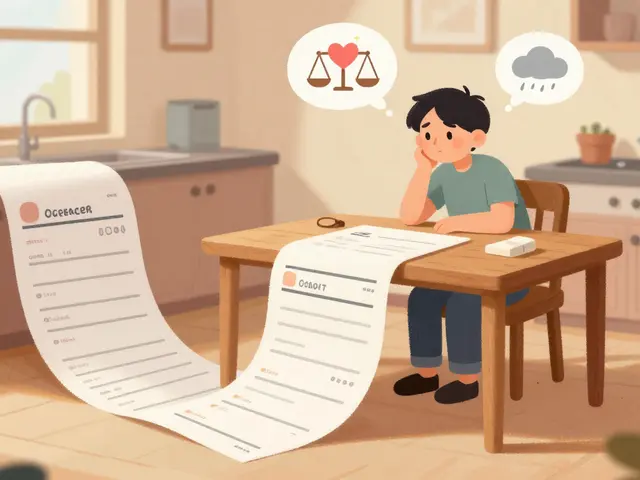
Drug Substitution Rules: What You Need to Know About Swapping Medications
When your pharmacist hands you a different pill than what your doctor prescribed, it’s not a mistake—it’s usually drug substitution, the practice of replacing a prescribed medication with a therapeutically equivalent alternative, often a generic version. Also known as medication substitution, it’s a common part of how pharmacies control costs and keep prescriptions affordable. But not all substitutions are safe, and not all doctors expect them. Knowing the rules can save you from side effects, failed treatments, or worse.
Drug substitution rules vary by country, state, and even pharmacy policy. In the U.S., most states allow pharmacists to swap a brand-name drug for its generic equivalent unless the doctor writes "Do Not Substitute" on the prescription. But what if you’re switching between two generics? Or between drugs that look similar but act differently? That’s where things get tricky. For example, switching from one antipsychotic to another—even if both are labeled "atypical"—can change how your body responds, as seen in treatments for schizophrenia. Similarly, swapping blood thinners like warfarin for rivaroxaban isn’t just a name change; it’s a whole new dosing and monitoring system. These aren’t minor adjustments. They’re clinical decisions that need to be understood, not assumed.
Some substitutions are straightforward. Generic sildenafil works just like Viagra for erectile dysfunction. But others? Not so much. The interaction between Danshen, a herbal supplement often used for heart health and prescription blood thinners shows how even natural products can break substitution safety. Or consider how dairy, a common food item that interferes with medication absorption can block bisphosphonates from working if taken at the wrong time. These aren’t just side effects—they’re substitution risks hidden in plain sight. Even something as simple as switching from Pepcid to a PPI for heartburn can change how your body handles other drugs. Pharmacists are trained to catch these issues, but they can’t read your mind. You need to speak up.
When you get a new bottle, always check the name, dose, and shape. Ask: "Is this the same as what I was taking?" If you’re on multiple meds, like for heart failure or HIV, a substitution can throw off your whole plan. That’s why medication reconciliation after hospital discharge matters so much. One wrong swap can undo weeks of progress. And if you’re traveling across time zones or managing chronic conditions like SVT or COPD, even a small change in your drug’s timing or strength can cause real problems.
Drug substitution isn’t bad. In fact, it’s often smart and necessary to keep healthcare affordable. But it’s not automatic. It’s a process that requires your attention, your questions, and your voice. The posts below walk you through real cases where substitutions went right—and where they went wrong. You’ll find guides on how to talk to your pharmacist, what to watch for when switching meds, and how to avoid dangerous interactions that no one warned you about. Whether you’re managing arthritis, heart disease, or just trying to save money on prescriptions, knowing the rules around drug substitution isn’t optional. It’s your safety net.
27
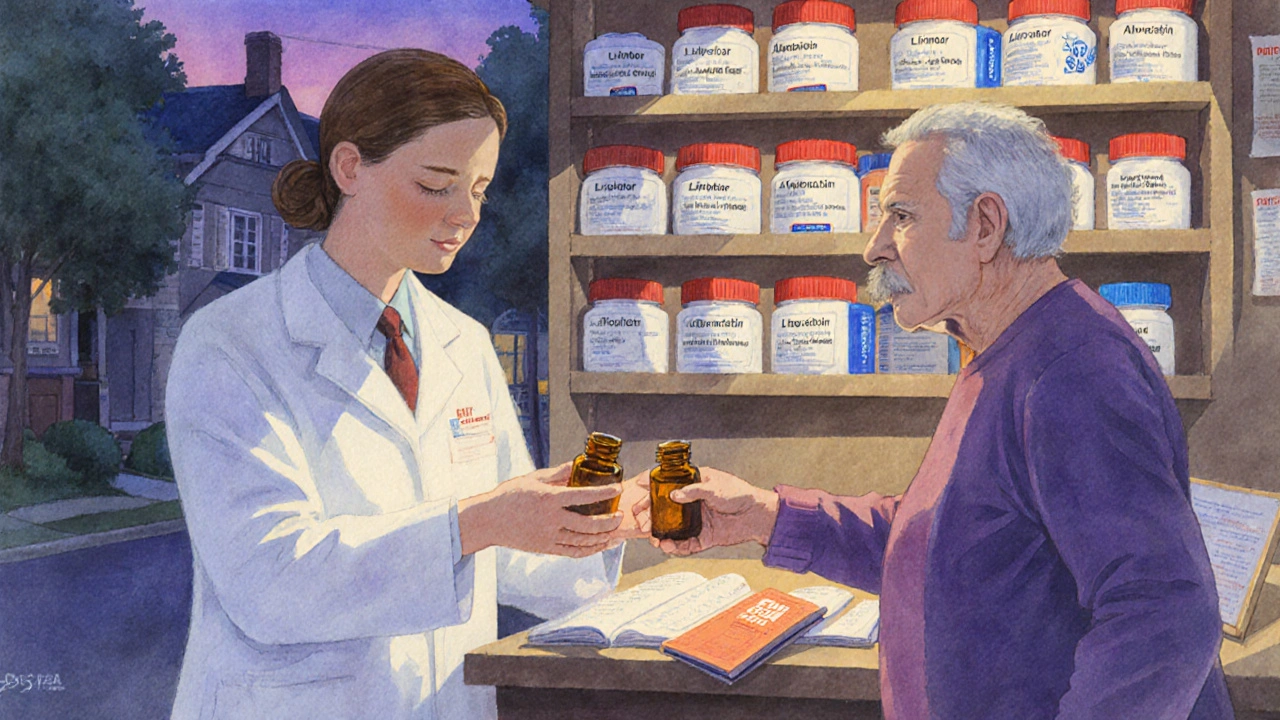
Presumed Consent in Pharmacy: When Pharmacists Can Switch Your Medication Without Asking
Presumed consent laws let pharmacists swap brand-name drugs for generics without asking - saving billions but raising safety questions. Here’s how it works, where it’s risky, and what you can do.