23
Active Ingredients in OTC Drugs Explained for Shoppers
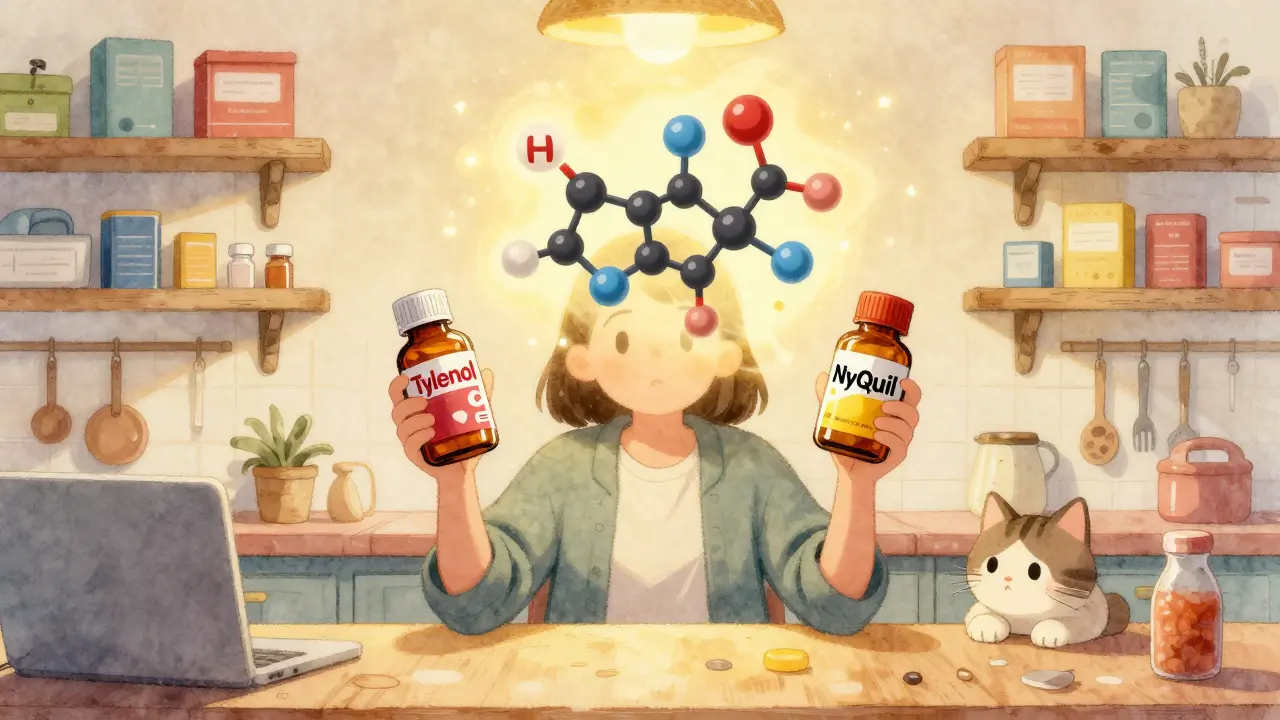
Every time you pick up a bottle of pain reliever, cold medicine, or allergy pill from the shelf, you’re making a decision based on what you see on the box. But what you’re actually choosing isn’t the brand name-it’s the active ingredient inside. And if you don’t know what that is, you could be putting your health at risk.
What Exactly Is an Active Ingredient?
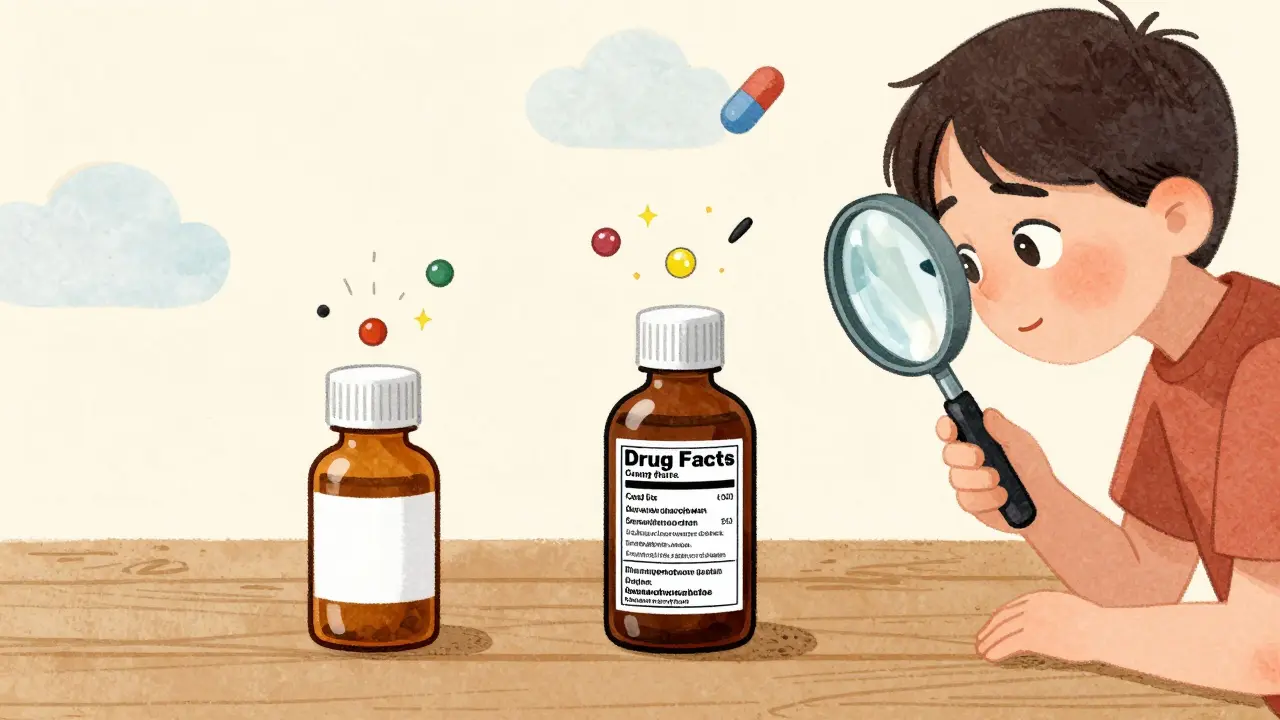
The active ingredient is the part of the medicine that actually does the work. It’s the chemical that reduces fever, blocks histamine, or kills bacteria. Everything else on the label-colors, flavors, fillers-is there to make the pill easier to swallow or look nice. But only the active ingredient changes how your body feels. In the U.S., every over-the-counter (OTC) medicine must list its active ingredients clearly on the Drug Facts label. This label isn’t optional. It’s required by law. And it’s designed to help you avoid mistakes. For example, if you see “acetaminophen 325 mg” on a label, that means each tablet or teaspoon contains exactly 325 milligrams of the pain-relieving chemical. That number matters. Too little won’t help. Too much can damage your liver.Why the Drug Facts Label Matters
Before 1999, OTC labels were messy. Some listed ingredients in tiny print. Others used confusing terms like “contains 10% active.” Consumers couldn’t tell what they were taking-or if they were doubling up. The FDA stepped in and created the standard Drug Facts label. Now, every OTC product has the same seven sections, in the same order:- Active Ingredient(s) - what the medicine actually does
- Purpose - what kind of medicine it is (pain reliever, antihistamine, etc.)
- Uses - what symptoms it treats
- Warnings - when not to use it
- Directions - how much and how often to take it
- Other Information - storage tips, expiration
- Inactive Ingredients - what’s in it besides the active part
Common Active Ingredients You’ll See
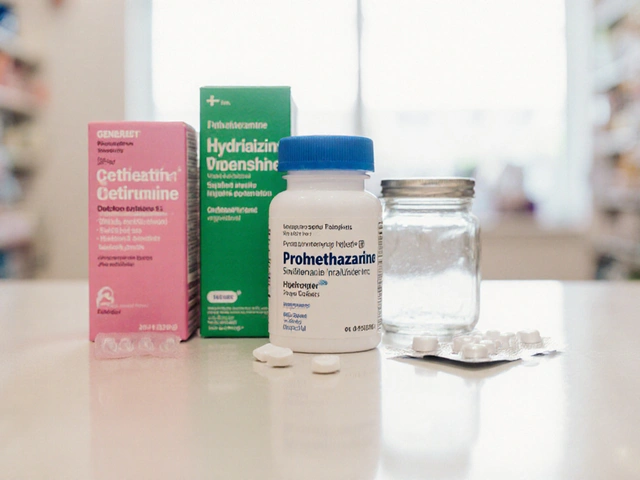
You don’t need to memorize every chemical name. But you should know the big ones-and what they do.- Acetaminophen - used for pain and fever. Found in Tylenol, TheraFlu, Excedrin, and dozens of cold medicines.
- Ibuprofen - reduces pain, fever, and swelling. Found in Advil, Motrin, and store brands.
- Naproxen sodium - longer-lasting pain relief. Found in Aleve.
- Diphenhydramine - an antihistamine. Causes drowsiness. Found in Benadryl, NyQuil, and many sleep aids.
- Cetirizine - non-drowsy antihistamine. Found in Zyrtec.
- Dextromethorphan - cough suppressant. Found in Robitussin, Delsym, and many cold formulas.
- Phenylephrine - nasal decongestant. Found in Sudafed PE, Mucinex D.
- Loperamide - anti-diarrheal. Found in Imodium.
The Hidden Danger: Double Dosing
The biggest mistake shoppers make? Taking more than one medicine that has the same active ingredient. In 2022, the FDA reported that 70% of OTC medication errors happened because people didn’t check active ingredients. One woman took Tylenol for her headache, then took NyQuil for her cold-without realizing both had acetaminophen. She ended up in the ER with liver failure. That’s not rare. Reddit threads, pharmacy forums, and hospital reports are full of similar stories. One user wrote: “I took two Tylenol and a cold tablet thinking they were different. I didn’t know the cold tablet had 650 mg of acetaminophen. I woke up vomiting, my skin was yellow. I thought I was dying.” The maximum safe daily dose of acetaminophen for adults is 4,000 mg. But many people hit that limit without realizing it. A single dose of Tylenol Extra Strength is 500 mg. A dose of TheraFlu Nighttime is 650 mg. Add them together? You’re over 1,000 mg in one sitting.How to Read the Label Like a Pro
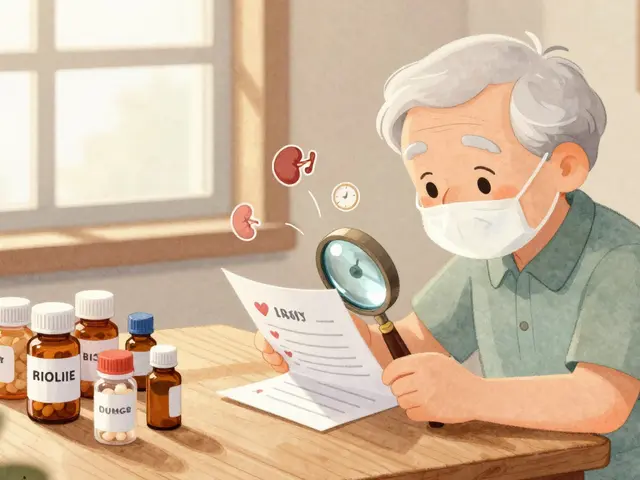
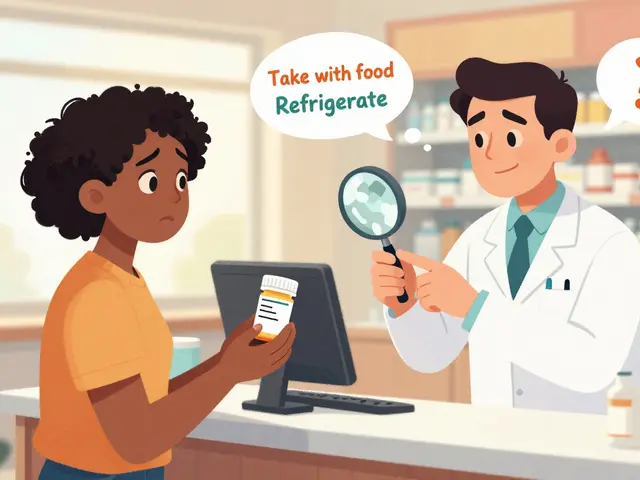
You don’t need a pharmacy degree. Just follow these four steps every time you buy an OTC medicine:- Find the Active Ingredient section - it’s always at the top of the Drug Facts label.
- Write it down - even if it’s just on your phone. Write “acetaminophen 500 mg” or “ibuprofen 200 mg.”
- Check what else you’re taking - look at your other meds, even vitamins. Some supplements have hidden pain relievers.
- Don’t mix unless you’re sure - if two products have the same active ingredient, pick one. Don’t take both.
Brand Names Are Traps
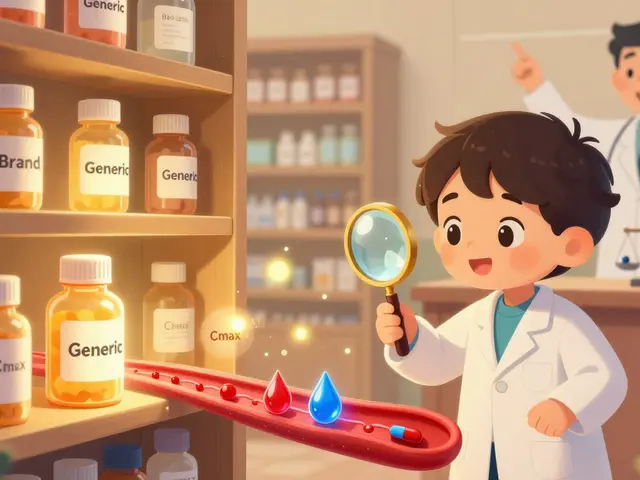
You’ve seen the ads: “Tylenol for fast relief!” “Advil for strong pain!” But those are just brand names. The real power is in the ingredient. - Tylenol = acetaminophen - Advil = ibuprofen - Aleve = naproxen sodium - Benadryl = diphenhydramine - Zyrtec = cetirizine Store brands? They’re often identical. Walmart’s “Equaline” acetaminophen has the same 500 mg per tablet as Tylenol. The only difference? Price. The American Pharmacists Association found that 42% of people think different brand names mean different ingredients. That’s not true. It’s the same chemical, same effect, same risk.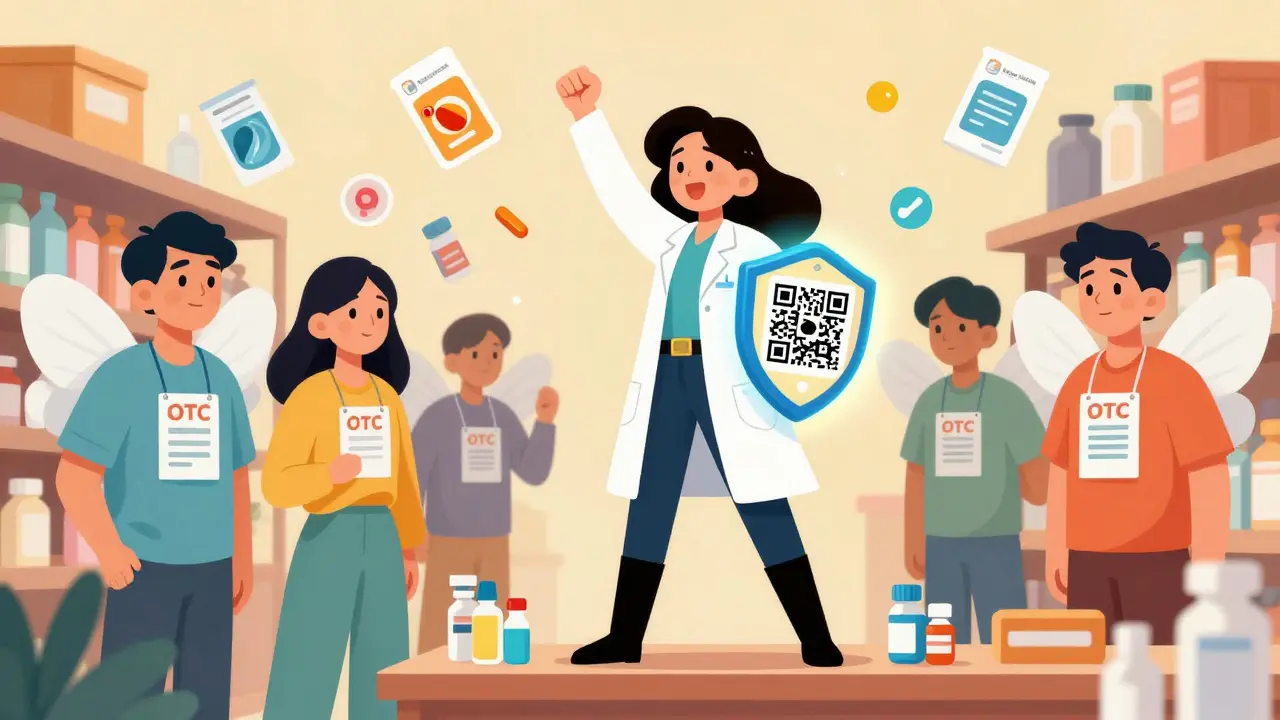
What About Kids’ Medicines?
Parents face a special challenge. Children’s versions of the same medicine often have different active ingredients than adult versions. Children’s Motrin = ibuprofen Children’s Zyrtec = cetirizine Children’s Tylenol = acetaminophen But here’s the trap: some kids’ cold medicines contain multiple active ingredients. A single teaspoon of Children’s Cold + Cough might have acetaminophen, dextromethorphan, and phenylephrine. If you’re also giving your child a separate pain reliever, you’re overdosing. Nationwide Children’s Hospital recommends parents always check the active ingredient list-even on “children’s” products. And never use adult medicine for kids unless a doctor says so.What’s New in 2025?
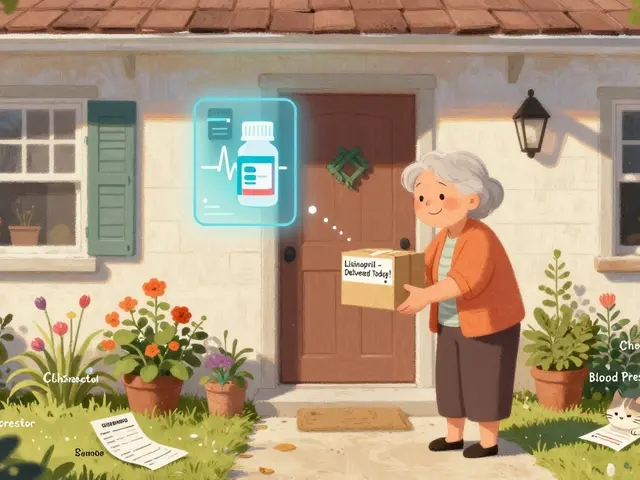
The rules haven’t changed much since 1999-but the way we access the info has. In 2023, the FDA began pushing for QR codes on OTC labels. Scan the code, and you’ll get a digital version of the Drug Facts label with more details: allergens, interactions, even video guides. A pilot program showed that people who scanned QR codes understood active ingredients 47% better-especially those with low health literacy. By 2026, all new OTC products in the U.S. will need to include these codes. That means your phone could become your medicine guide. Meanwhile, the Consumer Healthcare Products Association launched “Know Your Active Ingredients,” a national campaign that’s already helped reduce acetaminophen-related ER visits by 19% in participating pharmacies.What to Do Next
You don’t have to become a pharmacist. But you do need to be smarter about what’s in your medicine cabinet. - Keep a list of active ingredients you take regularly. Update it every time you buy something new. - Never assume “natural” or “herbal” means safe. Some herbal products contain hidden active ingredients that interact with prescription drugs. - If you’re on blood pressure meds, heart meds, or antidepressants, talk to your pharmacist before taking any OTC cold or pain medicine. Many contain ingredients that can interfere. - Use the FDA’s free “Medicines in My Home” guide. It’s online. It’s printable. It’s updated every year. The bottom line? Your medicine cabinet shouldn’t be a guessing game. The active ingredient is the only thing that matters. Learn it. Write it. Check it. And don’t let a brand name fool you.
Gray Dedoiko
December 25, 2025 AT 07:38Been there. Took NyQuil and Tylenol once thinking they were different. Woke up feeling like my insides were melting. Learned the hard way. Now I just write down the active ingredient before I buy anything. Life’s easier that way.
Paula Villete
December 25, 2025 AT 14:11So you’re telling me I’ve been paying extra for a label for 15 years? 🤦♀️
Walmart’s acetaminophen is literally the same chemical as Tylenol. The only difference is the marketing budget. I buy the generic now. Save $12 a bottle. My liver thanks me. My wallet too.
Aurora Daisy
December 25, 2025 AT 21:22Of course the FDA made a standardized label. Because Americans can’t read. Or think. Or remember their own names. But hey, at least now we can all fail together with the same precision.
Georgia Brach
December 26, 2025 AT 15:38Let’s not romanticize the Drug Facts label. It’s a compliance checkbox, not a public health revolution. People still overdose because they don’t read it. Or they read it and ignore it. The real problem isn’t labeling-it’s human behavior. And that’s not fixable by a government mandate.
Charles Barry
December 27, 2025 AT 00:50QR codes? Seriously? The FDA is now pushing you to scan your medicine like it’s a TikTok ad? Next they’ll make you sign a consent form before taking aspirin. This isn’t safety-it’s surveillance. They’re tracking what you take. Who’s behind this? Big Pharma? The CDC? The Illuminati? I’m not scanning anything.
Katie Taylor
December 27, 2025 AT 17:45THIS. IS. IMPORTANT. Stop being lazy. Stop trusting ads. Stop thinking ‘natural’ means safe. I’ve seen friends end up in the hospital because they thought ‘herbal’ meant ‘no side effects.’ It doesn’t. It just means the side effects aren’t listed. Read the label. Write it down. Your life isn’t a game.
Pankaj Chaudhary IPS
December 27, 2025 AT 23:34As a public servant who has witnessed the consequences of misinformation in healthcare, I commend this article for its clarity and civic responsibility. In India, where polypharmacy is rampant and over-the-counter access is unregulated, such education is not just helpful-it is lifesaving. The principle of active ingredient awareness transcends borders. We must institutionalize this in school curricula and community health drives. Thank you for this vital public service.
Joe Jeter
December 29, 2025 AT 09:50Wait-you’re telling me that if I take Advil and a cold medicine with ibuprofen, I’m overdosing? But what if I’m in pain and the cold medicine isn’t working? Shouldn’t I be able to double up? Isn’t that what medicine is for-fixing things? Maybe the real problem is that we’re not allowed to be in charge of our own bodies anymore.
Ademola Madehin
December 29, 2025 AT 13:05Bro I took 3 cold meds in one day and thought I was fine… then my eyes turned yellow and I screamed in the bathroom like a horror movie. My aunt said ‘you’re dead’ and I believed her. Now I just Google ‘what’s in this’ before I swallow anything. Don’t be me.
Rosemary O'Shea
December 31, 2025 AT 09:48How quaint. A 1999 regulation is still the gold standard? In Europe, we’ve had standardized, multilingual, QR-linked pharmacovigilance dashboards since 2018. The U.S. still thinks printing in bold is innovation. It’s no wonder your healthcare system is a punchline.
Sidra Khan
January 1, 2026 AT 08:55Ugh. I read this whole thing. I’m so tired. 🙄
Can we just have one app that tells us if something has the same thing as something else? Like Shazam but for pills? I don’t wanna write stuff down. I just wanna feel better. And also, I’m pretty sure ‘inactive ingredients’ are just sugar and lies.