15
Generational Differences: How Age Shapes Attitudes Toward Generic Medications
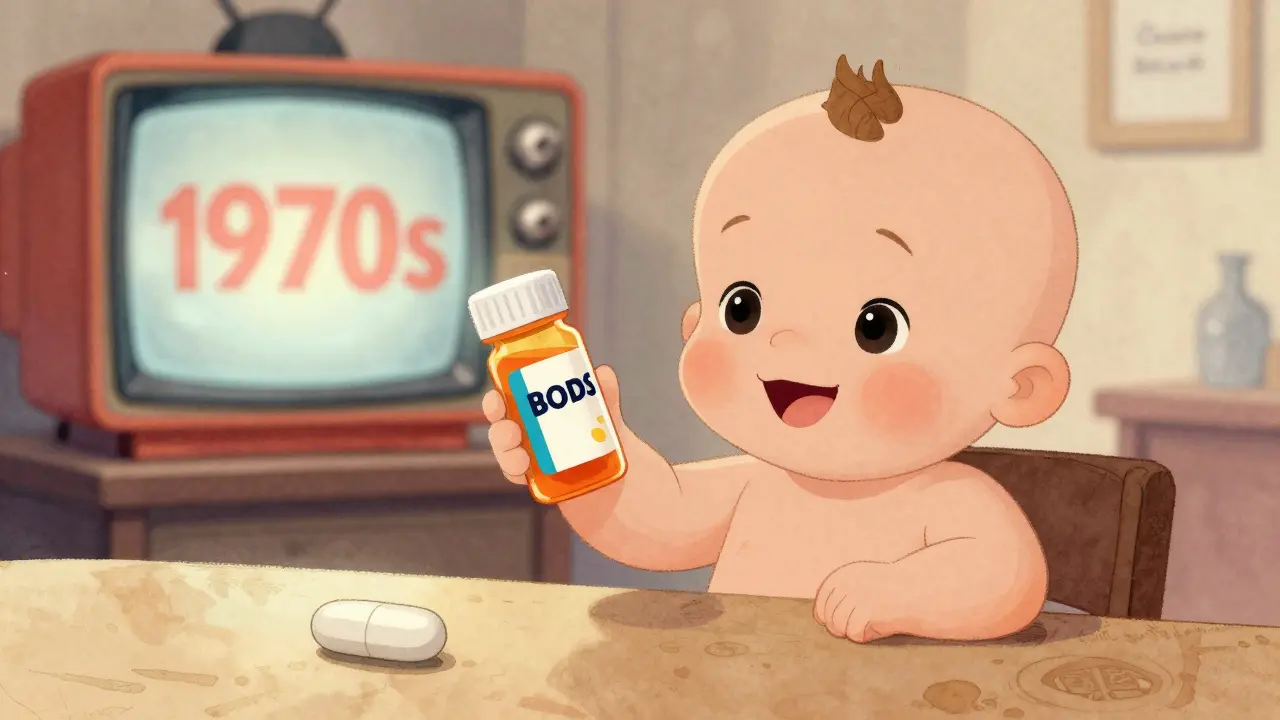
Why does your mom refuse to switch from brand-name aspirin to the cheaper generic version, while your teenager grabs the store-brand ibuprofen without a second thought? It’s not just about price. It’s about trust, memory, and how we’ve been taught to think about medicine over decades. The science is clear: generic drugs work just as well as brand-name ones. They contain the same active ingredients, meet the same safety standards, and are tested to deliver identical results. But perception doesn’t care about science. It cares about experience. And that’s where generations split apart.
Boomers: Brand Loyalty Built on Trust and Advertising
If you’re a Baby Boomer (born 1946-1964), you grew up watching TV commercials for pills with catchy jingles and smiling doctors. You saw brand-name drugs as symbols of quality-something you paid for because it was worth it. Back then, generics weren’t widely available, and when they were, they often looked different or came in plain packaging. That reinforced the idea: if it doesn’t look like the real thing, it can’t be the real thing.
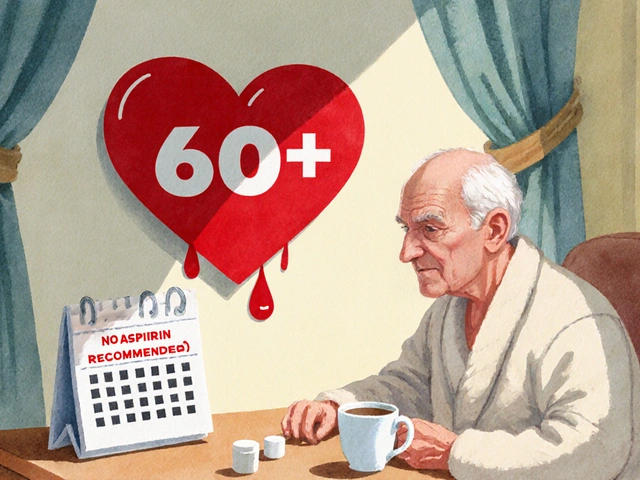
Studies show that older adults are more likely to believe generics are less effective-even when they know they’re chemically identical. Why? Because their first experiences with medication were shaped by decades of aggressive marketing from big pharma. They remember when a prescription was a ritual: the doctor’s handwriting, the white bottle with the colorful label, the pharmacist’s reassuring nod. Generic pills? They’re just… different. And in health, different feels risky.
One 2015 survey found that 35.6% of people in general believed generics were less effective. Among those over 60, that number was even higher. It’s not ignorance-it’s conditioning. Their brains have spent 50+ years associating certain logos, colors, and names with safety. Switching feels like cutting corners.
Gen X: The Skeptical Middle Ground
Generation X (born 1965-1980) is caught between two worlds. They remember brand-name drugs dominating the market, but they also lived through the rise of cost-cutting healthcare policies and the first wave of generic approvals. Many of them have switched to generics out of necessity-rising co-pays, job changes, insurance shifts. But they still hesitate.
Unlike Boomers, Gen Xers are more likely to check the label, compare prices, and ask their pharmacist questions. But they’re also the generation most likely to say, “I don’t trust the quality.” Why? Because they’ve seen the gaps in the system. They remember when generic drug shortages happened. They read about recalls. They’ve heard stories from friends who had side effects after switching.
Even though research shows generics are bioequivalent, Gen Xers don’t trust the data as much as they trust personal experience. And that’s understandable. They’ve been told to be skeptical-by advertisers, by news headlines, by doctors who still prescribe brands out of habit. Their attitude isn’t outright rejection. It’s cautious观望-waiting to see if the generic really works before fully committing.
Millennials: Cost-Driven, But Not Blind
Millennials (born 1981-1996) don’t have the same emotional attachment to brand names. They grew up with online shopping, price comparisons, and subscription services. If a product does the same job for half the price, why pay more? That logic applies to medicine too.
Studies show Millennials are far more likely to choose generics-especially when they’re covered by insurance or available at discount pharmacies. But here’s the twist: they’re not naive. They’ll look up the manufacturer. They’ll check if the generic is made by a reputable company like Teva or Mylan. They’ll read reviews on pharmacy websites. They care about transparency, not just price.
What they lack is the long-term personal history with brand drugs. They didn’t grow up with the same advertising saturation. Their trust isn’t built on nostalgia-it’s built on evidence. And they’re more likely to trust peer reviews, YouTube explainers, or health blogs than a TV commercial.
Still, some Millennials hesitate when switching from a brand they’ve used for years. If they’ve been on a medication for anxiety or blood pressure, the fear of “something changing” can be real-even if the science says it won’t. That’s where communication matters. A simple note from a pharmacist saying, “This is the same medicine, just cheaper,” can make all the difference.
Gen Z: The No-Brainer Generation
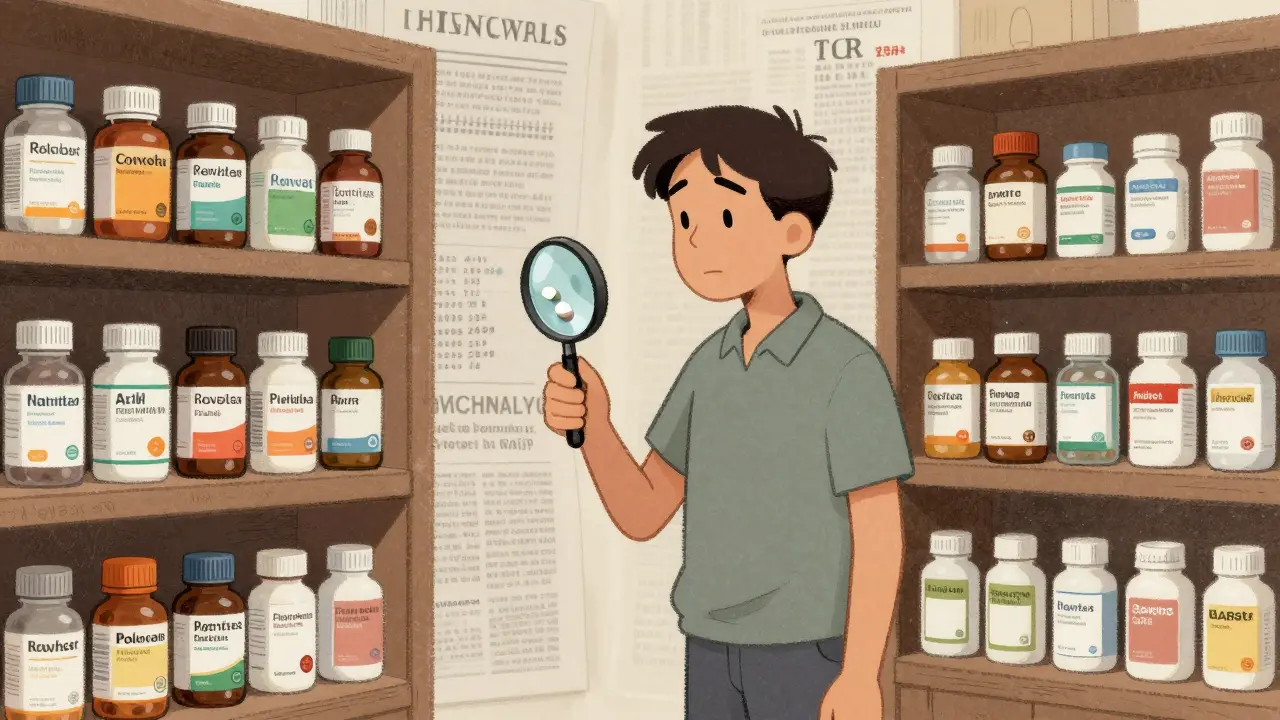
Gen Z (born 1997-2012) sees generics as the default. Why? Because they’ve never known a world where generics weren’t everywhere. They’ve seen pharmacy apps show side-by-side pricing. They’ve watched TikTok videos explaining how the FDA approves generics. They’ve used discount cards at Walmart and CVS that make generics cheaper than a coffee.
For them, brand loyalty doesn’t apply to pills. It applies to phones, sneakers, or streaming services-not medicine. They’re the most likely to say, “If it’s FDA-approved and costs less, I’m taking it.”
But they’re not blind to marketing. They notice when a generic is made by a company with a bad reputation. They’ll avoid generics from unknown manufacturers if they’ve heard stories about quality issues. Their trust isn’t emotional-it’s algorithmic. They look for certifications, manufacturing locations, and FDA approval codes. They’ll Google the pill’s imprint code to confirm it’s legit.
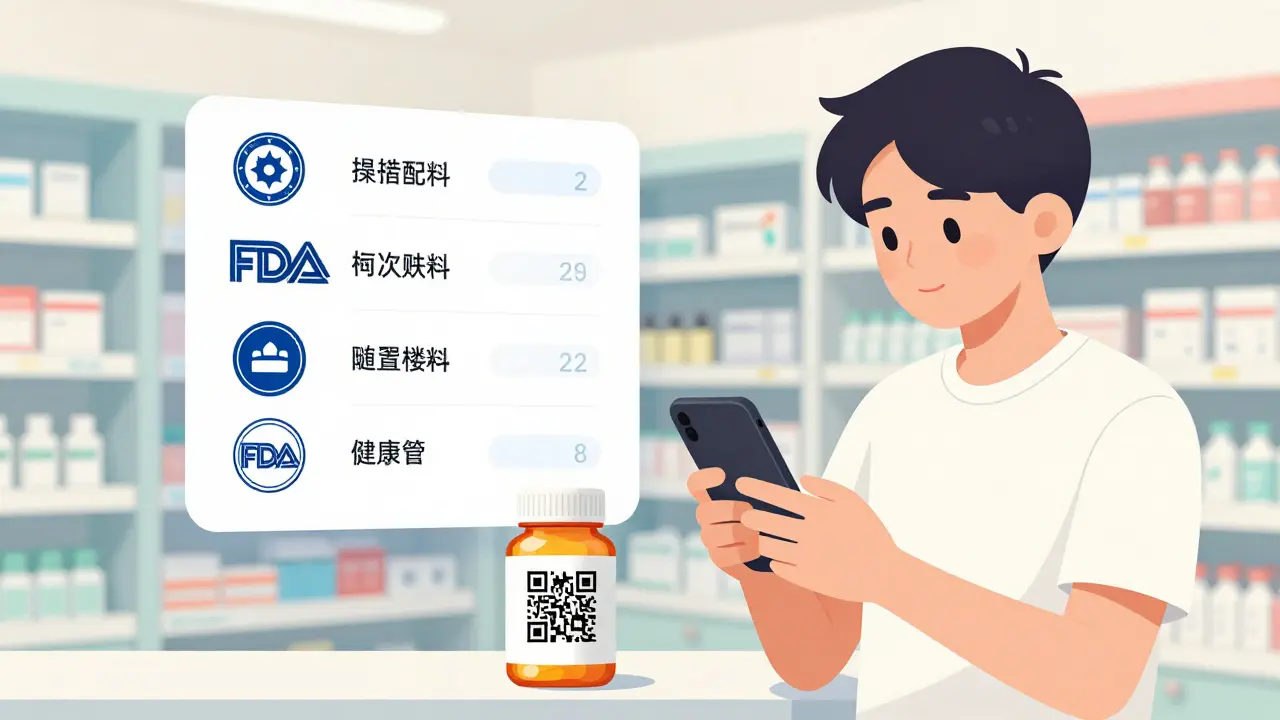
What Gen Z understands better than any other generation is that generic medications aren’t “cheap” versions. They’re standardized, regulated, and tested. They don’t need a jingle to convince them. They need a QR code and a link to the FDA database.
Why the Gap Exists: It’s Not About Intelligence
It’s tempting to think older people are just less informed. But that’s not true. It’s about how knowledge is formed. Boomers have high subjective knowledge-they’ve been taking medicine for decades. But their objective knowledge-what’s actually changed in drug regulation since the 1980s-is outdated. They don’t know that generics now must pass the same rigorous tests as brands.
Gen Z, on the other hand, has low subjective knowledge-they haven’t taken many pills yet-but high objective knowledge. They’ve looked up the facts. They’ve seen the data. They trust systems more than stories.
And then there’s framing. If you tell a Boomer, “This is a generic version of your brand,” they hear: “This is a copy.” If you tell a Millennial, “This is the same active ingredient, 80% cheaper,” they hear: “Smart choice.”
Healthcare providers still say “brand-name” when they mean “original.” Pharmacists still hand out the branded version unless asked otherwise. These small habits reinforce old beliefs.
What Works: How to Bridge the Divide
One-size-fits-all messaging doesn’t work. You can’t talk to a 70-year-old the same way you talk to a 22-year-old.
- For Boomers: Use trusted voices-doctors, pharmacists, family members. Say, “This is the exact same medicine your cardiologist prescribed, just without the fancy packaging.” Show them the FDA approval stamp.
- For Gen X: Offer transparency. Show them the manufacturer, the batch number, the testing reports. Let them compare side-by-side. Acknowledge their concerns instead of dismissing them.
- For Millennials: Make it easy. Apps that auto-switch to generics, clear price tags, digital receipts that explain the difference. They’ll trust a well-designed interface more than a pamphlet.
- For Gen Z: Give them control. QR codes on pill bottles that link to FDA data. Social media explainers. Gamified learning-like “Spot the Generic” quizzes.
The goal isn’t to change minds. It’s to reduce friction. Most people will switch if it’s simple, safe, and explained clearly. The real enemy isn’t the generic pill-it’s confusion.
The Bigger Picture: Generations, Costs, and Access
Over 90% of prescriptions in the U.S. are filled with generics-but they make up only 23% of total drug spending. That’s because brand-name drugs cost 10 to 20 times more. For people on fixed incomes, the choice isn’t optional. It’s survival.
But if older patients avoid generics out of fear, they skip doses, delay refills, or go without. That leads to worse health outcomes-and higher hospital costs down the line. The problem isn’t just about perception. It’s about access.
China’s government cut drug prices by 60% by mandating generic use in public hospitals. The U.S. could do the same. But without addressing generational attitudes, policy changes won’t stick. You can lower the price, but if people don’t trust the medicine, they won’t take it.
Generational differences aren’t a footnote in healthcare. They’re central to it. Understanding them isn’t about marketing. It’s about saving lives.
Are generic medications really as effective as brand-name drugs?
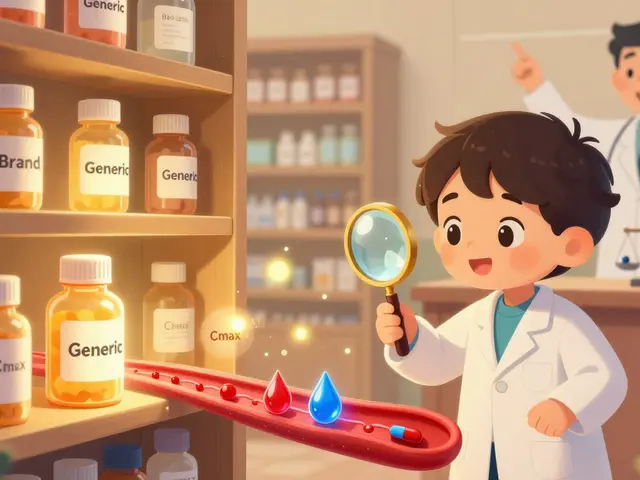
Yes. By law, generic medications must contain the same active ingredients, in the same strength, and work the same way as their brand-name counterparts. The FDA requires them to pass strict bioequivalence tests-meaning they deliver the same clinical results in the body. The only differences are in inactive ingredients (like fillers or color), packaging, and price.
Why do some people think generics are less safe?
It’s mostly due to marketing and familiarity. Brand-name drugs have decades of advertising, recognizable packaging, and emotional associations. Generics often come in plain packaging with no brand recognition. People mistake unfamiliarity for risk. Studies show that even when patients know generics are equivalent, they still report feeling better on the brand-often because of the placebo effect tied to branding.
Do pharmacists prefer prescribing generics?
Most pharmacists support generics because they see the financial benefits firsthand. Pharmacists are often the ones who handle the switch, explain the change to patients, and monitor for side effects. Studies show pharmacists are more likely than physicians to have positive attitudes toward generics, simply because they interact with patients more frequently and see how cost savings improve adherence.
Can switching to a generic cause side effects?
Rarely. The active ingredient is identical. But some people may react to inactive ingredients-like dyes or fillers-that differ between brands and generics. These reactions are uncommon and usually mild (like a slight stomach upset). If you notice new side effects after switching, talk to your doctor or pharmacist. It’s not the drug failing-it’s your body adjusting to a different formulation.
Why don’t doctors always prescribe generics?
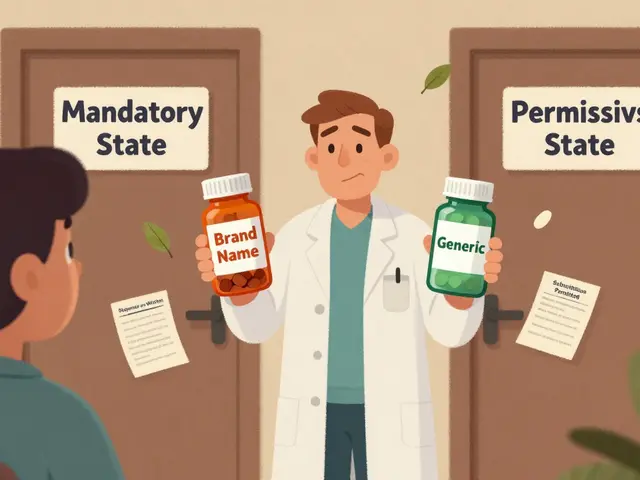
Some doctors prescribe brand names out of habit, lack of awareness, or because they were trained on specific brands. Others write “dispense as written” (DAW) on prescriptions, which legally prevents pharmacists from substituting generics unless the patient agrees. It’s not always about distrust-it’s about tradition, time constraints, or unclear communication between provider and pharmacy.
How can I check if my generic drug is approved?
Look up the drug’s National Drug Code (NDC) on the FDA’s website. Every approved generic has a unique code. You can also check the pill’s imprint code (the letters/numbers on the tablet) using online tools like Drugs.com or Medscape. If it matches the brand’s active ingredient and dosage, it’s FDA-approved.
What to Do Next
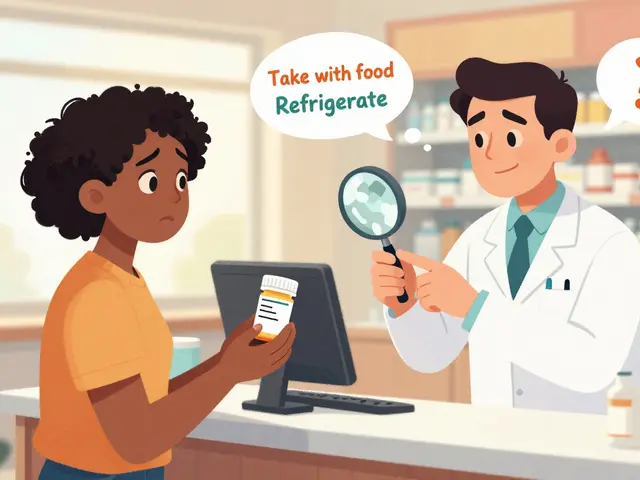
If you’re a patient: Ask your pharmacist to explain the difference between your brand and generic. Don’t assume they’re the same-ask for proof. Look up the manufacturer. Check the FDA database. You have the right to know.
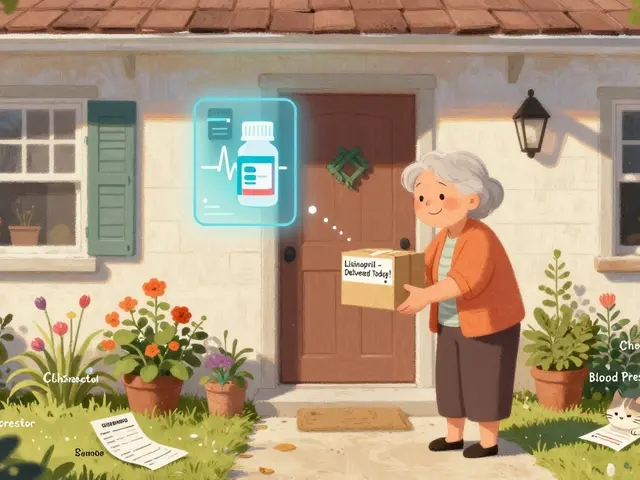
If you’re a caregiver for an older adult: Don’t force the switch. Talk about it. Show them the FDA stamp. Bring in a trusted doctor to confirm it’s safe. Small steps build trust.
If you’re a healthcare provider: Stop saying “brand-name.” Say “original.” Avoid phrases like “the real thing.” Use clear, factual language. Offer to check the generic’s approval status with the patient. Your words matter more than you think.
The future of affordable healthcare doesn’t depend on new drugs. It depends on changing how we think about the ones we already have. Generations may see medicine differently-but they all want the same thing: to feel safe, seen, and supported.


Benjamin Glover
December 16, 2025 AT 00:18Generics are fine for minor ailments, but when your life depends on it, you don’t gamble with unbranded chemicals.
RONALD Randolph
December 16, 2025 AT 18:39Let me be perfectly clear: if the FDA approves it, it’s not ‘generic’-it’s identical. The only difference is the label. People who refuse generics are being manipulated by pharmaceutical marketing-plain and simple. And yes, I’ve checked the bioequivalence data. Repeatedly.
It’s not about trust-it’s about conditioning. You grew up seeing those colorful bottles on TV, and now your brain associates color with efficacy. That’s not science. That’s Pavlovian nonsense.
And don’t get me started on the ‘I had side effects’ anecdotes. Most of those are placebo-driven. The inactive ingredients are regulated, tested, and documented. If you’re reacting to a dye, fine-but that’s not the drug failing. It’s your body misfiring.
Meanwhile, in countries like India and Germany, generics are the default. People don’t die from them. They live longer because they can afford their meds.
Stop romanticizing brand names. They’re not ‘better.’ They’re just more expensive. And if you’re paying extra because you think it’s safer, you’re being scammed.
The real scandal? Doctors still default to brands. Pharmacists are told to ‘dispense as written.’ That’s not patient care-that’s institutional inertia.
I’ve switched my entire family to generics. My mom? She cried. She thought I was poisoning her. Now she’s on a $3/month blood pressure med that works just as well as the $120 brand. She doesn’t know the difference-and she doesn’t need to.
Stop treating patients like children. Give them the facts. Show them the NDC codes. Let them Google the pill imprint. That’s empowerment, not coercion.
And if you still won’t switch? Fine. But don’t lecture others for doing what’s rational. Your fear isn’t wisdom. It’s legacy advertising.
Raj Kumar
December 18, 2025 AT 15:27As someone from India where generics are the norm, I can say this: the system works when you trust the regulator. In the US, the fear comes from lack of transparency. People don’t know how to check if a generic is legit. In India, we just scan the code and see the batch, maker, and approval date right on the box.
Also, in our villages, people take generics for decades. No one dies from it. But here? A grandma refuses because the pill is white instead of blue. That’s not about health-it’s about identity.
Maybe we need a ‘Generic Verified’ badge on bottles. Like organic labels. People get that. They need that.
Melissa Taylor
December 20, 2025 AT 05:15I switched my dad to generic statins last year. He was terrified. We sat down with his pharmacist, showed him the FDA page, and he cried. Not because he was scared-but because he realized he’d been paying $150 a month for something that cost $4. He said, ‘I didn’t know I was being robbed.’
That’s the real tragedy here. Not the pills. The silence.
John Brown
December 20, 2025 AT 09:58My 72-year-old aunt still refuses generics. But when I showed her the FDA’s ‘Orange Book’ and how to look up the NDC code on her phone, she actually did it. Then she said, ‘Huh. So this is the same thing.’
It’s not about being old. It’s about being left behind by tech. If we make it easy, they’ll switch. We just need to meet them where they are.
Christina Bischof
December 20, 2025 AT 10:06I used to think generics were sketchy. Then I got on a $10/month generic for my anxiety. Same effect. No side effects. I still check the pill imprint. But now I do it because I want to, not because I’m scared.
It’s weird how much we attach to things we don’t even understand.
Jocelyn Lachapelle
December 21, 2025 AT 22:31My Gen Z niece told me to ‘Google the pill’ when I complained about the generic version of my thyroid med. I did. It showed the exact same active ingredient, same dosage, same manufacturer code. I was shocked.
Turns out, I’ve been paying $200 for a pill that’s $8 because I never checked. And I’m a nurse.
So yeah. We’re all just… conditioned.
Also, I now use the same app she uses to track my meds. It’s kinda nice.
Who knew a 21-year-old could teach a 55-year-old about trust?
And no, I didn’t tell her I cried reading the FDA page. She already knows.
Mike Nordby
December 22, 2025 AT 05:31There is a fundamental flaw in the assumption that generational attitudes toward generics are primarily shaped by marketing. The real issue is regulatory fragmentation and inconsistent enforcement. The FDA’s bioequivalence standards are robust, but the oversight of manufacturing facilities-particularly overseas-is not. There have been documented cases of substandard generics entering the U.S. supply chain through third-party distributors. This is not anecdotal. It is systemic.
Moreover, the distinction between ‘inactive ingredients’ and ‘active’ is misleading. In patients with severe allergies or metabolic disorders, even trace amounts of fillers can trigger adverse reactions. The assumption that all generics are interchangeable is medically irresponsible without individualized patient assessment.
Finally, the notion that older adults are merely ‘conditioned’ ignores decades of clinical experience. Many physicians, including myself, have observed measurable differences in therapeutic outcomes when switching certain patients-especially those on narrow-therapeutic-index drugs like warfarin or levothyroxine.
Transparency is essential. But so is caution. Not every generic is equal. And not every patient should be treated as a statistic.
Sai Nguyen
December 22, 2025 AT 20:44Why do Americans think they’re special? In India, generics are the law. No one complains. No one cries. They just take it. Your fear is a luxury. Your brand loyalty is a scam. Your healthcare system is broken because you let corporations write the rules.
Stop acting like you’re smart because you Google. You’re just angry you got scammed.
Michelle M
December 24, 2025 AT 15:57I think the real question isn’t whether generics work-it’s why we’ve made medicine feel like a moral choice. Why does choosing a cheaper pill feel like betrayal? Why do we equate price with virtue? We don’t do that with coffee, or toothpaste, or jeans. But pills? They’re sacred. And that’s not science. That’s mythology.
Maybe we need to stop treating drugs like heirlooms and start treating them like tools.
And maybe-just maybe-the people who trust the system are the ones who’ve never had to choose between rent and refills.
Jake Sinatra
December 25, 2025 AT 16:01As a pharmacist, I see this daily. The biggest barrier isn’t misinformation-it’s silence. Most patients never ask. They just accept what’s handed to them. And if it’s the brand? They assume it’s better. If it’s generic? They assume it’s a compromise.
I’ve started printing a one-page handout for every generic switch: active ingredient, manufacturer, FDA approval status, and a QR code to the Orange Book. I’ve seen compliance jump from 42% to 89% in six months.
It’s not magic. It’s clarity.
Lisa Davies
December 27, 2025 AT 13:43My grandma still uses her brand-name aspirin. She says it’s the only one that ‘feels right.’ I asked her why. She said, ‘Because it’s the one your grandpa used when he was sick.’
It’s not about the pill. It’s about the memory.
I stopped trying to convince her. Now I just smile and say, ‘Okay, Gram. I’ll get your blue ones.’
Some things aren’t meant to be fixed.
Nupur Vimal
December 28, 2025 AT 01:10You people are so dramatic. Everyone knows generics are fine. The only reason this is even a topic is because the pharma companies paid you to write this article. Wake up. The system is rigged. Stop pretending this is about trust. It’s about profit.
Benjamin Glover
December 28, 2025 AT 12:35And yet, the FDA’s own data shows 95% of generic substitutions result in no measurable clinical difference. Your ‘anecdotal’ cases? They’re outliers. The rest of us are just tired of paying for marketing.