20
Insurance Coverage of Generic Combinations vs Individual Generics: What You Pay and Why
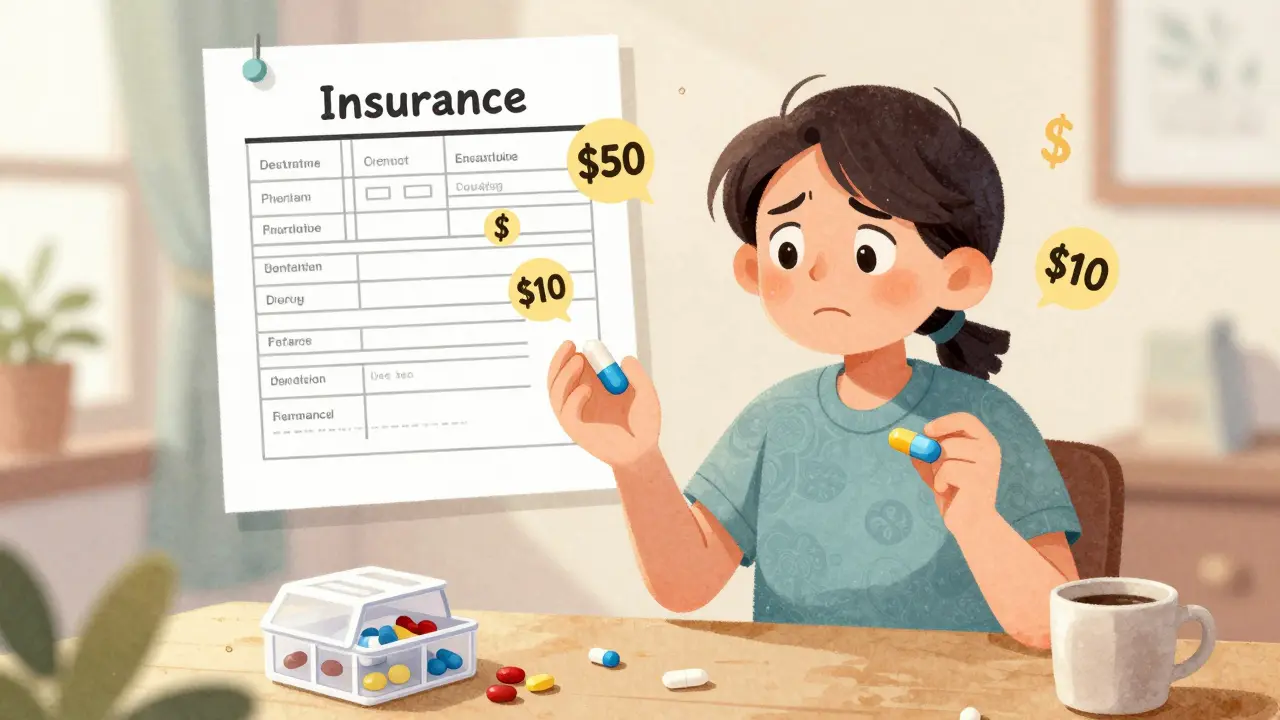
When you’re on multiple medications for conditions like high blood pressure, diabetes, or high cholesterol, you might notice something strange: your insurance covers two separate generic pills for $10 each, but the single pill that combines those same two drugs costs $50. It doesn’t make sense-same ingredients, same effect, but a totally different price. This isn’t a mistake. It’s how insurance formularies work, and understanding the difference between generic combination drugs and individual generics can save you hundreds a year.
What Exactly Is a Generic Combination Drug?
A generic combination drug is a single pill that contains two or more active ingredients, all of which are generic versions of brand-name drugs. For example, a common blood pressure combo pill might include amlodipine and lisinopril-two well-known generics-packed into one tablet. These aren’t new drugs. They’re just packaged together to make taking your meds simpler. The FDA says these combo generics are just as safe and effective as the brand-name versions. They have to meet the same strict standards for dosage, strength, and how your body absorbs them. So if your doctor prescribes a combo pill, you’re not getting a lesser version. You’re getting the same treatment, just in a more convenient form. But here’s the catch: insurance plans don’t always treat combo pills the same way they treat the individual generics. Sometimes, they’ll cover the combo pill at a high tier. Other times, they’ll only cover the two separate pills-and that’s where your out-of-pocket costs can get messy.How Insurance Plans Decide What to Cover
Most insurance plans, including Medicare Part D and private plans, use a tiered system to control costs. Think of it like a pricing ladder:- Tier 1: Preferred generics-usually $0 to $5 copay
- Tier 2: Non-preferred generics or preferred brand-name drugs-$10 to $20
- Tier 3: Non-preferred brand-name drugs-$30 to $60
- Tier 4: Specialty drugs-$100+
Why Your Combo Pill Costs More Than Two Separate Pills
Here’s the real headache: sometimes, your plan will cover the two individual generics at $10 each ($20 total), but the combo pill that contains those same two drugs is priced at $50. That’s not a typo. It happens because insurers treat the combo pill as a single product, not as the sum of its parts. Why? It’s not always about cost. Sometimes, the manufacturer of the combo pill negotiated a higher price with the pharmacy benefit manager (PBM)-the middlemen that control drug pricing for insurers. Even if the ingredients are generic, the combo pill might be the only version available from that maker. That’s called a single-source generic, and it’s a loophole insurers sometimes use to charge more. A 2023 report from Truveris found that while most generics are 80-85% cheaper than brand names, single-source generics can cost nearly as much as the original brand. That’s because there’s no competition to drive prices down. And if your plan doesn’t have a competing generic combo on its formulary, you’re stuck paying more-even if the science says it’s the same thing.
When Individual Generics Are the Better Deal
In some cases, taking two separate generics is actually smarter. If your plan has both the combo and the individual pills covered, but the combo is in a higher tier, you’ll pay less by splitting them. One Reddit user, PharmaPatient87, shared that their plan charged $10 for each generic blood pressure pill but $50 for the combo-so they asked their doctor to write two separate prescriptions and saved $30 a month. This isn’t rare. AARP’s 2023 review found that only 42% of Medicare Part D plans made their formulary details easy to understand. Most people don’t realize they can ask for separate prescriptions unless they dig into the fine print or get help from a pharmacist. But there’s a downside: taking two pills instead of one can hurt adherence. Studies show patients are more likely to forget or skip doses when they have to manage multiple pills. That’s why combo pills exist in the first place-to make life easier. If you’re good at remembering your meds, splitting them might save money. If you’re not, the combo might be worth the extra cost.How the Inflation Reduction Act Changed the Game
Starting January 1, 2024, the Inflation Reduction Act made big changes to Medicare Part D. For the first time, there’s no annual deductible for prescription drugs. And your out-of-pocket costs are capped at $2,000 per year. That’s huge. Before this, people hit the “donut hole”-a coverage gap where they paid 100% of drug costs until they spent a certain amount. Now, that gap is gone. But here’s the twist: the cap applies to the total you pay, no matter if you’re on combo pills or individual generics. So if you’re paying $50 for a combo pill, you hit that $2,000 cap faster than someone paying $20 for two generics. But once you hit the cap, you pay nothing for the rest of the year. That means the long-term savings from choosing the cheaper option are less urgent. But if you’re not on Medicare, or you’re still in the deductible phase, the difference still matters.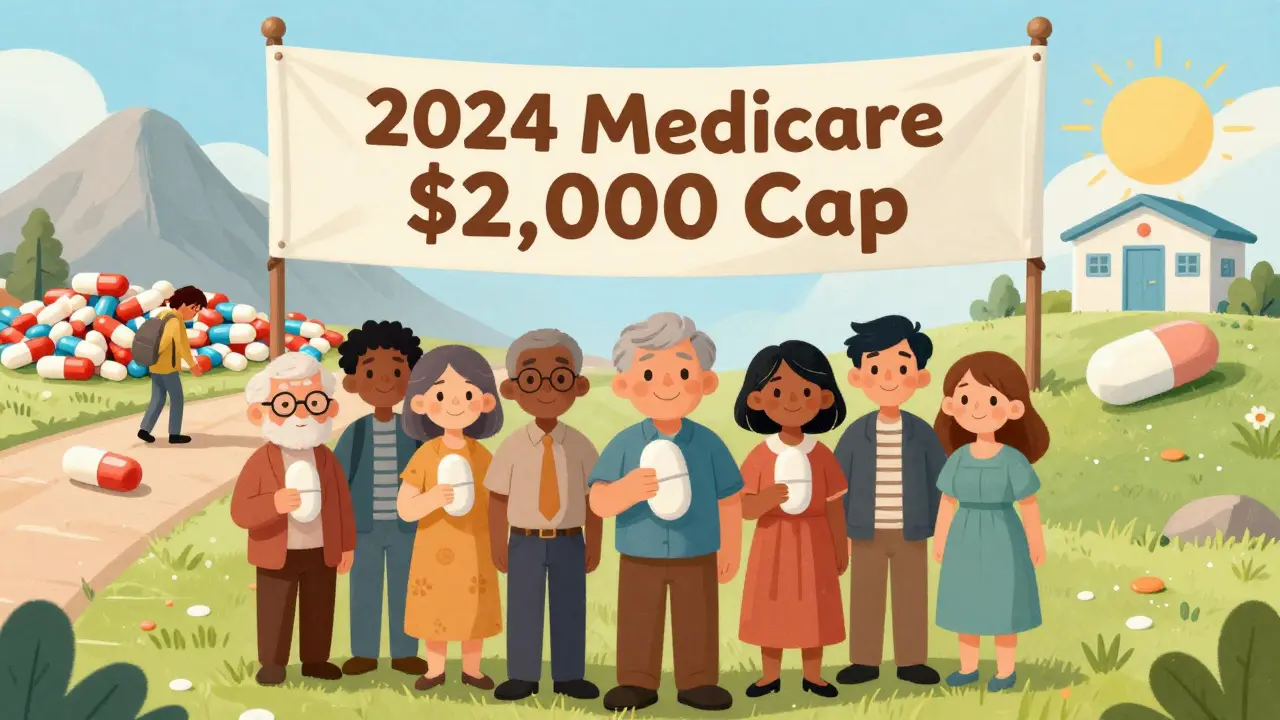
What You Can Do to Save Money
You don’t have to accept whatever your plan says. Here’s how to take control:- Check your plan’s formulary. Log into your insurer’s website or call them. Ask: “Is [drug name] combo covered? And are the individual generics covered separately?”
- Compare costs. Use the Medicare Plan Finder or GoodRx to see what pharmacies charge for each option. Sometimes, cash prices at Walmart or Costco are cheaper than your copay.
- Ask for a coverage determination. If your plan won’t cover the combo but you need it, your doctor can file a request. It takes 72 hours for a standard review, 24 hours if it’s urgent.
- Ask your pharmacist. Pharmacists know the formulary better than most. They can tell you if splitting the pills is cheaper or if a different combo is available.
- Look for manufacturer coupons. Some combo drug makers offer coupons-even for generics. The 2023 court ruling against copay accumulators means these coupons now count toward your out-of-pocket maximum, making them more valuable.
Why This Matters Beyond Your Wallet
This isn’t just about saving money. It’s about health. When people can’t afford their meds, they skip doses. A study from the Patient Advocate Foundation found that 1 in 4 Americans skip prescriptions because of cost. That leads to hospital visits, worsening conditions, and higher long-term healthcare costs. Combination drugs help reduce that risk by simplifying regimens. But if insurers make them too expensive, they defeat their own purpose. The system is designed to push generics-and it works. But it’s not always fair. The same ingredients, same science, same doctor’s order-but different prices based on how the pill is packaged.What’s Next for Generic Combinations?
The FDA’s Generic Drug User Fee Amendments (GDUFA III), running through 2027, is speeding up approval of new generic drugs-including complex combos. More competition means more options, lower prices, and better coverage. By 2028, the U.S. generic drug market is expected to hit $219 billion. That’s up from $135 billion in 2022. As more combo drugs go generic, insurers will have to make tougher choices: cover the combo at a low price, or keep pushing separate pills and risk patients falling out of treatment. Right now, the system is a patchwork. Some plans treat combos like heroes. Others treat them like traps. Your job isn’t to understand the rules. It’s to find the best deal for you-and that means asking questions, comparing options, and never assuming the default choice is the cheapest one.Why is my generic combination pill more expensive than two separate generics?
Even though the ingredients are the same, insurance plans treat combo pills as single products. If the combo is made by only one manufacturer (a single-source generic), it may lack price competition. Your plan might also place it in a higher tier, making your copay higher than if you bought the two individual generics separately. Always compare costs using your plan’s formulary or tools like GoodRx.
Can I ask my doctor to prescribe individual generics instead of a combo?
Yes, absolutely. Many doctors will switch you to separate pills if it saves you money-especially if you’re good at managing multiple medications. Just ask. Some insurance plans even prefer this approach because it’s cheaper for them. Make sure your doctor writes two separate prescriptions so the pharmacy can fill them correctly.
Does Medicare cover generic combination drugs better than private insurance?
Medicare Part D plans cover generics more consistently than private insurers-84% of plan-product combinations in 2019 were generic-only. But private plans often have more flexibility in formulary design. Some private plans may offer better deals on combos if they’ve negotiated directly with manufacturers. Always compare your specific plan’s formulary, not just the type of insurance you have.
Are generic combination drugs as safe as brand-name ones?
Yes. The FDA requires generic combination drugs to be bioequivalent to their brand-name counterparts-that means they work the same way in your body, at the same strength, and with the same safety profile. The only differences are in inactive ingredients (like fillers), which rarely affect how the drug works. For most people, generics are just as safe and effective.
What should I do if my insurance won’t cover my combo pill?
Ask your doctor to file a coverage determination request. This is a formal appeal that can get your plan to cover the drug. Expedited reviews are available if your health is at risk. You can also ask for a 30-day supply of the drug while the request is being reviewed. If that fails, check if the manufacturer offers a patient assistance program or coupon.
Will the $2,000 out-of-pocket cap in Medicare help me if I’m on expensive combo drugs?
Yes. Starting in 2024, Medicare caps your annual out-of-pocket drug costs at $2,000-no matter how much your meds cost. If you’re paying $50 for a combo pill, you’ll hit that cap faster than someone paying $10 for two separate pills. But once you hit it, you pay $0 for the rest of the year. So while the upfront cost matters, the cap protects you from long-term financial risk.






Jason Silva
December 21, 2025 AT 01:52Michael Ochieng
December 22, 2025 AT 06:14Jerry Peterson
December 22, 2025 AT 22:50Adrian Thompson
December 24, 2025 AT 21:18Southern NH Pagan Pride
December 26, 2025 AT 00:47Jackie Be
December 27, 2025 AT 10:59John Hay
December 28, 2025 AT 04:53Cameron Hoover
December 28, 2025 AT 18:31Stacey Smith
December 29, 2025 AT 07:44