26
SSRIs and Antidepressants During Pregnancy: Risk and Benefit

The Hard Choice Between Mom and Baby
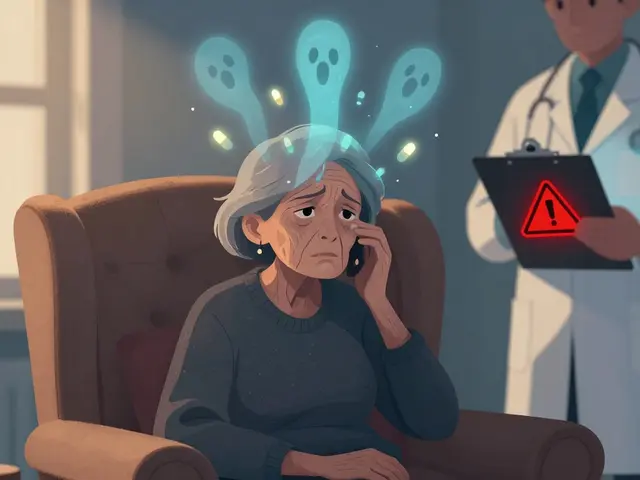
Imagine you're eight weeks pregnant and feeling overwhelmed by a darkness that won't lift. You've been on Selective Serotonin Reuptake Inhibitors (SSRIs), a class of medication primarily used to treat depression and anxiety disorders. Now you face a terrifying question: Is it safer to keep taking your pill or swallow it whole and risk a relapse?
This isn't just hypothetical anxiety; it's a real clinical dilemma affecting approximately 10-15% of pregnant women. When we talk about perinatal depression, we aren't talking about baby blues. We are talking about a condition that puts both the mother and the unborn child at risk. The goal here isn't to sell you a scary narrative, but to look at the actual numbers so you can walk into your doctor's office prepared.
Why Doctors Prescribe SSRIs During Pregnancy
Before we get to the risks of the drugs themselves, we have to understand the risks of the condition. Depression during pregnancy doesn't just make you sad. It alters your physiology. Research consistently shows that untreated depression increases the risk of preterm birth by more than double compared to non-depressed populations. It also raises the likelihood of low birth weight infants.
Mental health experts stress another point often overlooked: the impact on bonding. If a mother is struggling significantly post-partum because she stopped her meds, her ability to attach to the newborn drops dramatically. Studies using the Maternal Postpartum Attachment Scale show scores up to 30% lower in untreated cases. Then there's the grim statistic on maternal mortality. Suicide accounts for 20% of pregnancy-related deaths in the United States. The math gets very tight very quickly when you weigh a small statistical increase in potential side effects against the concrete risk of suicide.
Which Pills Are Safer? Understanding the Differences
Not all antidepressants carry the same weight regarding safety. The American College of Obstetricians and Gynecologists (ACOG) and the Society for Maternal-Fetal Medicine (SMFM) have outlined clear preferences based on decades of registry data.
Sertraline (Zoloft) remains the gold standard first-line option. Why? Because it has minimal placental transfer issues and the lowest link to adverse outcomes. Its pharmacokinetic profile means cord blood levels are typically around 60-70% of maternal levels, a manageable ratio.
Fluoxetine (Prozac) and Citalopram (Celexa) follow closely behind as safe alternatives. However, you will likely see doctors avoid Paroxetine (Paxil). Data from Nordic registries indicates a slight uptick in cardiac septal defects-specifically heart wall problems-if taken during the first trimester. We are talking about an absolute risk increase from 0.5% to roughly 0.7%. While statistically significant, it translates to a few babies per thousand, but enough to make clinicians steer away from Paxil in early pregnancy.
| Medication | First-Line Status | Known Risks | Placental Transfer |
|---|---|---|---|
| Sertraline (Zoloft) | Yes (Preferred) | Lowest PPHN risk | ~60-70% |
| Fluoxetine (Prozac) | Second-line | Long half-life | Varying |
| Citalopram (Celexa) | Recommended | QT prolongation caution | Moderate |
| Paroxetine (Paxil) | Avoid | Cardiac defects (first trimester) | N/A |
Breaking Down the Real Neonatal Risks
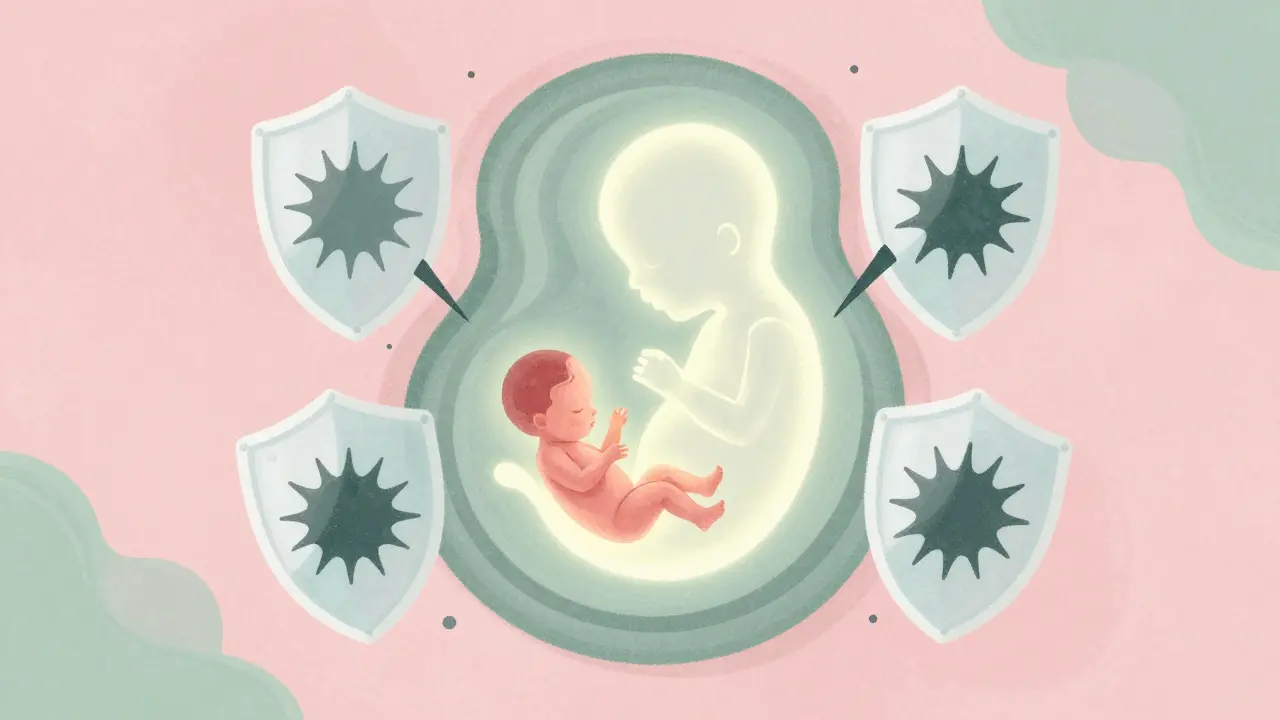
Every mom worries about "side effects" for the baby. Let's strip away the medical jargon and look at the hard numbers. The most cited concern is Persistent Pulmonary Hypertension of the Newborn (PPHN). This is a serious lung condition where the baby cannot adjust their circulation after birth.
In the general population without any drug exposure, PPHN happens in about 1 to 2 babies out of every 1,000 live births. With third-trimester SSRI use, that number nudges up to between 3 and 6 per 1,000. That sounds scary until you realize this is still less than 1% of all births. The odds are overwhelmingly in favor of a healthy baby even with medication exposure.
We also need to talk about "neonatal adaptation syndrome." About 30% of babies exposed to SSRIs near delivery might show temporary symptoms like jitteriness, poor feeding, or mild breathing issues. Crucially, these symptoms usually resolve within two weeks. Unlike withdrawal from hard drugs, this isn't a permanent neurological injury-it's the baby's system adjusting to suddenly not getting the medication anymore.
What About the Long Term? Development and Autism
This is where parents ask the "what about when they grow up?" question. Recent years have seen conflicting headlines regarding autism and ADHD. Large studies involving over 1.8 million births suggest the absolute risk of congenital malformations is nearly identical between users and non-users (2.8% versus 2.5%).
The controversy usually stems from "confounding by indication." Essentially, moms who take meds often have severe depression, which itself impacts fetal development. When researchers carefully control for depression severity, the direct link between the medication and autism weakens significantly. A 2021 Lancet study found no significant association after accounting for familial confounding factors. Meanwhile, Columbia University researchers argue there may be a subtle link to adolescent mood disorders later in life, suggesting a need for screening starting at age 12 rather than waiting until symptoms become acute.

The Cost of Stopping Your Meds
If you decide to stop taking your antidepressant, you shouldn't just quit cold turkey. Doing so spikes your risk of depressive relapse by more than four times. The JAMA Psychiatry trial noted a staggering 92% relapse rate in women who discontinued treatment during pregnancy versus 21% who continued.
Withdrawal is its own beast. Dizziness, nausea, and "brain zaps" affect nearly three-quarters of women who abruptly cut off SSRIs. If you and your doctor agree to taper off, do it slowly. A stepwise reduction over 4-6 weeks is the standard protocol. You must track your mood weekly using tools like the PHQ-9. If your score climbs too high, you know immediately that you need to switch back to a stable dose.
Practical Steps for Your Doctor Visit
Don't go in blind. Take notes. Ask specifically about sertraline dosages, starting low (25-50mg) and titrating up only if necessary. Discuss the monitoring schedule-you should expect weekly blood pressure checks after week 20 to watch for gestational hypertension. Most importantly, demand that your provider talks about the risks of untreated depression alongside the drug risks. You deserve a balanced view that acknowledges the heavy toll of living through pregnancy while battling a chemical imbalance in your brain.