Neurodegeneration: Understanding Brain Decline and How Medications Can Help or Hurt
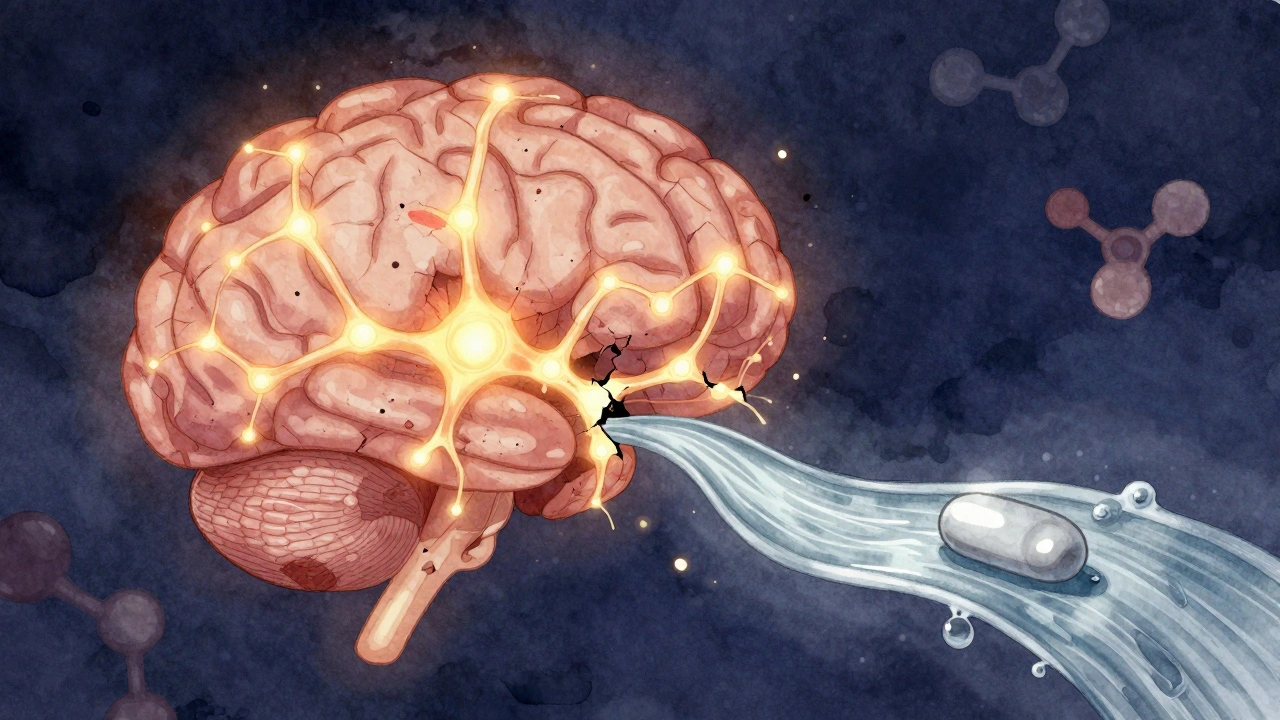
When we talk about neurodegeneration, the progressive loss of structure or function of neurons, including death of neurons. Also known as neuronal degeneration, it's not just getting older—it's when the brain's wiring starts to fray, leading to memory loss, movement problems, and eventually, loss of independence. This isn’t a single disease. It’s a process behind Alzheimer’s, Parkinson’s, ALS, and Huntington’s—each with different symptoms but the same root: brain cells dying faster than they can be replaced.
Medications can slow this down—or make it worse. Some drugs, like those for Parkinson’s, help replace lost chemicals in the brain. Others, like long-term use of anticholinergics or certain sleep aids, actually accelerate neurodegeneration by blocking signals neurons need to communicate. Studies show people on these drugs for years have a higher risk of dementia, even if they never had symptoms before. And it’s not just prescription meds—some supplements, herbal mixes, or even OTC painkillers taken daily can add up to hidden brain damage over time.
Neurodegeneration doesn’t happen overnight. It’s a quiet thief. You might notice trouble remembering names, slower movements, or feeling more tired than usual. But by the time it’s obvious, the damage is often advanced. That’s why knowing what to avoid matters as much as what to take. For example, if you’re on medication for high blood pressure, acid reflux, or allergies, ask your pharmacist: Could this be affecting my brain? Many people don’t realize their daily pill could be quietly harming their memory or coordination.
And it’s not just about drugs. Neurodegeneration is tied to how you live—sleep, diet, movement, and even social connection. But since most people are already on multiple medications, the real focus should be on what’s in your medicine cabinet. Some drugs protect your brain. Others? They’re like sand in the gears.
Below, you’ll find real, practical guides on how medications interact with brain health—what to watch for, what to question, and how to stay in control. From the hidden risks of common prescriptions to how to spot early signs of trouble, these posts give you the facts without the fluff. You’re not just reading about neurodegeneration—you’re learning how to protect yourself from it, one pill at a time.
9
Amyotrophic Lateral Sclerosis: How Riluzole Slows Neurodegeneration and Extends Life
Riluzole is the first and still most widely used drug for ALS, offering a modest but meaningful extension of life. Learn how it works, who benefits, and why it remains essential despite side effects and newer treatments.