Author: Robert Wakeling
17
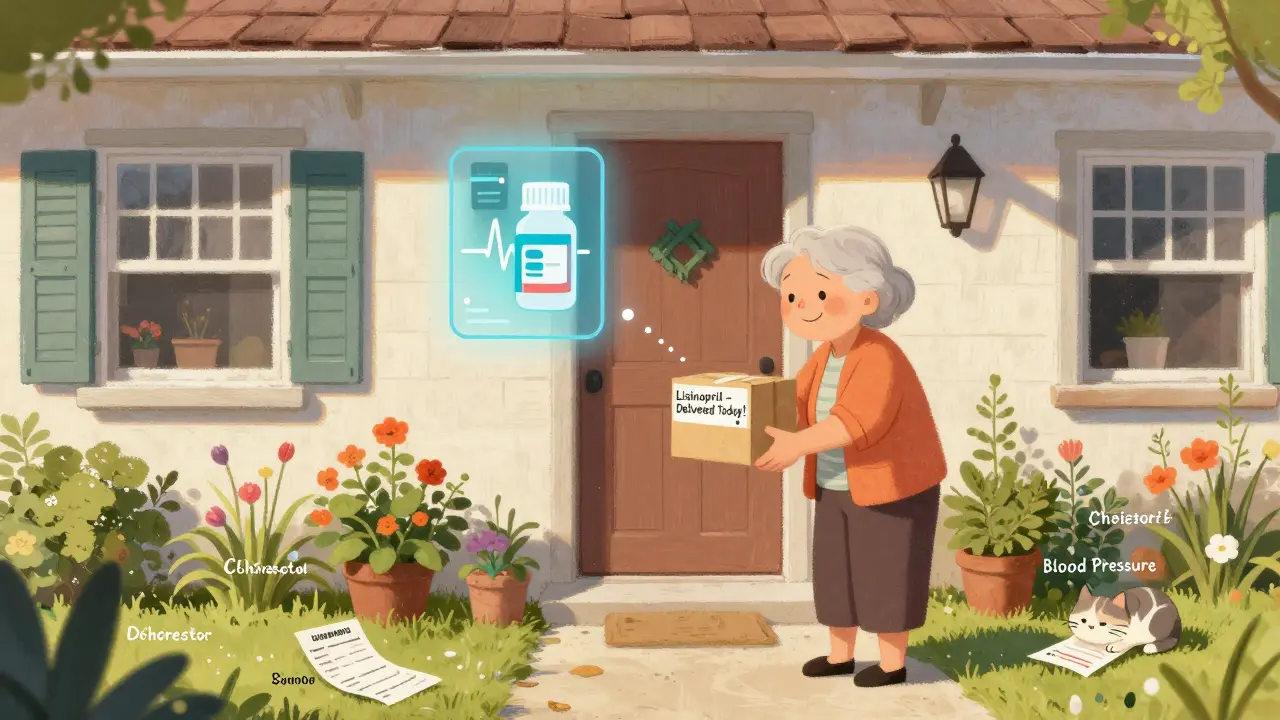
Future of Digital Pharmacy: Predictions for Generic Medication Delivery
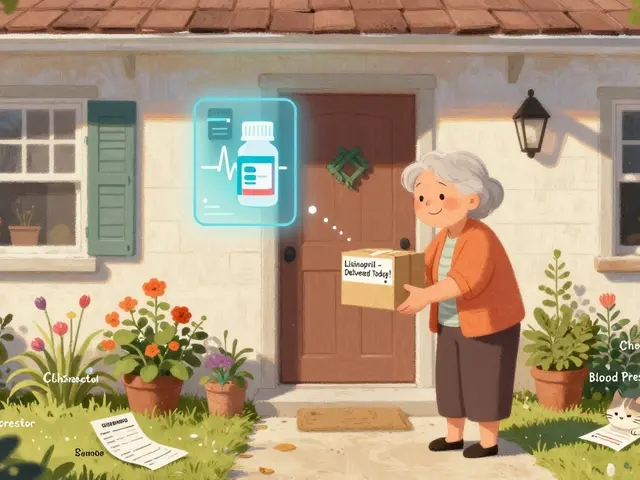
Digital pharmacy is transforming how Americans access generic medications, cutting costs and delivery times. By 2026, AI, automation, and telehealth will dominate - but challenges in oversight, accessibility, and regulation remain.
6
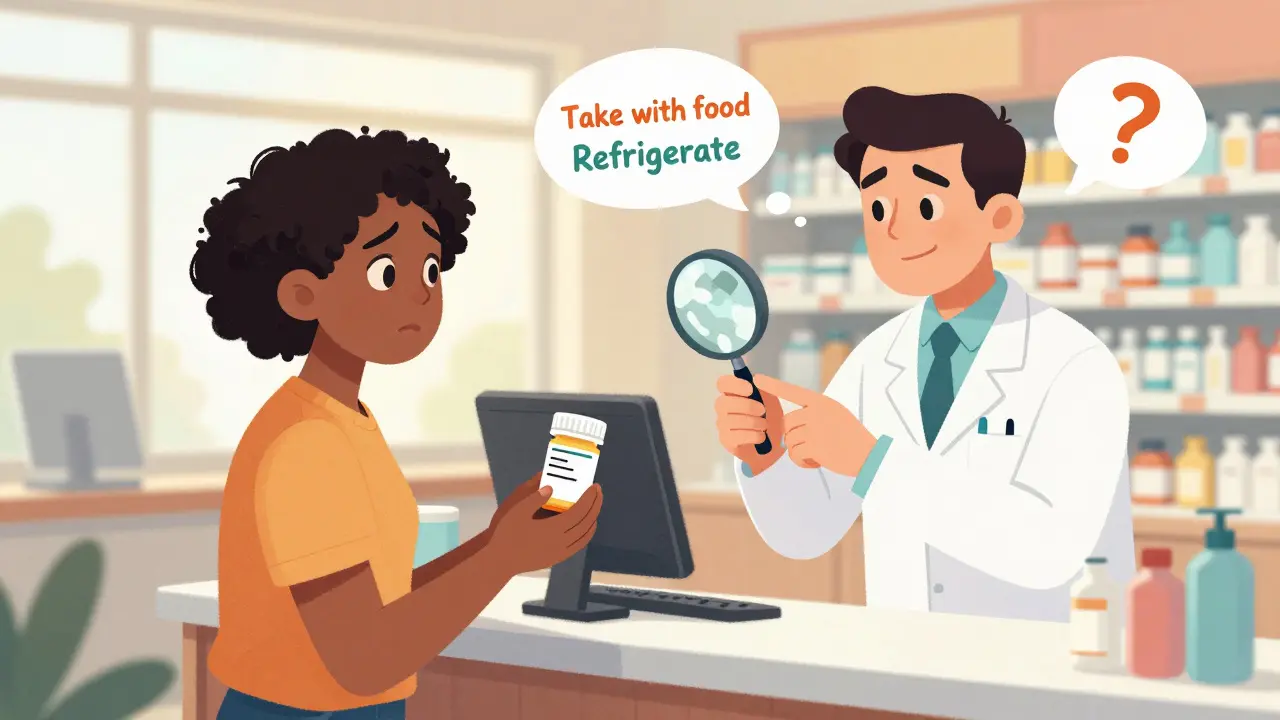
Questions to Ask About Your Prescription Label at the Pharmacy
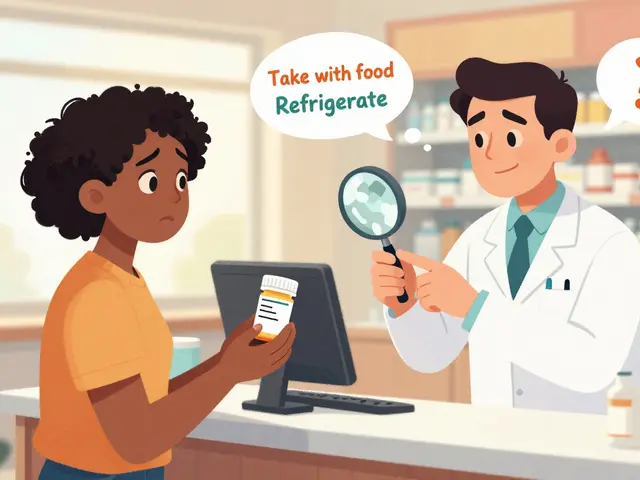
Knowing what to ask on your prescription label can prevent dangerous mistakes. Learn the 10 key questions every patient should ask at the pharmacy to stay safe and get the most from their medication.
5
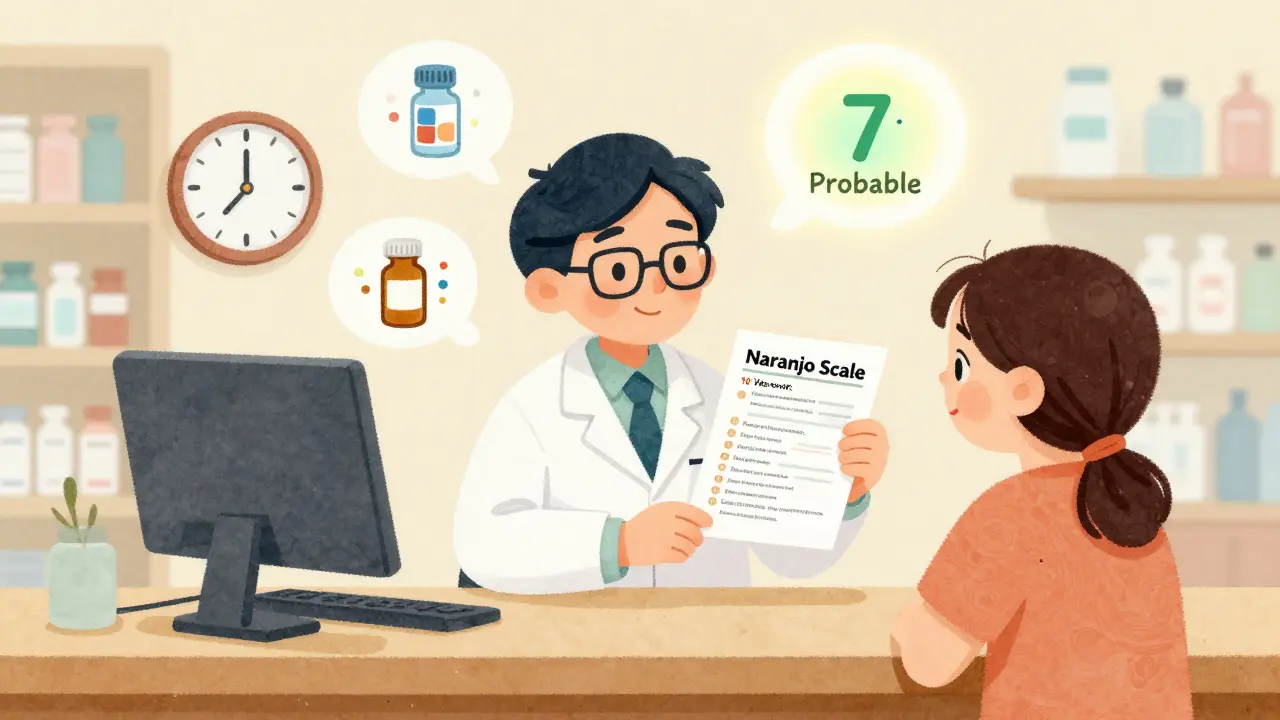
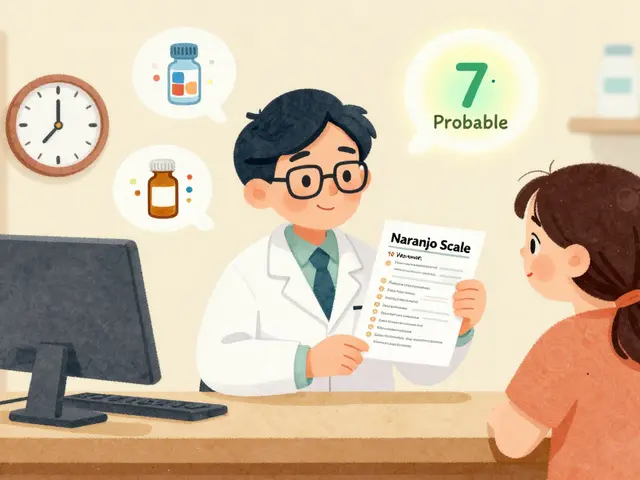
Causality Assessment for Adverse Drug Reactions: The Naranjo Scale Explained
The Naranjo Scale is a proven, 10-question tool used worldwide to determine if a side effect was caused by a medication. It's simple, objective, and still the most widely used method in drug safety monitoring today.
17
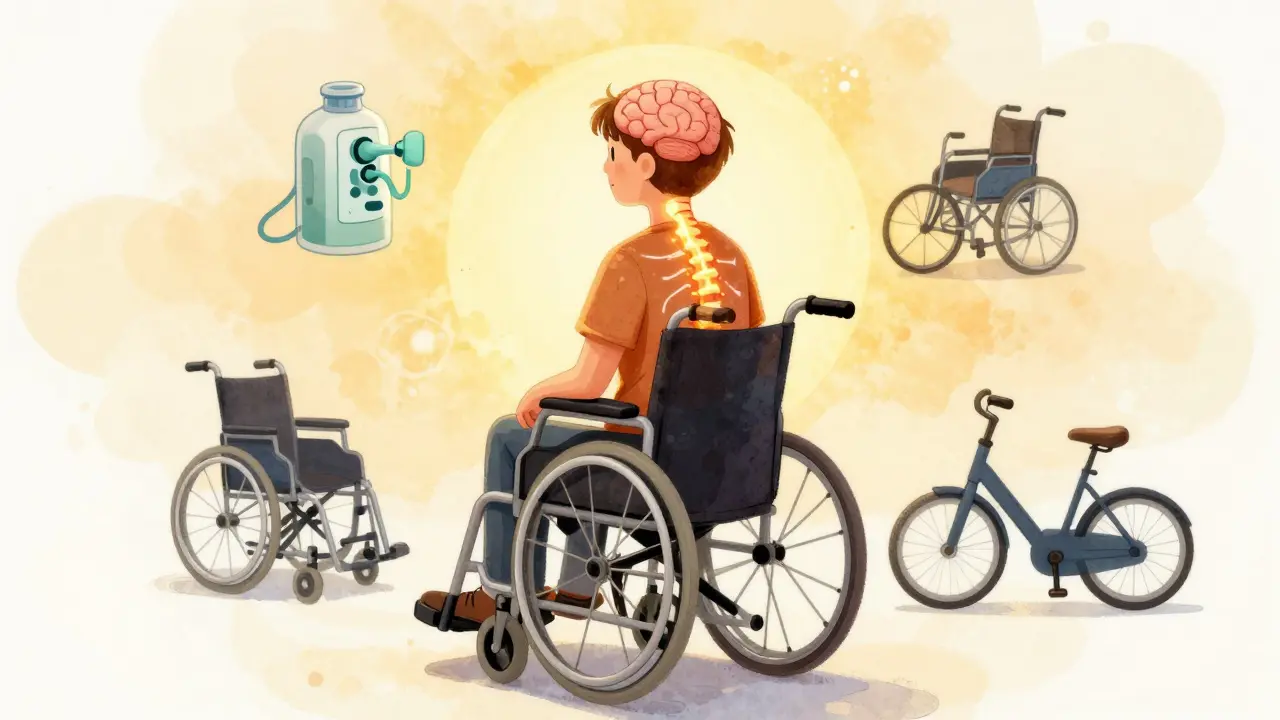
Spinal Cord Injury: Understanding Function Loss, Rehabilitation, and Assistive Devices
Spinal cord injury causes lasting changes in movement, sensation, and daily function. This guide explains how rehab and assistive devices help restore independence, manage complications, and improve quality of life after injury.
13
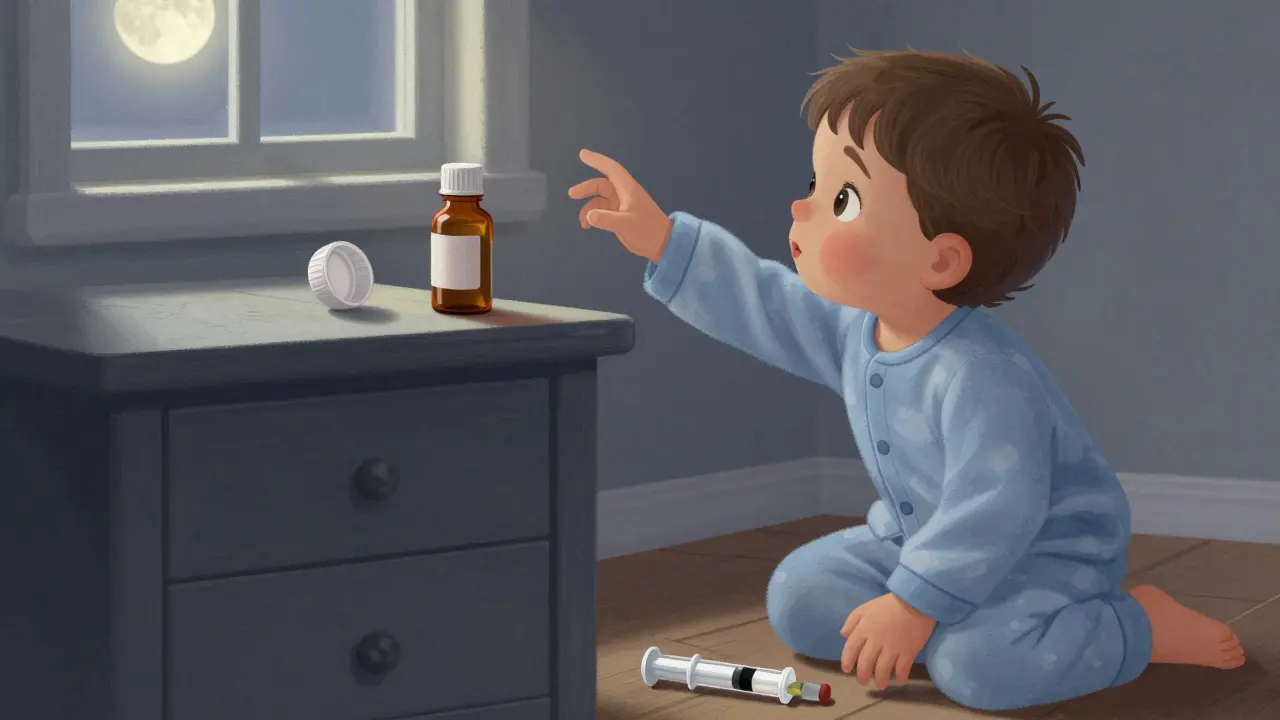
Accidental Pediatric Medication Overdose: How to Prevent It and What to Do If It Happens
Accidental pediatric medication overdoses are preventable. Learn how proper storage, dosing, and quick response can protect children under five from life-threatening mistakes.

5
Enteral Feeding Tube Medication Safety: Compatibility and Flushing Protocols Explained
Proper medication administration through enteral feeding tubes is critical for patient safety. Learn essential flushing protocols, compatibility checks, and common mistakes to avoid tube blockages and treatment failures. This guide covers practical steps for nurses and caregivers.
2
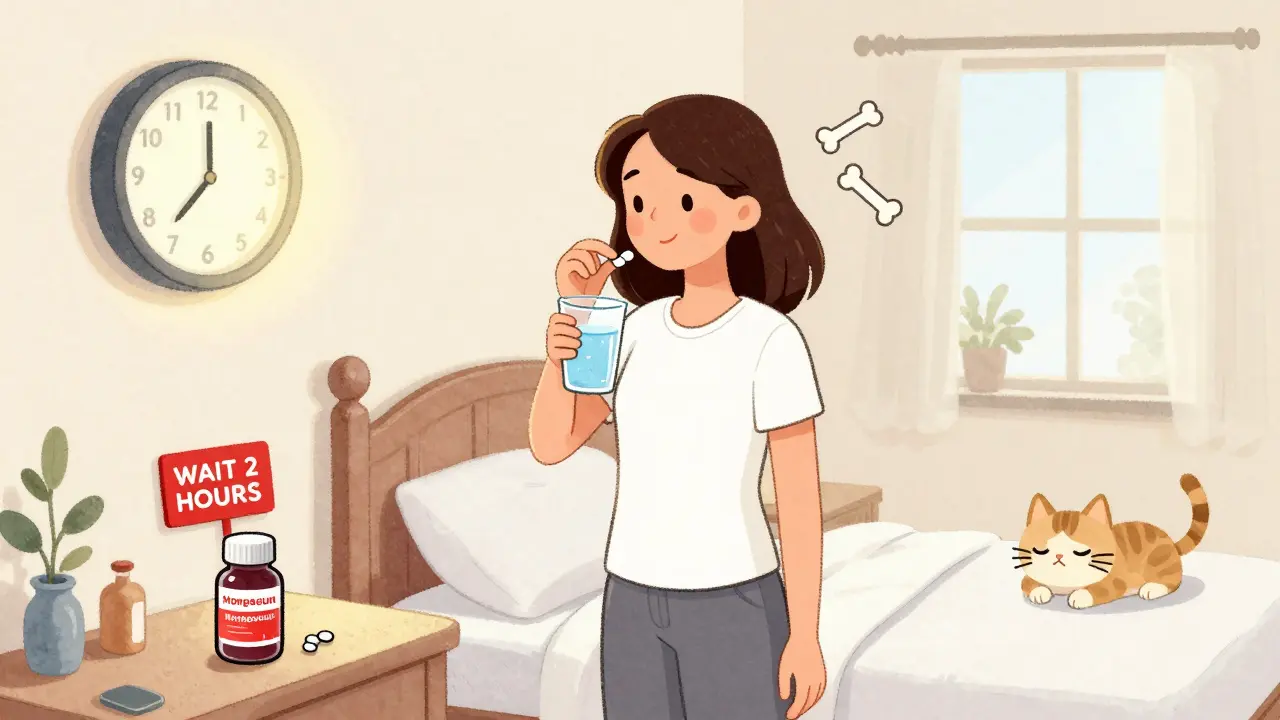
Magnesium Supplements and Osteoporosis Medications: What You Need to Know About Timing
Magnesium supplements can block the absorption of osteoporosis medications like Fosamax and Actonel. Learn the exact two-hour timing rule, hidden sources of magnesium, and how to avoid treatment failure.
1
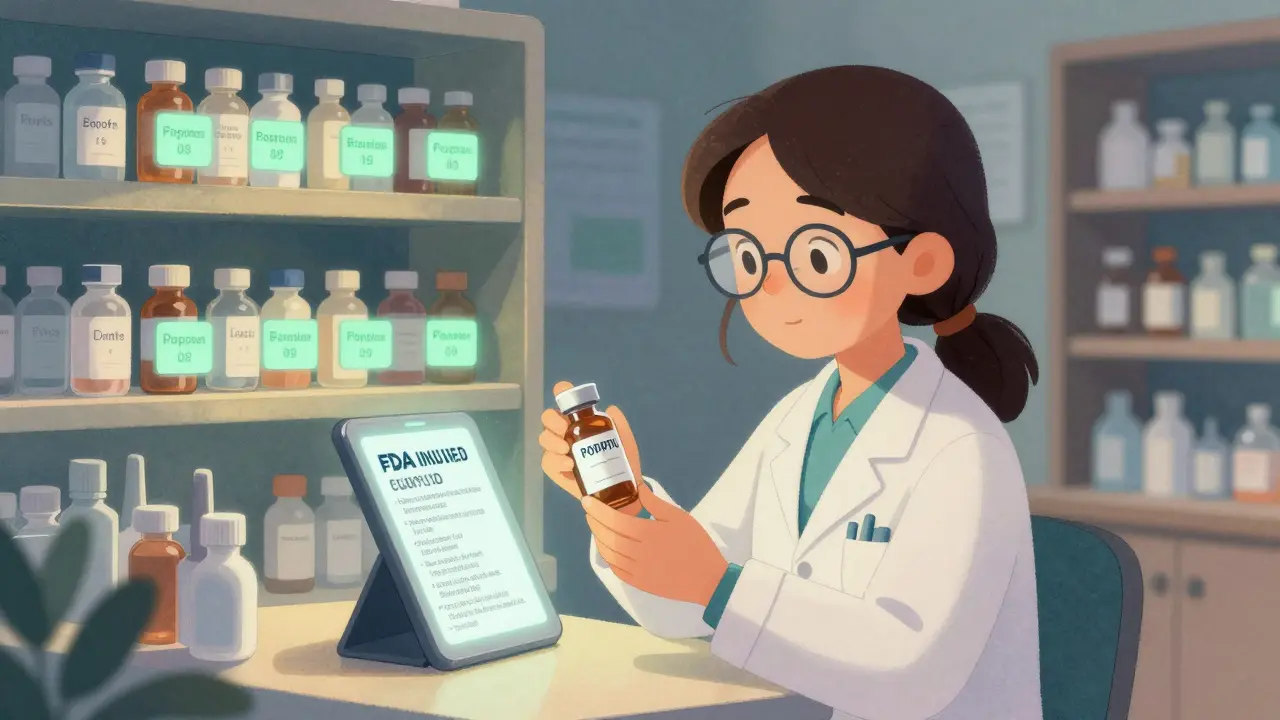
Extended Use Dates: How the FDA Extends Drug Expiration Dates During Shortages
The FDA extends expiration dates for critical drugs during shortages to keep hospitals stocked. Learn how it works, which drugs qualify, and what providers must do to use extended-date medications safely.
31
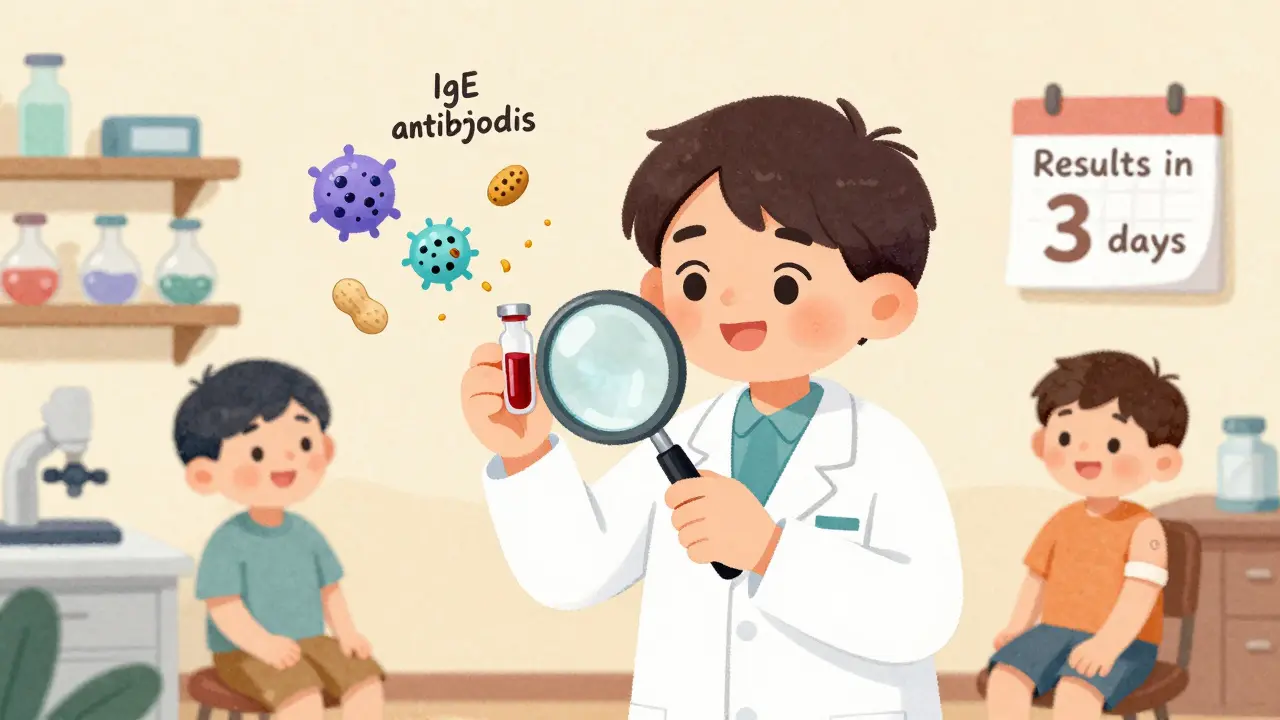
Specific IgE Testing: How to Identify Allergens and Understand Your Results
Specific IgE testing measures allergy antibodies in the blood to identify triggers like foods or pollen. Learn how results are interpreted, why skin tests are still preferred, and what tests to avoid for accurate diagnosis.
30
Personal Health Records: Managing Medications Across Pharmacies
Personal health records help you track all your medications across pharmacies, reducing errors and improving safety. Learn how to use systems like My Health Record and Apple Health to stay in control of your meds.
Latest Posts


Popular Posts
-
 Causality Assessment for Adverse Drug Reactions: The Naranjo Scale Explained
-
 Mandatory vs Permissive Substitution: Key State Law Differences in Pharmacy Practice
-
 Pharmacokinetic Studies: The Real Story Behind Generic Drug Equivalence
-
 Future of Digital Pharmacy: Predictions for Generic Medication Delivery
-
 Questions to Ask About Your Prescription Label at the Pharmacy