Category: Medicines and Treatments - Page 3
26
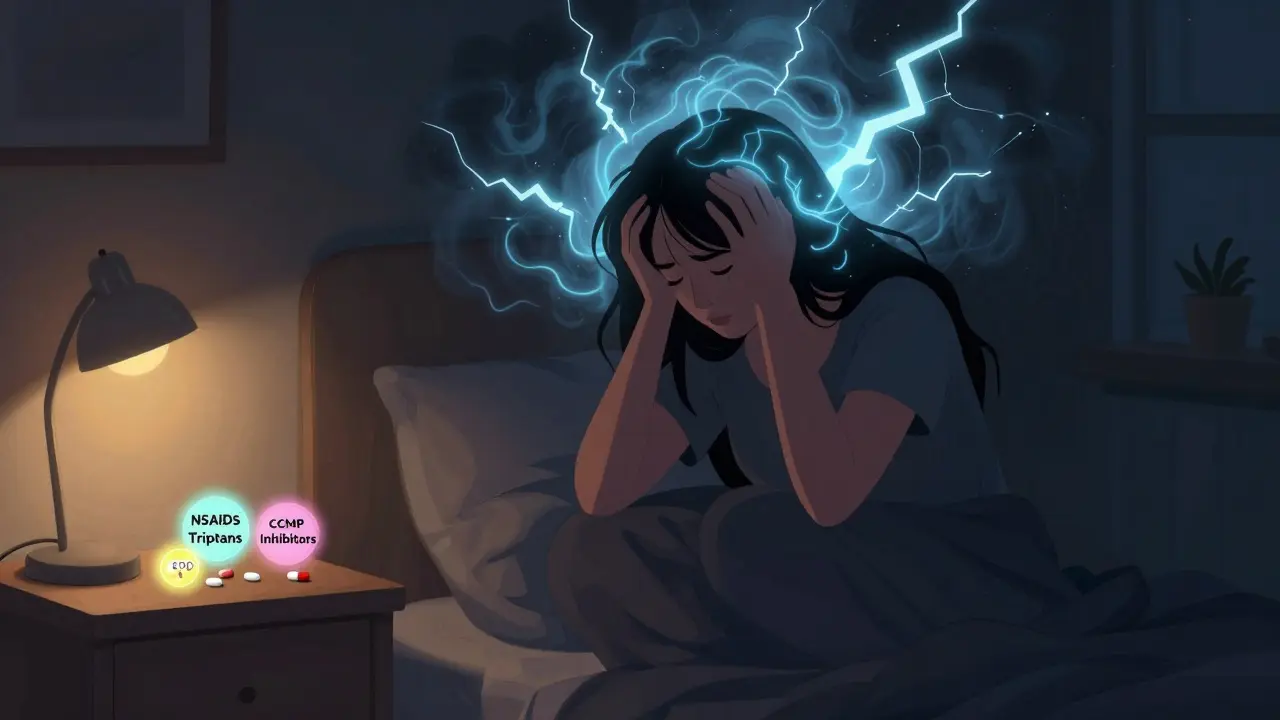
Migraine Medications: Preventive and Abortive Treatments for Chronic Headaches
Learn how abortive and preventive migraine medications work, including triptans, NSAIDs, and new CGRP inhibitors. Discover what actually helps chronic headaches-and what to avoid.
25
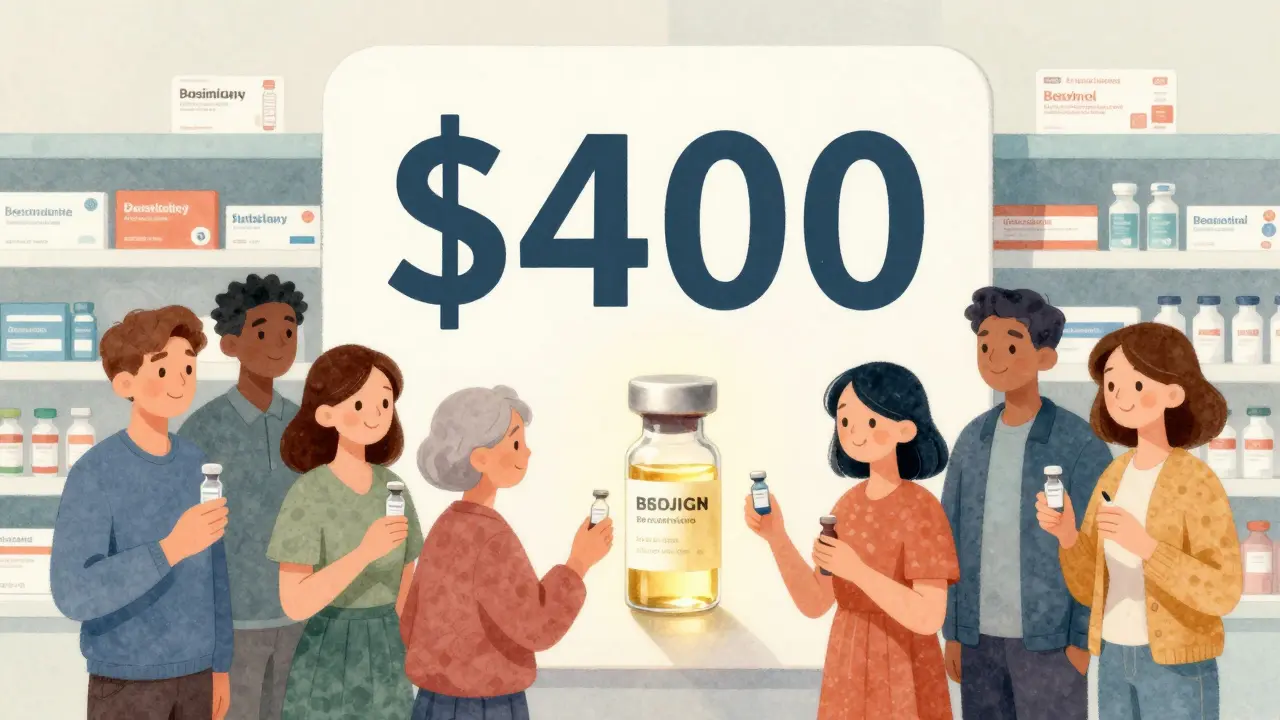
Insulin Biosimilars: What You Need to Know About Cost, Safety, and Market Options
Insulin biosimilars offer major cost savings and proven safety over branded insulins. Learn how they work, which ones are available, and how to switch safely to save money without risking your health.
24
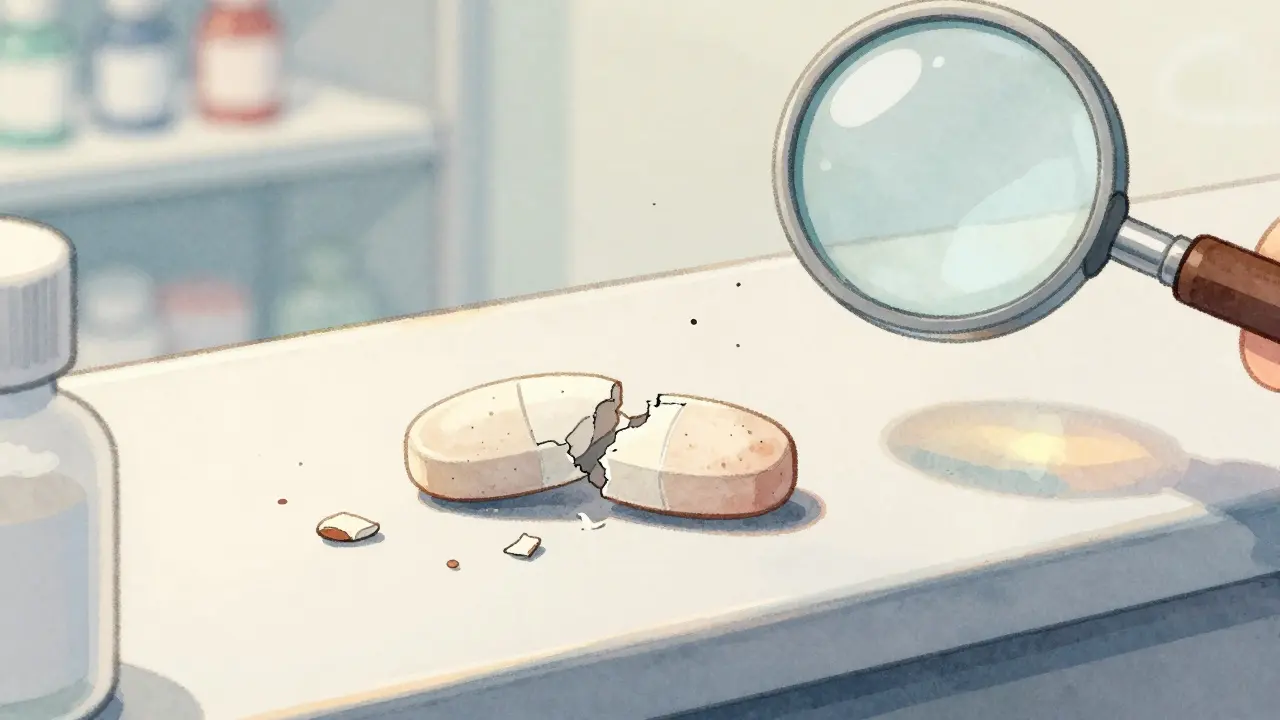
Common Manufacturing Defects in Generic Medicines and How They Affect Patient Safety
Generic drugs save money but often have manufacturing defects like capping, contamination, and inconsistent dosing. Learn how these issues affect safety, why they happen, and what patients can do.
23
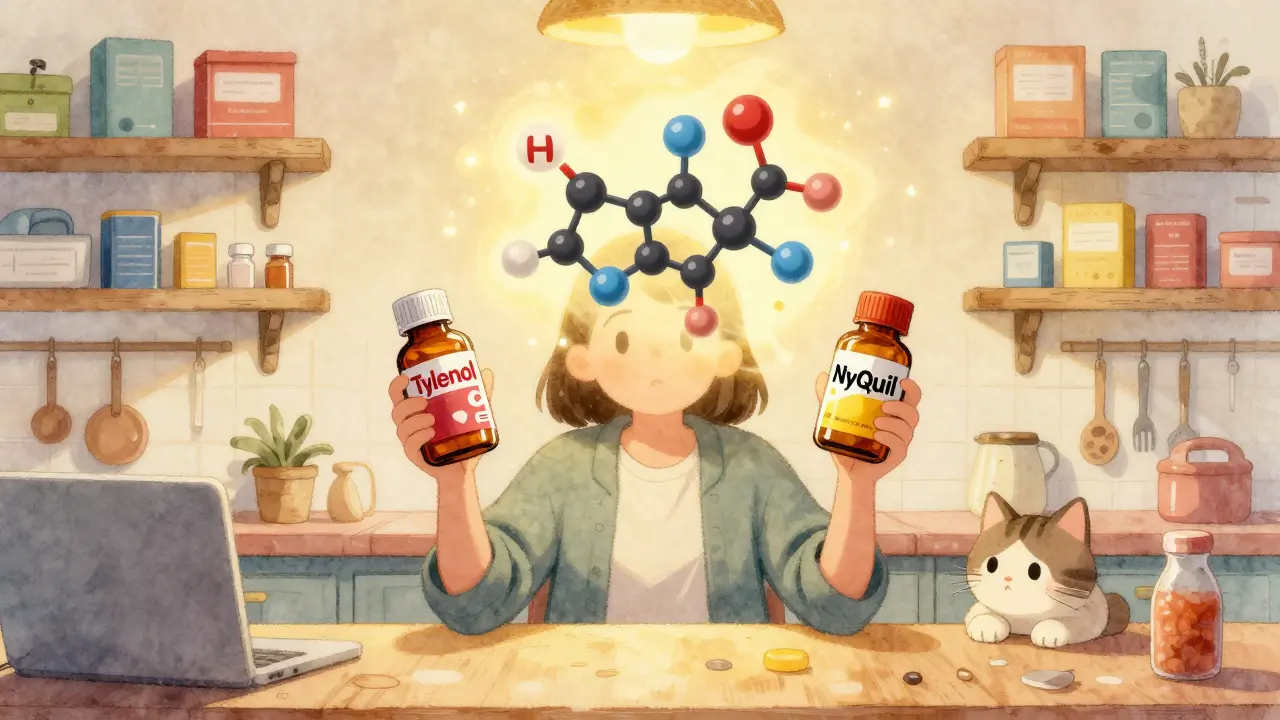
Active Ingredients in OTC Drugs Explained for Shoppers
Learn how to read OTC medicine labels to avoid dangerous mistakes. Understand active ingredients like acetaminophen and ibuprofen, why they matter, and how to prevent accidental overdoses.
21
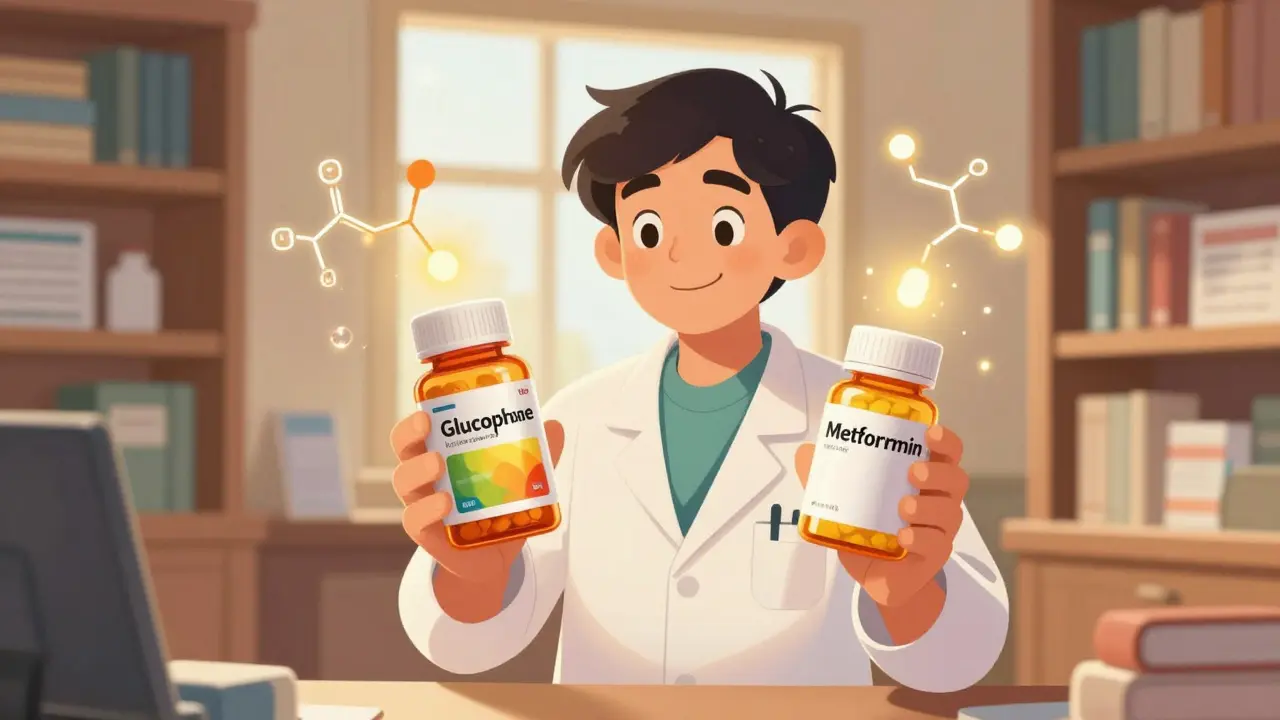
Generic vs Brand-Name Drugs: Key Differences Explained
Generic drugs are just as safe and effective as brand-name versions but cost up to 85% less. Learn how they're approved, when to choose them, and why most people see no difference in results.
20
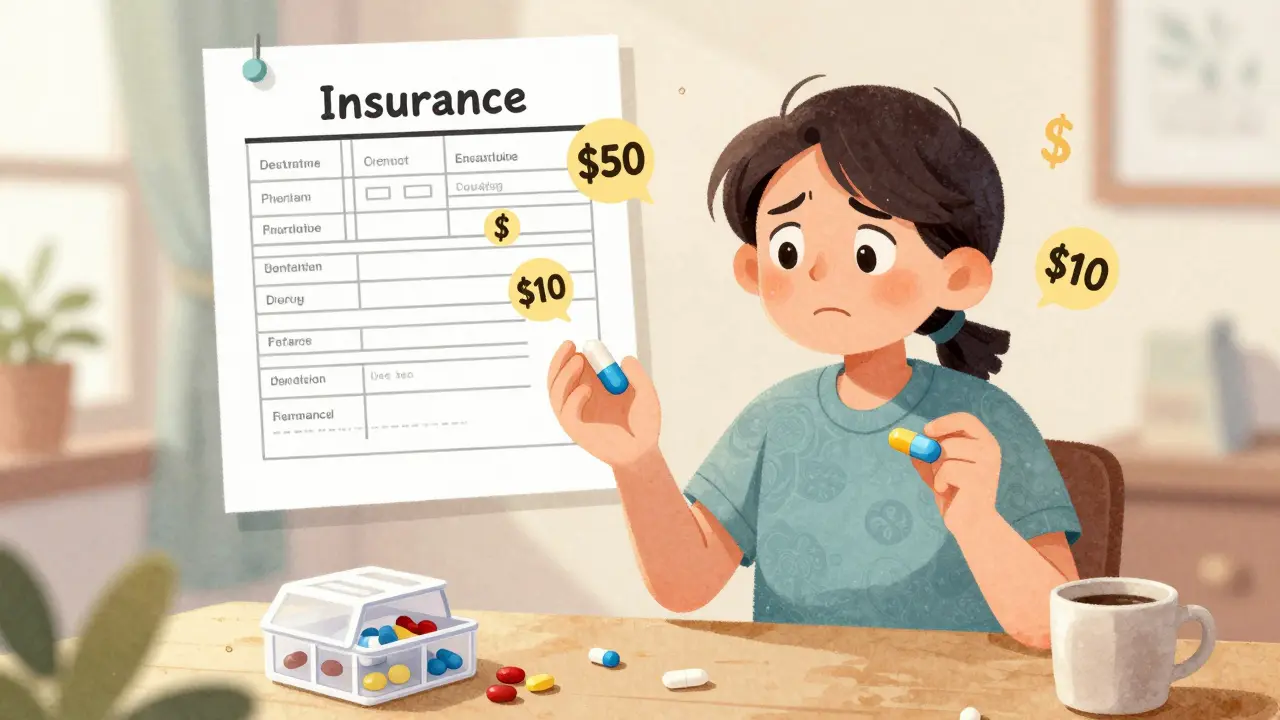
Insurance Coverage of Generic Combinations vs Individual Generics: What You Pay and Why
Understand how insurance covers generic combination pills versus separate generics, why prices differ, and how to save money on your prescriptions in 2025.
19
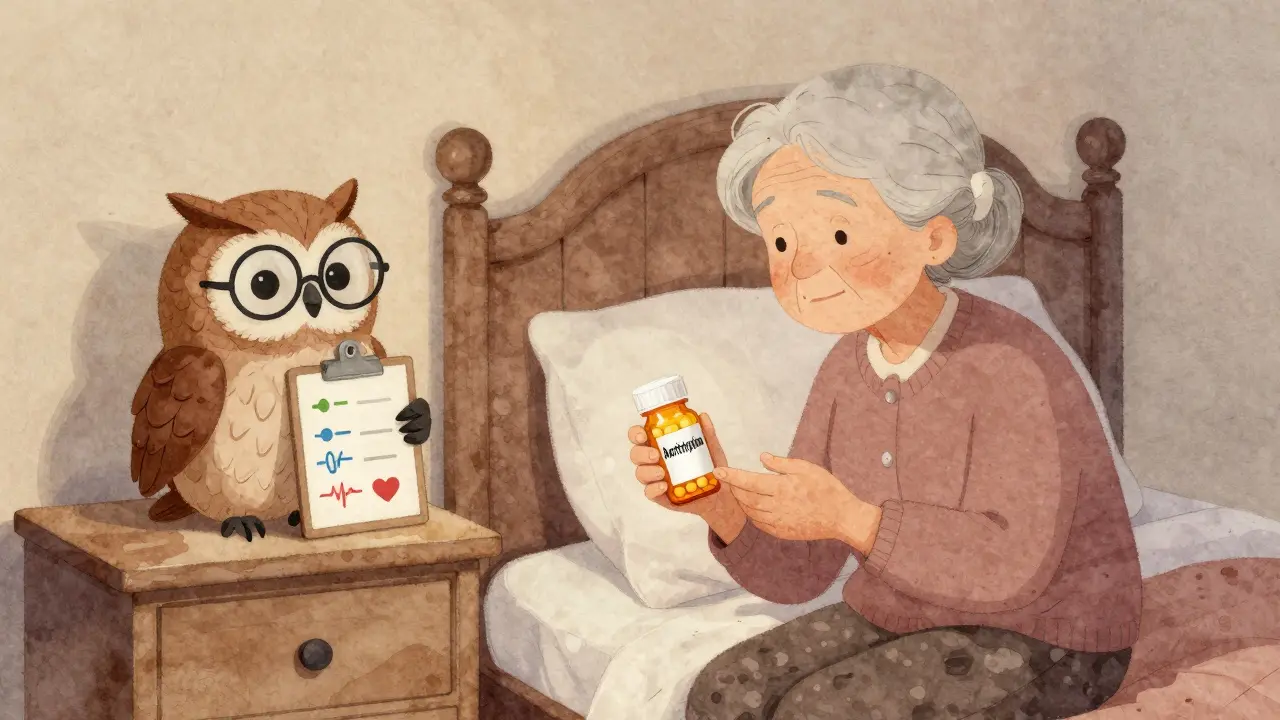
Tricyclic Antidepressant Side Effects: Amitriptyline, Nortriptyline, and Other TCAs Explained
Amitriptyline and nortriptyline are still used for depression and nerve pain, but they come with serious side effects like dry mouth, heart rhythm changes, and cognitive risks. Learn when they’re worth the risk and how to stay safe.
17
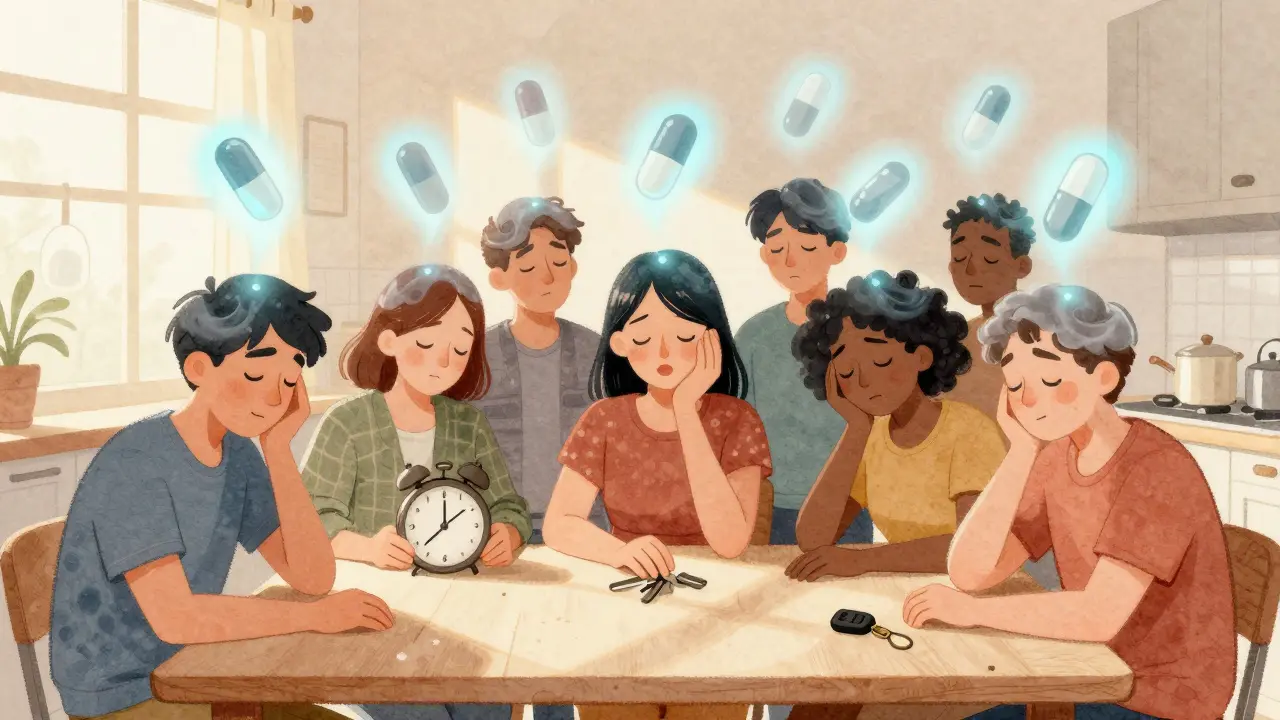
Medication-Induced Drowsiness: What Causes It and How to Manage It
Medication-induced drowsiness affects 1 in 5 adults and can be caused by common drugs like antihistamines, antidepressants, and painkillers. Learn what causes it, how to manage it safely, and when to talk to your doctor.
16
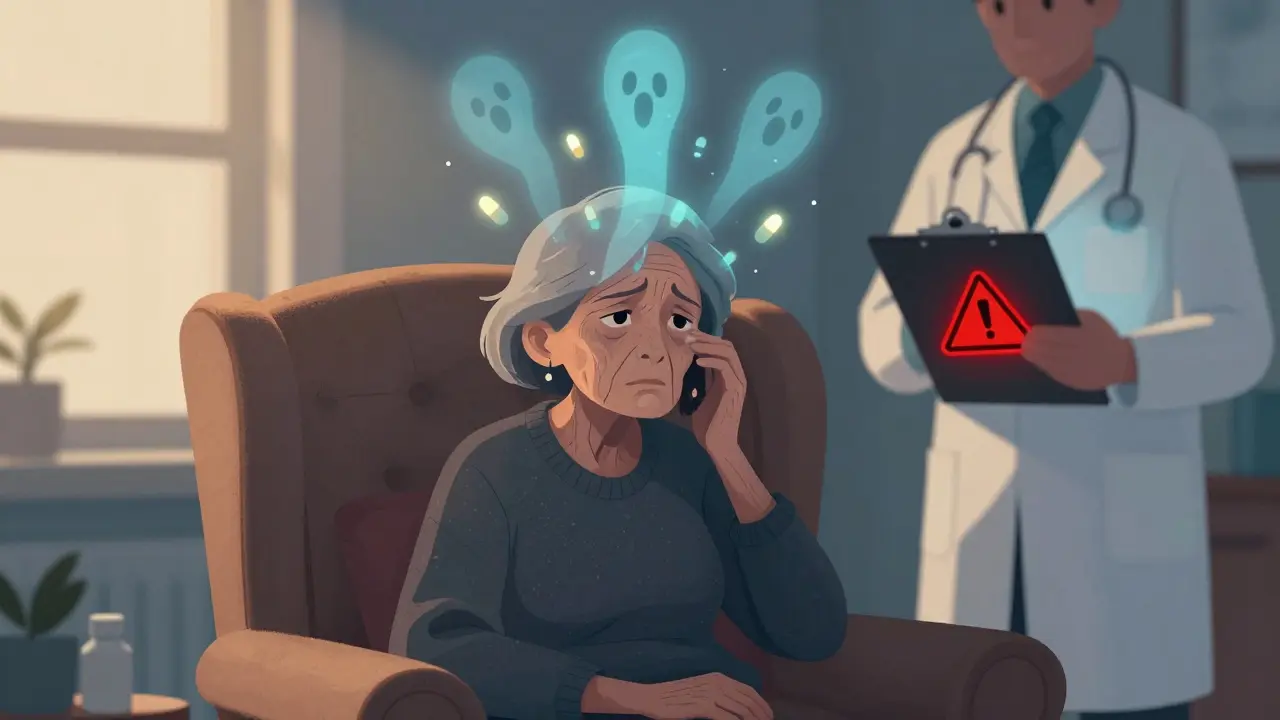
Antipsychotics and Stroke Risk in Seniors with Dementia: What You Need to Know
Antipsychotics are commonly prescribed for dementia-related behaviors, but they increase stroke risk by up to 80% and raise death rates by 60-70%. Learn why these drugs are dangerous and what safer alternatives exist.
15
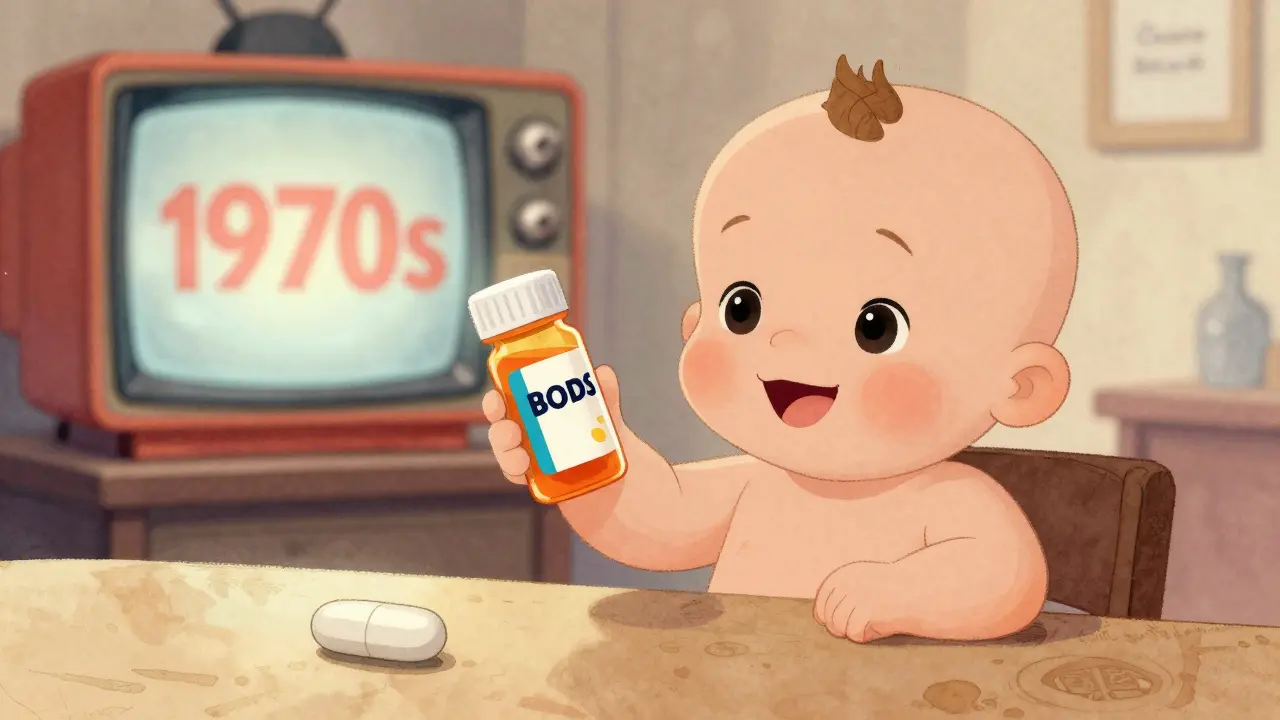
Generational Differences: How Age Shapes Attitudes Toward Generic Medications
Generational attitudes toward generic medications vary widely, shaped by advertising, experience, and health literacy. Boomers trust brands, Gen Z trusts data, and everyone needs clear, age-appropriate information to make safe, affordable choices.