Author: Robert Wakeling - Page 3
4
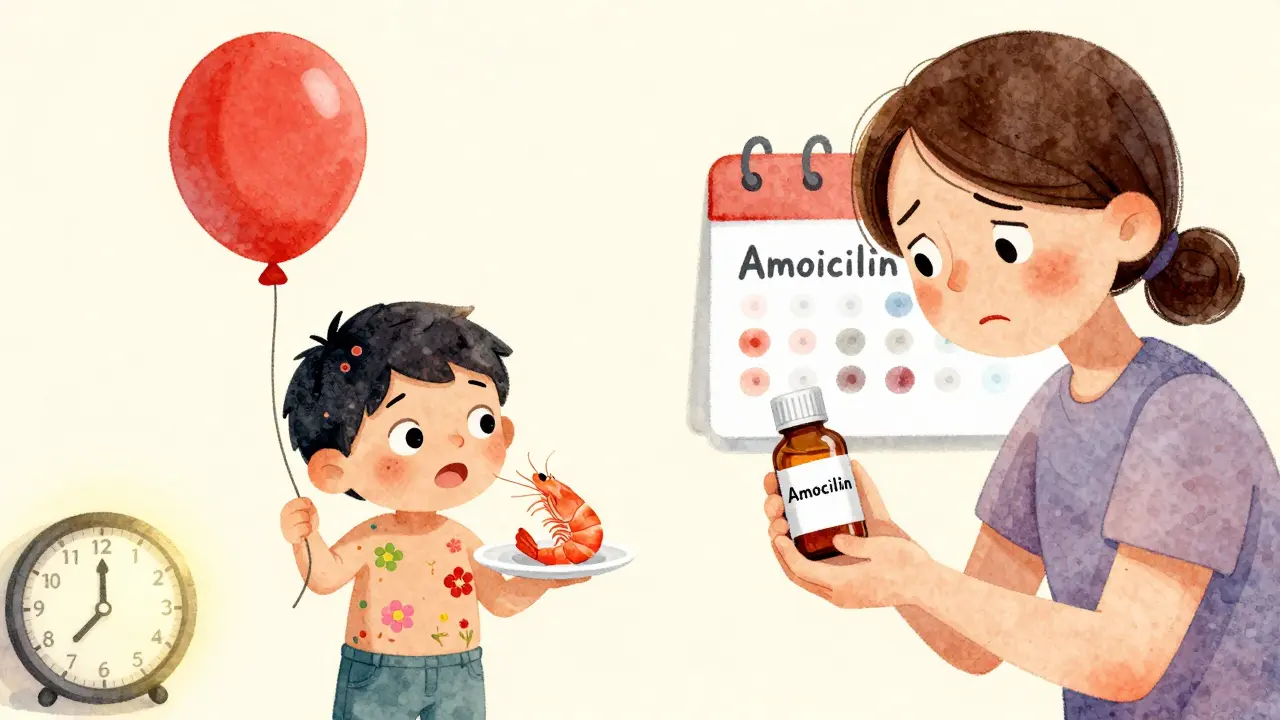
How to Tell Food Allergies Apart from Medication Allergies
Learn how to tell the difference between food and medication allergies based on symptoms, timing, and testing. Avoid misdiagnosis that can lead to dangerous health risks or unnecessary drug avoidance.
3
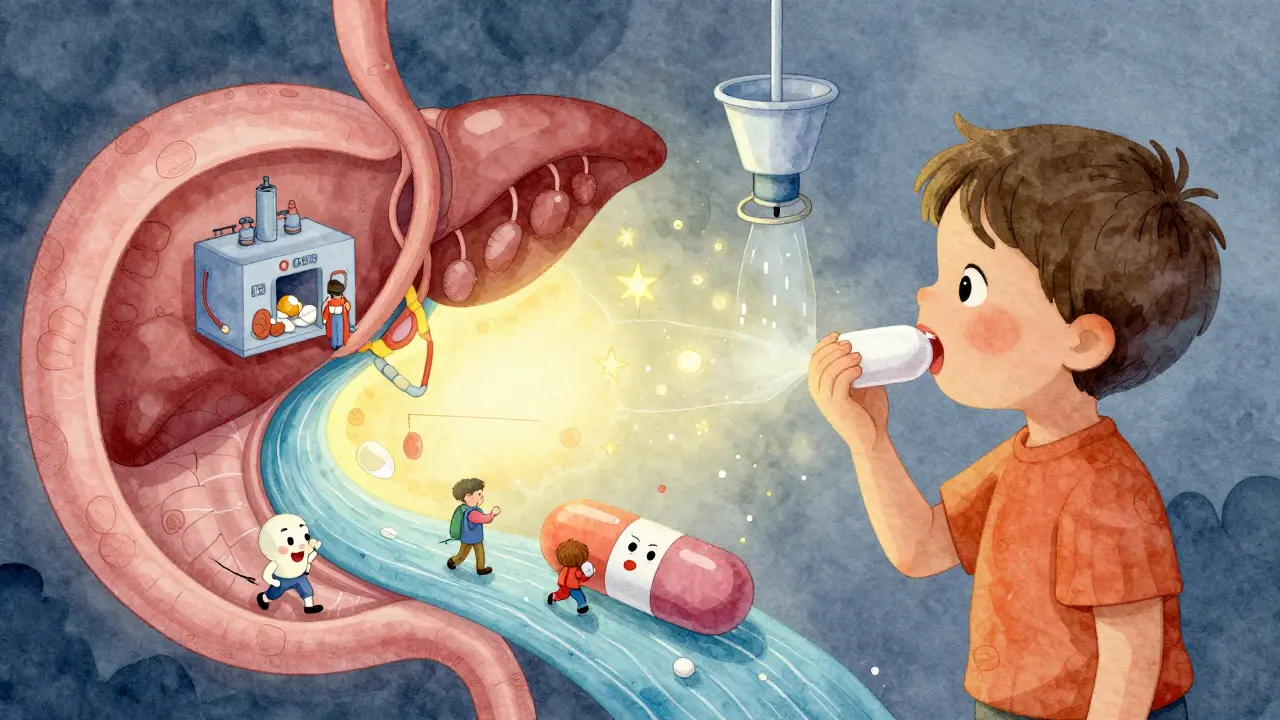
Pharmacokinetics and Side Effects: How Your Body Processes Drugs
Learn how your body absorbs, metabolizes, and eliminates drugs-and why that affects side effects. Discover how genetics, age, and other medications shape your response to treatment.

30
Specialty Prescribing: Why Specialists Often Choose Brand-Name Drugs Over Generics
Specialists often choose brand-name drugs over generics due to clinical necessity, administrative barriers, and hidden PBM markups. Despite high costs, these drugs are critical for treating complex conditions-and switching isn't always safe.
26
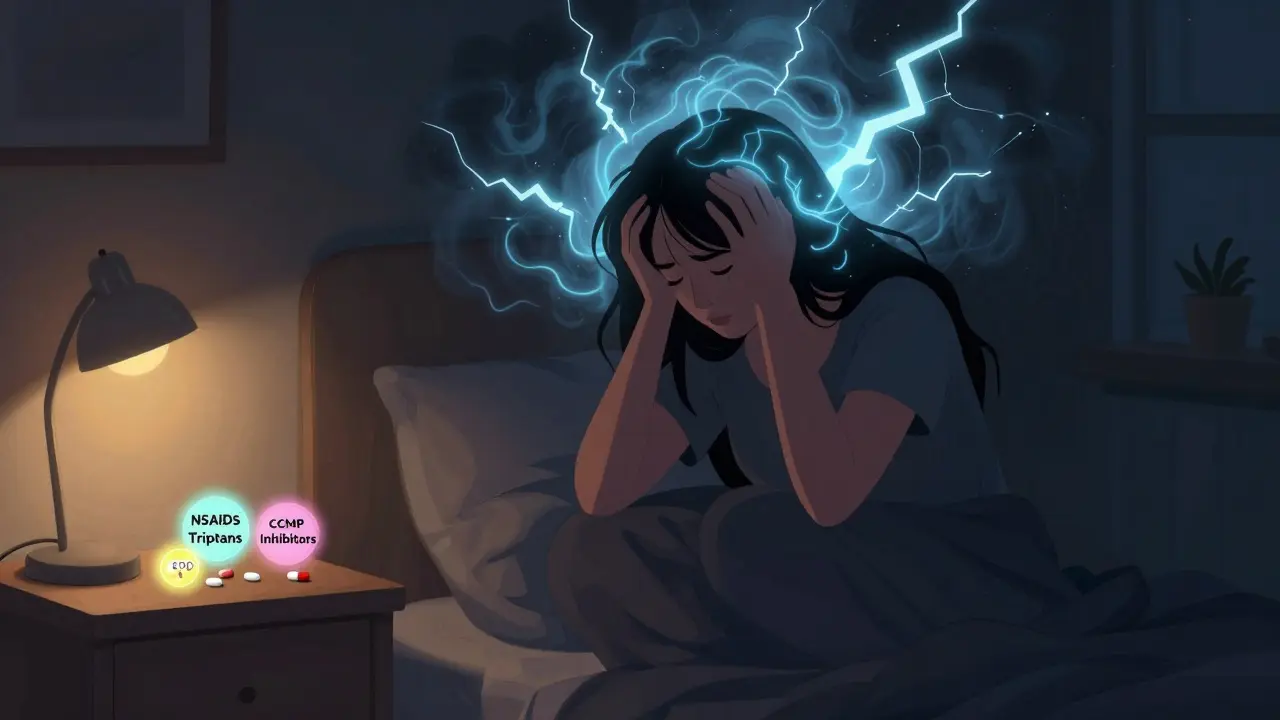
Migraine Medications: Preventive and Abortive Treatments for Chronic Headaches
Learn how abortive and preventive migraine medications work, including triptans, NSAIDs, and new CGRP inhibitors. Discover what actually helps chronic headaches-and what to avoid.

22
Fracture Prevention: How Calcium, Vitamin D, and Bone-Building Medications Really Work
Calcium and vitamin D alone won't prevent fractures unless you're deficient. Learn the real doses that work, when bone-building medications are needed, and how to avoid common mistakes that reduce effectiveness.

21
Generic vs Brand-Name Drugs: Key Differences Explained
Generic drugs are just as safe and effective as brand-name versions but cost up to 85% less. Learn how they're approved, when to choose them, and why most people see no difference in results.
20
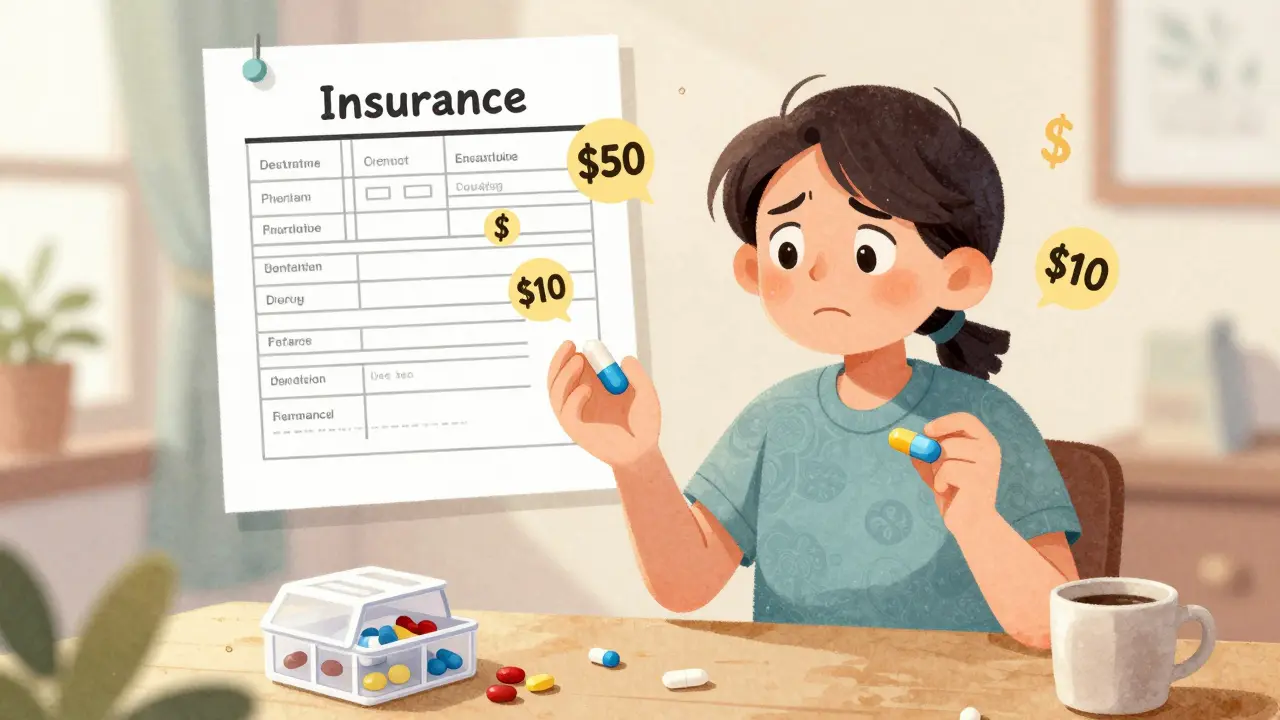
Insurance Coverage of Generic Combinations vs Individual Generics: What You Pay and Why
Understand how insurance covers generic combination pills versus separate generics, why prices differ, and how to save money on your prescriptions in 2025.

18
Shift Work Sleep Disorder: How to Manage Night Shifts and Get Real Sleep
Shift Work Sleep Disorder is a real condition affecting millions of night and rotating shift workers. Learn how light, melatonin, naps, and sleep hygiene can help you manage fatigue, improve sleep, and protect your health.
17
Medication-Induced Drowsiness: What Causes It and How to Manage It
Medication-induced drowsiness affects 1 in 5 adults and can be caused by common drugs like antihistamines, antidepressants, and painkillers. Learn what causes it, how to manage it safely, and when to talk to your doctor.
16
Antipsychotics and Stroke Risk in Seniors with Dementia: What You Need to Know
Antipsychotics are commonly prescribed for dementia-related behaviors, but they increase stroke risk by up to 80% and raise death rates by 60-70%. Learn why these drugs are dangerous and what safer alternatives exist.
Latest Posts

Popular Posts
-
 Causality Assessment for Adverse Drug Reactions: The Naranjo Scale Explained
-
 Mandatory vs Permissive Substitution: Key State Law Differences in Pharmacy Practice
-
 Questions to Ask About Your Prescription Label at the Pharmacy
-
 Pharmacokinetic Studies: The Real Story Behind Generic Drug Equivalence
-
 Future of Digital Pharmacy: Predictions for Generic Medication Delivery